
Last updated November 22, 2026
 Sweep & inspection
 Caps & crowns
 Flue relining
 Masonry repair
 Gas fireplace service
Level 1 sweep and inspection to the NFPA 211 annual standard - flue, crown, cap, and flashing checked and photographed
Chimney sweep logs do not sweep chimneys. They loosen some creosote - which then falls where a brush and vacuum still have to collect it.
Chimney Sweep Maintenance Checklist for Elmhurst Homeowners
The number one maintenance mistake Elmhurst homeowners make isn’t skipping the annual sweep. It’s treating that sweep as a substitute for the nine other checks the chimney system needs throughout the year. A sweep cleans the flue. It doesn’t tell you your crown has a hairline crack, your damper is leaking warm air all winter, or your flashing pulled loose after a freeze. This guide is a task-by-task protocol built for the brick chimneys, dense attached housing, and four-season weather that define Elmhurst. You’ll learn what to check each month, which tasks you can safely do yourself, which belong to a specialist, and how to log it all so your service history holds up at resale.
Quick Answer
A safe chimney in Elmhurst needs a professional sweep and inspection once a year, plus monthly visual checks you can do yourself: look for spalling brick, receding mortar joints, crown cracks, a loose damper seal, and water staining. Book the professional sweep before the heating season starts, keep a written log of every service and observation, and call a specialist the moment you see structural movement, rust, or heavy creosote. Our technicians have up to 9 years of experience reading exactly these failure patterns on Elmhurst’s older masonry chimneys.
Styles & brands we work with
- Sweep & inspection
- Caps & crowns
- Flue relining
- Masonry repair
- Gas fireplace service
Table of Contents
- Why an Elmhurst Chimney Needs a Checklist, Not Just a Sweep
- Month-by-Month Task Breakdown
- Owner Checks vs. Professional Tasks
- Inspecting Older Brick Chimneys: Spalling, Mortar, and Crown
- The Damper-Seal Test You Can Do at Home
- Flashing Inspection for Flat and Low-Pitch Roofs
- Building a Service History Log
- When to Call a Professional
Why an Elmhurst Chimney Needs a Checklist, Not Just a Sweep
Elmhurst’s housing stock is one reason. A lot of homes here were built with solid masonry chimneys that have spent decades cycling through hot summers and cold, wet winters. That cycle is what drives the damage: brick absorbs moisture, then a freeze expands that moisture and pops the face off the brick. This is spalling, and it’s one of the most common things we see on older Elmhurst chimneys. A sweep won’t catch it. A checklist will.
The second reason is density. Elmhurst has a large share of attached homes, semi-attached rowhouses, and low-pitch or flat roof sections. Tight rooflines mean flashing and crown details take more abuse and get less visual attention from the ground. Where one chimney sits close to a neighbor’s, water and debris collect in ways a detached single-family lot never sees. The checklist accounts for that.
The third reason is air quality. Urban air carries fine particulate that settles on masonry surfaces and combines with moisture to accelerate surface deterioration. It won’t destroy a sound chimney, but it makes regular cleaning of the exterior and cap more important than it is in open country.
So the annual chimney sweep stays at the center of the plan. It’s just one task in a yearlong protocol that protects the flue, the masonry, the firebox, and the roof connection as one integrated system. From the crown down to the firebox, every part of it deserves a scheduled look.
Month-by-Month Task Breakdown
Here’s the protocol we recommend to Elmhurst homeowners who use their fireplace regularly. Owner tasks are quick visual checks. Professional tasks are the ones that need a trained eye, proper tools, and the ability to safely reach and inspect the flue. We mark each.
- January (owner): Mid-season check. Look up the flue from the firebox with a flashlight for heavy soot or creosote buildup. Confirm the damper opens and closes fully. Note any new draft problems or smoke spillage.
- February (owner): Exterior walk-around. From the ground, check the chimney top for a missing or damaged cap and look for new staining on the brick.
- March (owner): End-of-season shut-down. Close the damper, clean out ash, and note anything that felt off during the winter for the spring inspection.
- April (professional): Spring inspection. This is the ideal time for a full inspection and any chimney repair, because the freeze-thaw season has just ended and any winter damage is visible before it spreads.
- May (owner): Roof-edge check. If you can safely see your roof from a window or the ground, look at the flashing and crown for cracks, gaps, or lifted edges.
- June (professional if needed): Crown and cap servicing. If the spring inspection flagged crown cracks or a failing chimney cap & crown, schedule the repair now, not in the fall rush.
- July (owner): Interior firebox check. Look for loose or crumbling mortar in the firebox joints and any rust on the damper or grate.
- August (owner): Pre-season prep. Confirm your chimney brush and ash tools are in good shape, and review last year’s log for open items.
- September (professional): Pre-heating-season sweep. Book the annual sweep before the first fire. This is the busiest month, so schedule early.
- October (owner): Post-sweep confirmation. After the sweep, recheck the damper seal and note the date and any findings in your log.
- November (owner): First-fire check. On the first burn of the season, watch for smoke backing into the room, which signals a draft or blockage problem.
- December (owner): Peak-season visual. Check the exterior for new staining or spalling after the first hard freeze, and keep the firebox clear of ash buildup.
The point of the schedule isn’t ceremony. It’s that each month catches a different failure before it turns into a repair. A crown crack found in May is a small fix. The same crack found after a winter of water intrusion is masonry work.
Owner Checks vs. Professional Tasks
Knowing which tasks are yours and which need a specialist keeps you safe and keeps your chimney sound. Most of the monthly checklist is visual: you’re looking, noting, and logging. The dangerous and technical work belongs to a trained professional.
Tasks you can safely do yourself:
- Visual inspection of the firebox interior from the hearth, with a flashlight.
- Operating the damper to confirm it opens and closes fully.
- Ground-level exterior look at the cap, crown, brick faces, and roof edge.
- Confirming the damper seal with the simple test described further down.
- Keeping the firebox and ash pit clear and noting any new stains or smells.
- Maintaining your written service log.
Tasks that require a professional:
- Cleaning the flue. Proper sweeping needs the right brushes, rod length, and safe roof access.
- Climbing onto the roof to inspect the crown, flashing, and cap up close.
- Any repair to compromised flue interiors, which can require resurfacing with a product like HeatShield ceramic.
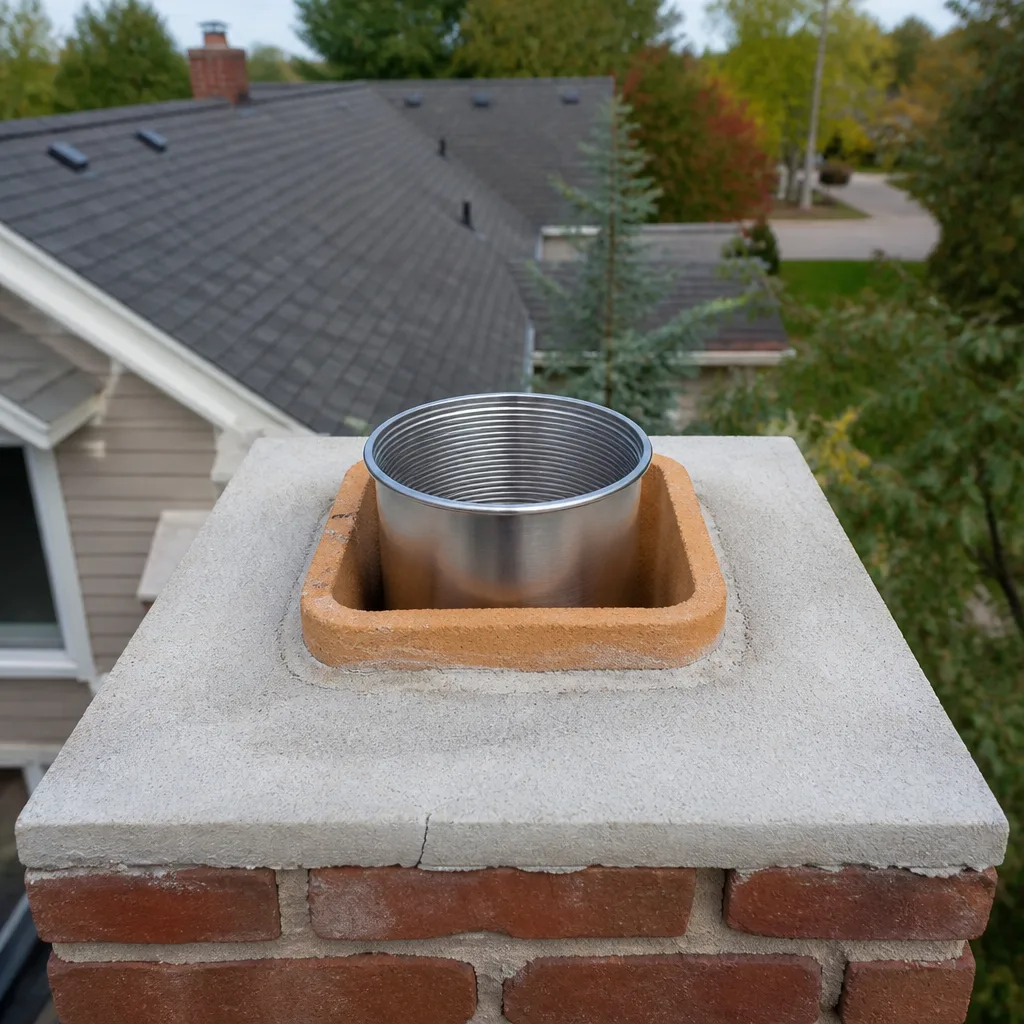
- Liner evaluation and relining with a system like DuraFlex.
- Crown and cap replacement using components built for chimney applications, such as those from Gelco, Famco, or Olympia Chimney.
- Diagnosing draft, smoke, or carbon monoxide concerns.
One important safety note: never try to inspect or work inside the flue yourself, and never climb a steep or wet roof to check the crown. Fall risk and confined-space hazard are real. A trained technician has the tools and the practice to do this safely. When it’s a general how-to question versus a “get on the roof” task, that line is clear.
Inspecting Older Brick Chimneys: Spalling, Mortar, and Crown
Elmhurst’s older brick chimneys show a predictable pattern of wear, and once you know what to look for, you can spot the early signs from the ground. This is the section to read twice.
Spalling. Spalling is when the face of a brick flakes off or crumbles, leaving a rough, pitted surface. It happens when moisture gets into the brick and freezes, and it shows up most on the weather-facing side of the chimney. A little surface flaking on a few bricks is a watch item. Deep, widespread spalling means the brick has lost its protective skin and will keep absorbing water faster. That’s a repair conversation, and it’s one a specialist should have with you before it reaches the inner wythe.
Mortar joint recession. Look at the horizontal and vertical mortar lines between the bricks. Sound mortar sits nearly flush with the brick face. Recession means the mortar has worn back, and the deeper the joint, the more the brick is exposed. As a rule of thumb, mortar that has receded significantly below the brick face warrants a professional look; tuckpointing restores the joint and keeps water out. Widespread deep recession on an Elmhurst chimney is common on the older stock, and it’s fixable when it’s caught early.
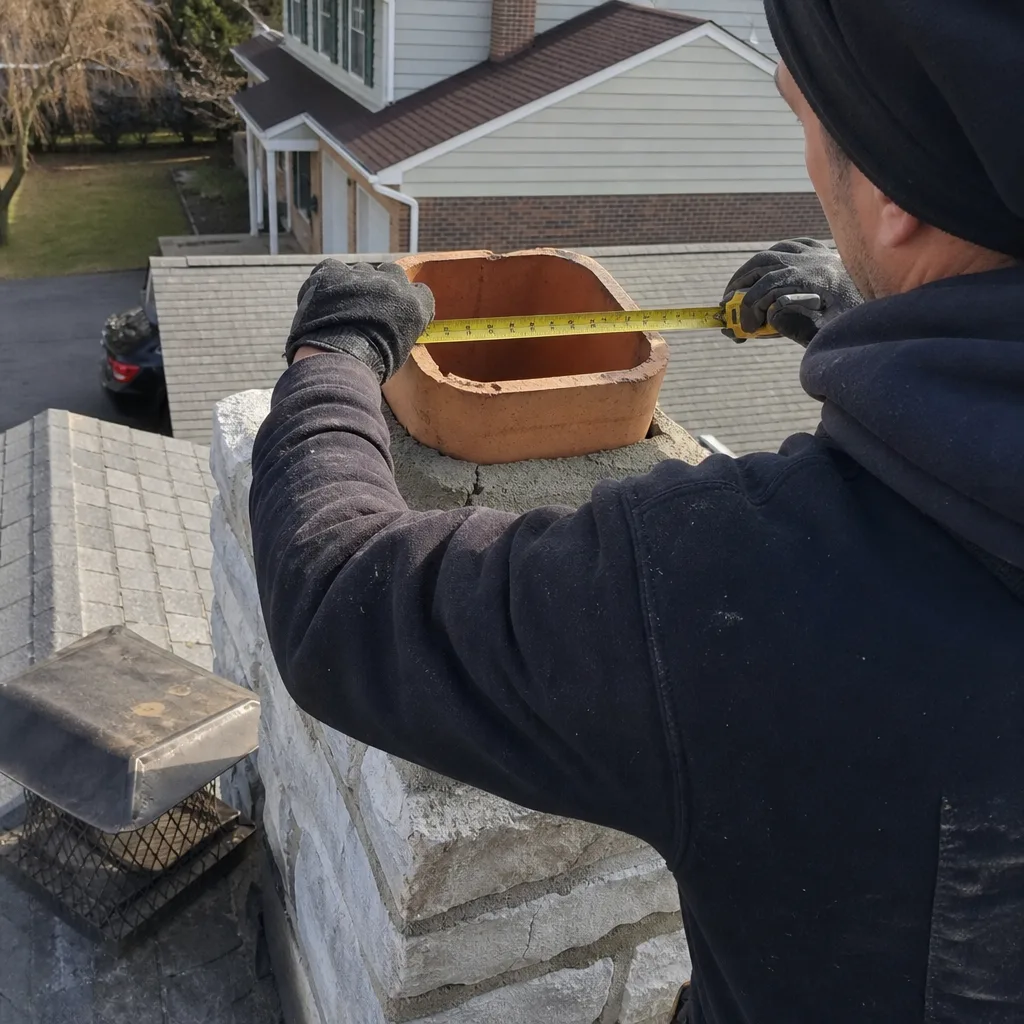
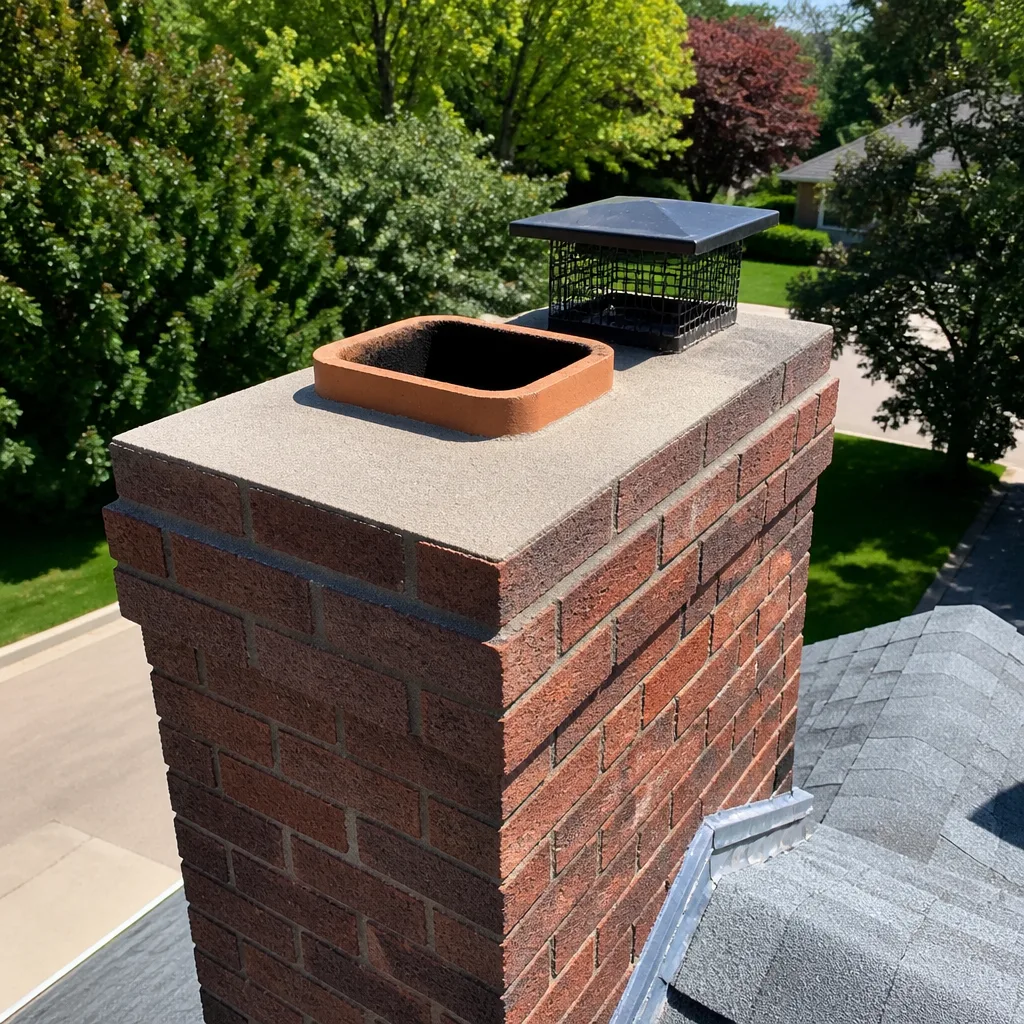
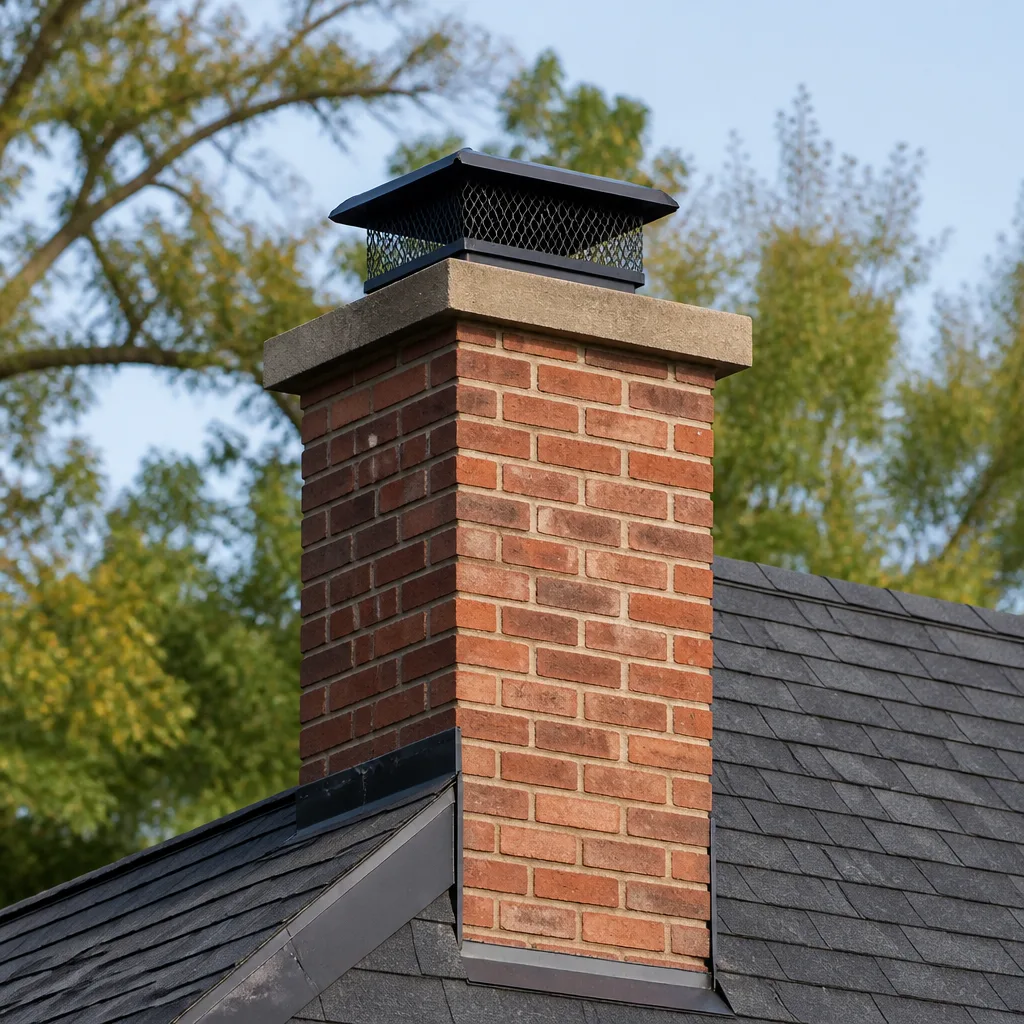
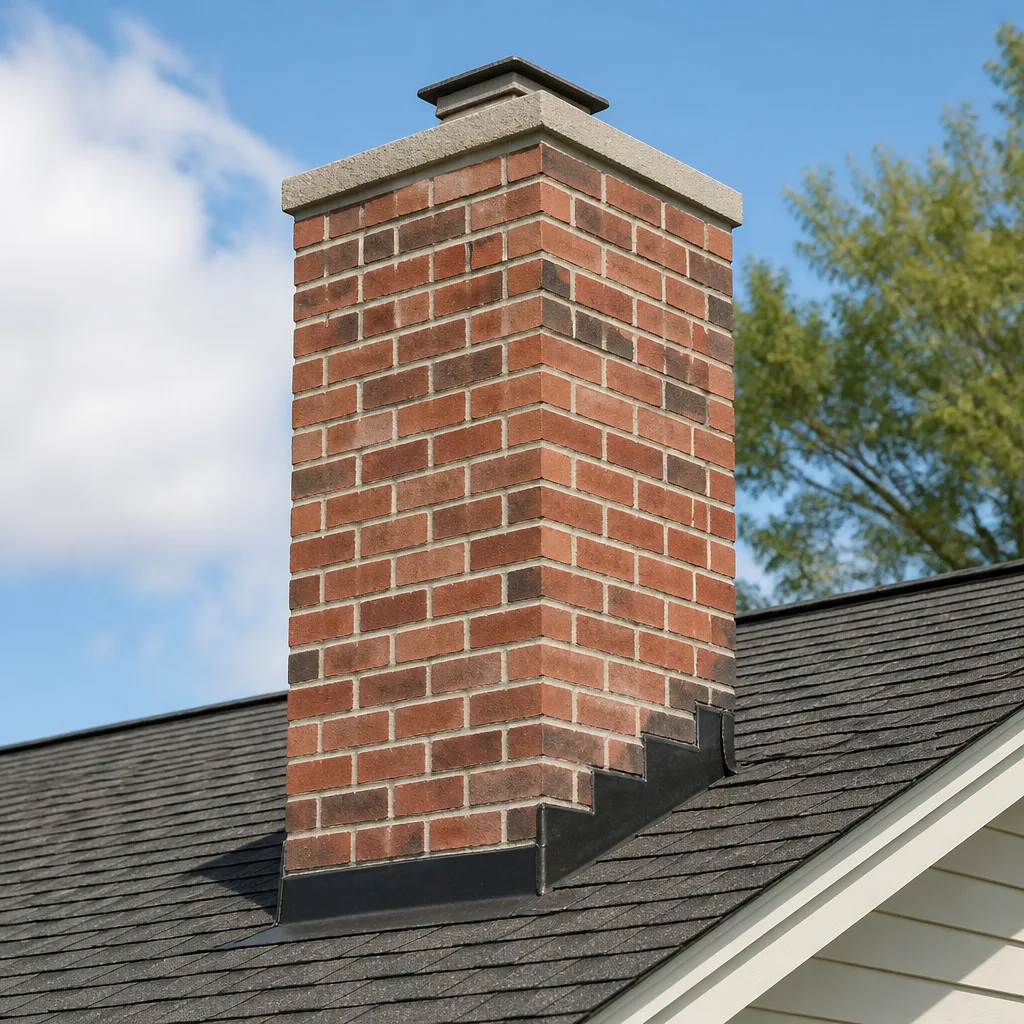
Crown cracking. The crown is the concrete or masonry cap at the very top that sheds water away from the flue. A hairline crack is an entry point; a wider or multiple crack means water is getting into the chimney structure every rain. This is where a proper crown replacement, using components designed for the job, pays for itself by stopping the water before it reaches the brick below.
Our recommendation: check all three every spring, log what you see, and bring the notes to your inspection. “The west face has new spalling and the crown has a crack near the flue” is exactly the kind of detail that turns a vague worry into a clear repair plan. We tell you what your chimney actually needs, nothing more, nothing less.
The Damper-Seal Test You Can Do at Home
A failing damper is one of the easiest problems to spot and one of the most expensive to ignore. Here’s how to test the seal yourself, safely, without tools.
- Wait for a cold, calm day with no fire burning. Make sure the firebox is completely cold and the ash is settled.
- Close the damper fully. Open the firebox doors and reach up to confirm the damper plate is seated flat and closed.
- Do the light test. Shine a strong flashlight up past the damper plate from inside the firebox. If you can see light around the edges, the seal is leaking.
- Do the draft test. On a cold day, hold your hand near the firebox opening with the damper closed and feel for a steady cold draft coming down. A strong draft means warm room air is escaping up the flue.
- Open and re-close it a few times. The damper should move smoothly and seat the same way each time. A plate that sticks, wobbles, or won’t close flat is a failing damper.
What does a failing damper cost you? The honest answer is that it leaks heated air up the chimney all winter, so your heating system runs longer to hold the same temperature. That’s an annual energy loss you can’t see on a bill line, which is exactly why it gets ignored. It also lets cold air, moisture, and pests down when the fireplace is idle. If your damper won’t seat, that’s a repair job for a specialist, and it’s worth doing before the heating season, not after.
Flashing Inspection for Flat and Low-Pitch Roofs
Flashing is the metal that seals the joint where the chimney meets the roof. Where the roof is flat or low-pitch, as it is on many attached and semi-attached homes in Elmhurst, that joint takes more water and gets less slope to shed it. This makes flashing one of the highest-risk spots on the whole system, and one of the most overlooked.
What to look for from the ground:
- Lifted or separated edges. Any flashing that has pulled away from the chimney or the roof surface has opened a gap.
- Rust or corrosion. Brown staining on the metal is a sign the flashing is near the end of its life.
- Missing sealant or cracked caulk lines where the flashing meets the masonry.
- Water staining on the chimney or ceiling below. A dark streak on the brick near the roofline is water finding its way in.
Elmhurst’s freeze-thaw cycle is the enemy here. Water gets behind the flashing, freezes, and pries it loose, then repeats. On a low-pitch roof that water sits longer, so the damage compounds. If you spot any of the above, don’t wait for the next rain to confirm it. Flashing that has failed lets water into the roof deck and the chimney structure at the same time, and the repair only grows.
This is a professional inspection item. Getting on a low-pitch roof safely and reading flashing detail up close takes the right access and experience. During your spring inspection, ask specifically about the flashing. It’s part of a full-system view, and it’s one of the details that separates a real inspection from a quick sweep.
Building a Service History Log
A written log of every sweep, inspection, repair, and observation does two things: it helps you make decisions, and it protects you at resale. When a buyer’s inspector or a future owner asks about the chimney, a clean service history is worth more than a verbal promise.
Keep it simple. A notebook or a digital file works. Here’s what to record:
- Date of every sweep, inspection, and repair.
- Who did the work and what service was performed.
- What was found. Spalling, a crown crack, a leaking damper, a flashing gap. Note the location (which face, which part of the crown).
- What was recommended vs. what was done. If a pro flagged something as a watch item, note it so you can check it next season.
- Your own monthly observations. Even “no change noted” is worth a line; it shows a pattern.
- Materials used if a repair was done, so a future owner knows the system.
This log is also why we work with the professional-grade brands we do. When a repair is documented with HeatShield ceramic resurfacing, a DuraFlex liner, or crown and cap components from Gelco, Famco, or Olympia Chimney, the service history reflects materials a future inspector will recognize.
One system, one log, one specialist from inspection through repair and follow-up: that’s how a maintenance file stays coherent. It’s also the kind of record that answers the “has this chimney been taken care of?” question before anyone has to ask it.
See the difference
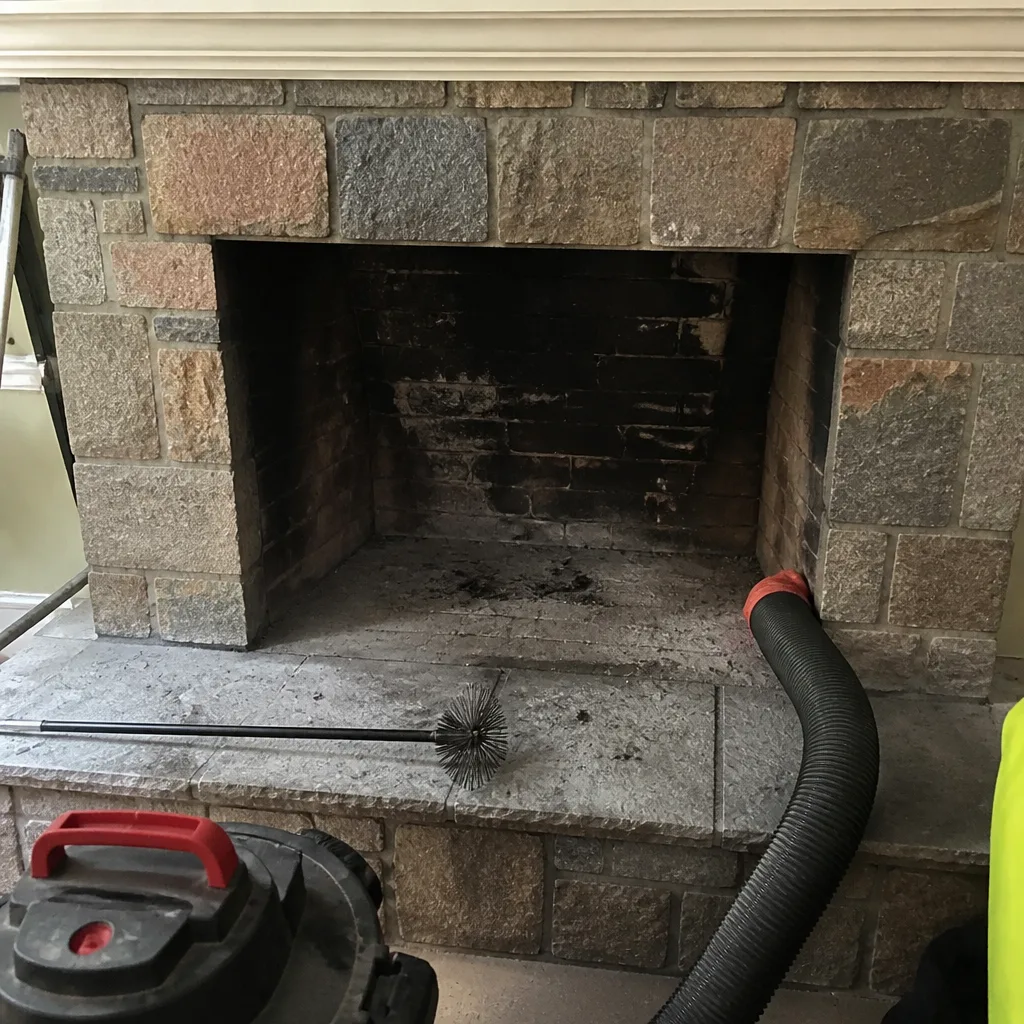 Before
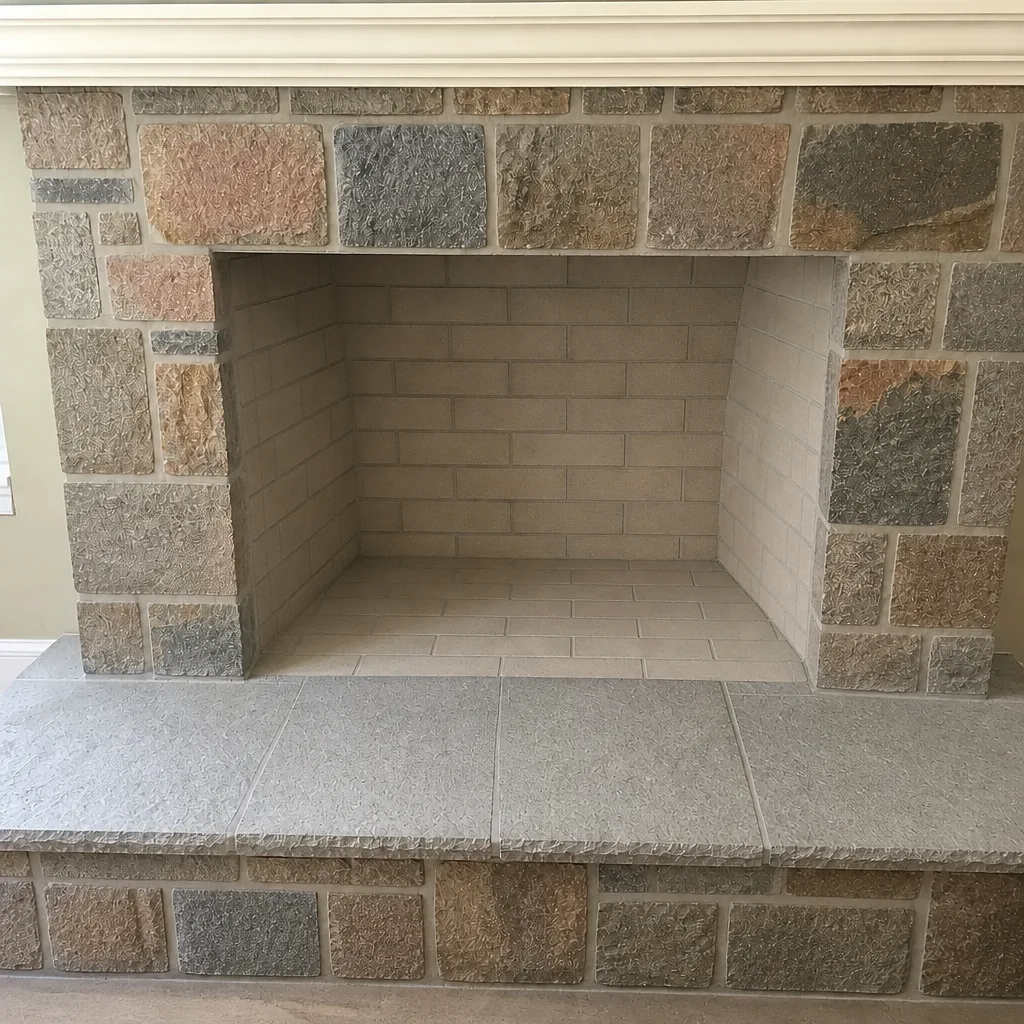 After
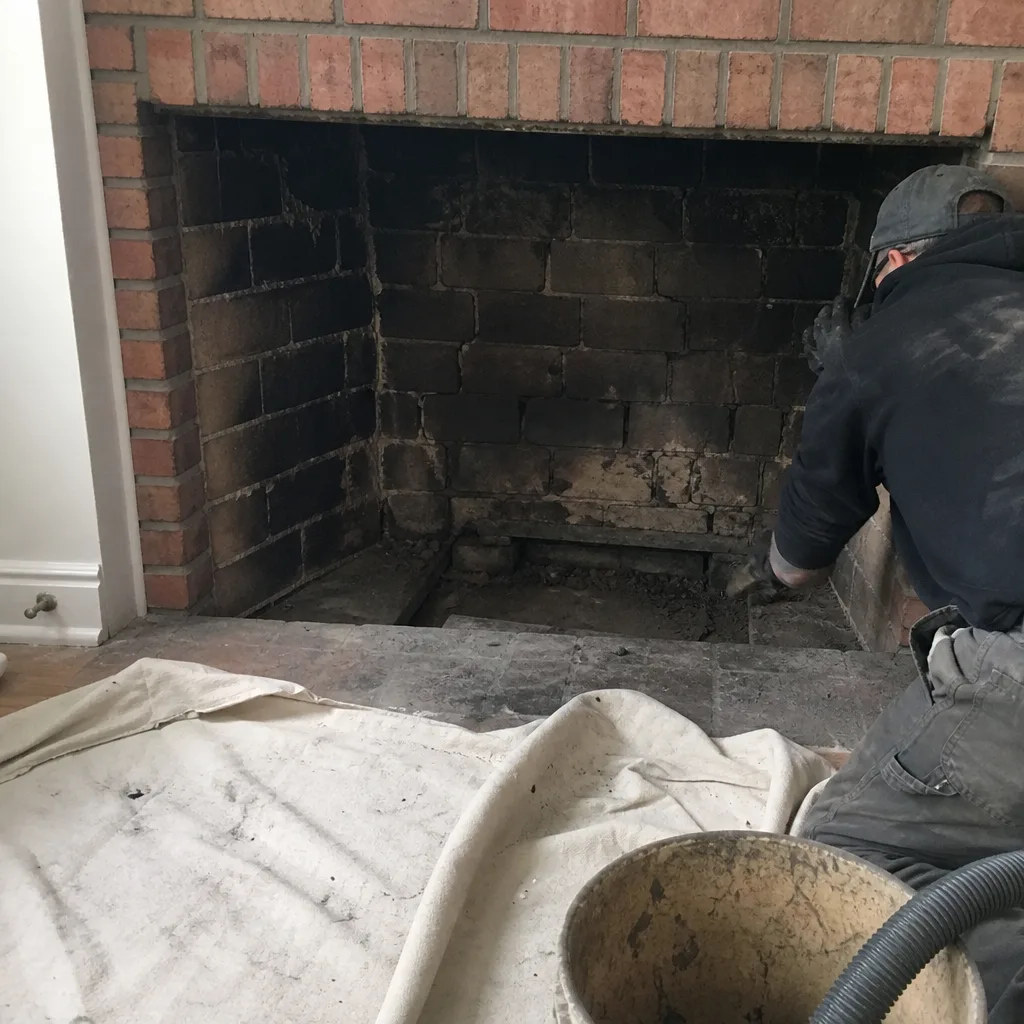 Before
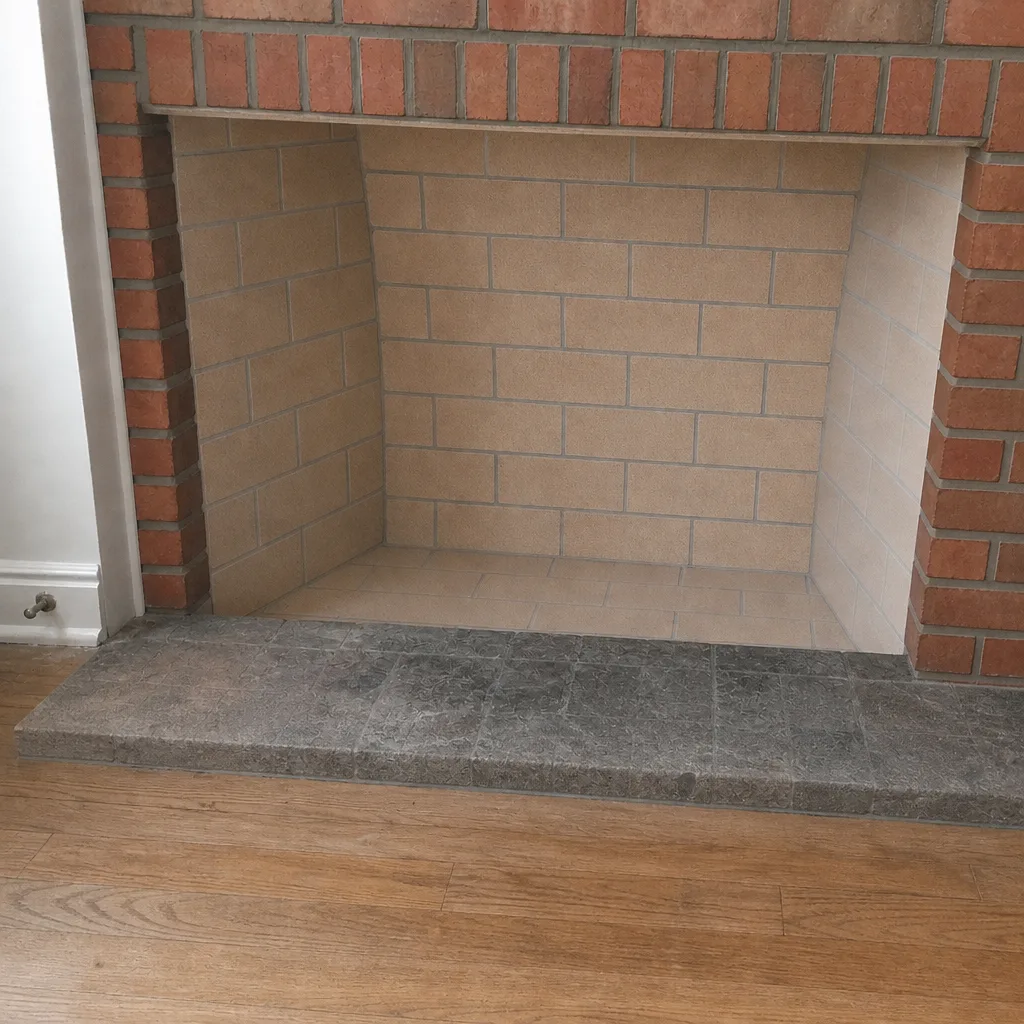 After
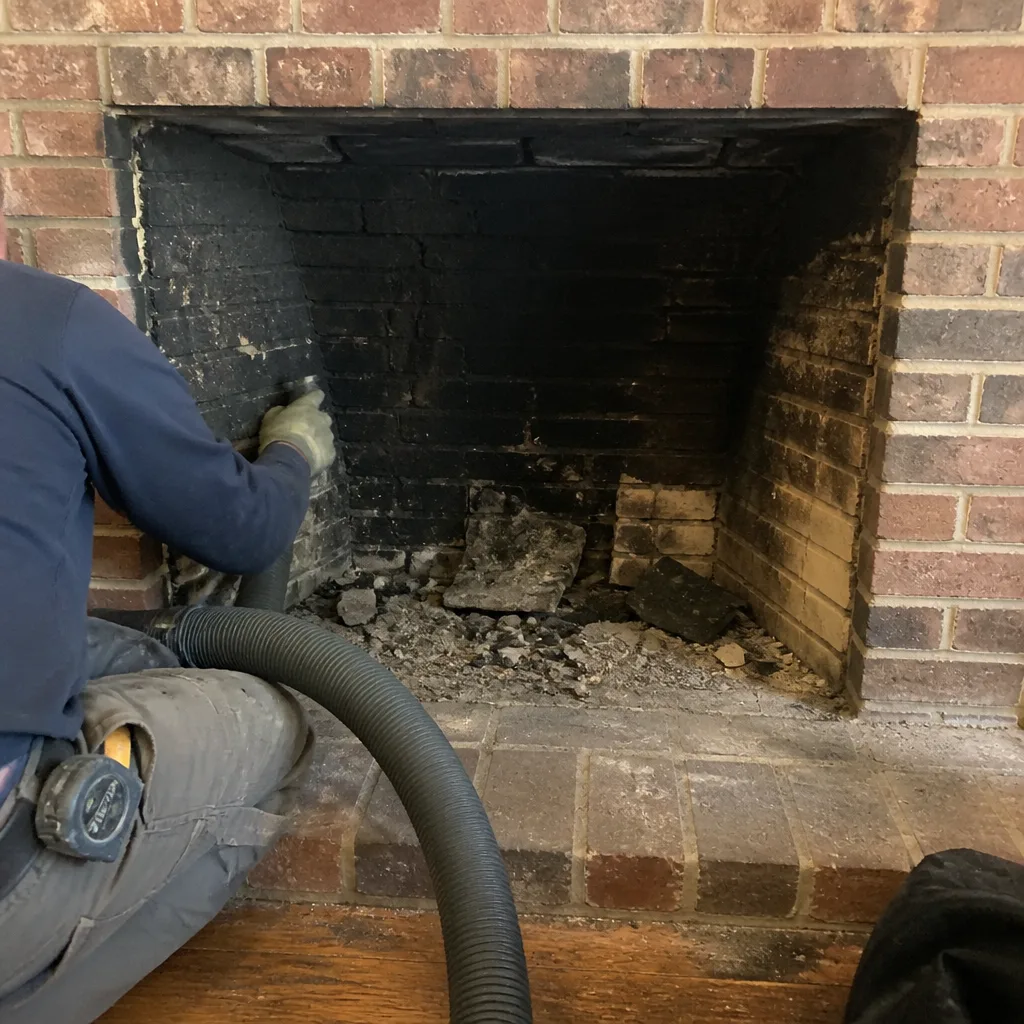 Before
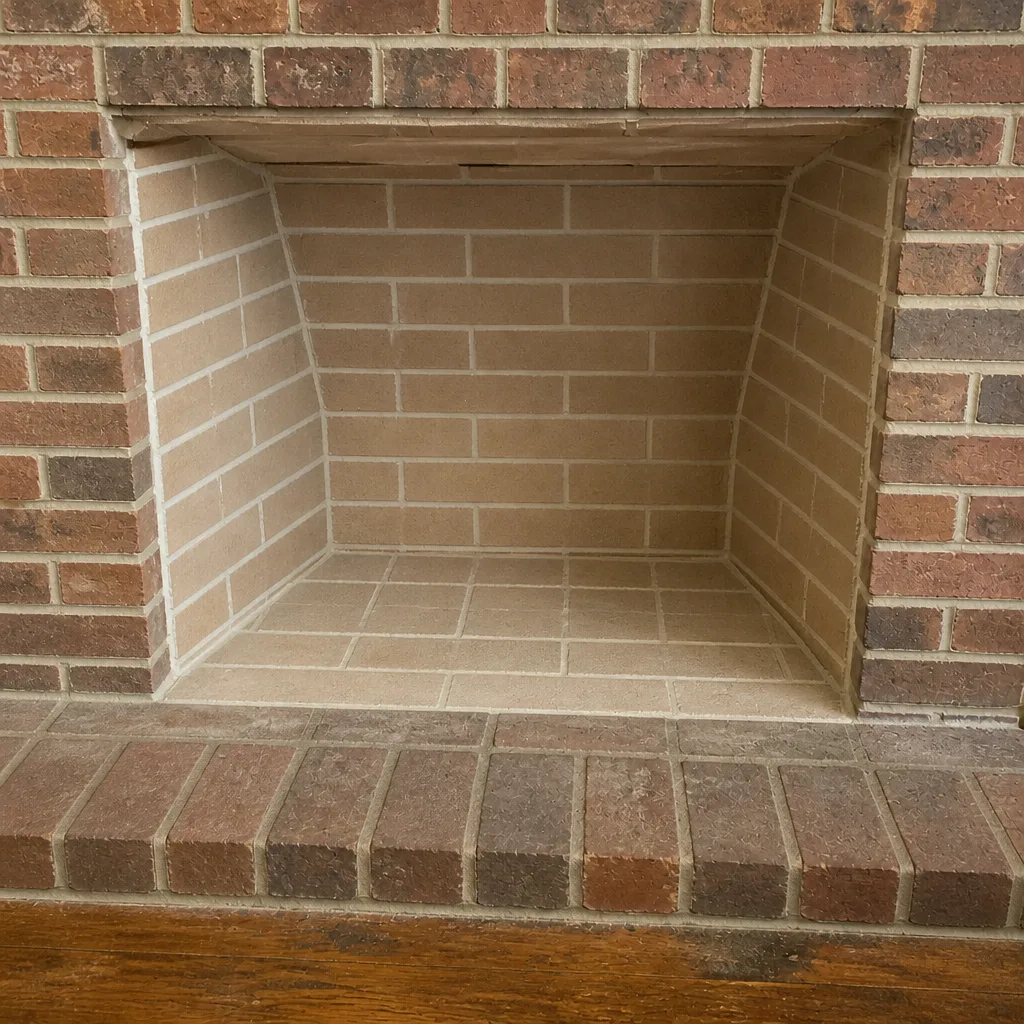 After
Common Mistakes to Avoid
- Treating the annual sweep as the whole plan. A sweep cleans the flue. It doesn’t check the crown, flashing, mortar, or damper unless you schedule an inspection. Do both.
- Skipping the spring inspection. In Elmhurst, the damage from a winter of freeze-thaw shows up in spring, and it’s cheapest to fix then. Wait until fall and you’re repairing what could have been watched.
- Ignoring a damper that won’t seal. It’s an easy check and an easy fix, but the energy loss and moisture intrusion continue until you address it.
- Assuming low-pitch flashing is fine. On attached and semi-attached Elmhurst roofs, the chimney flashing gets more water and less slope. It needs an actual look, not a glance from the ground.
- Not keeping a written log. A service history at resale is real value. Without it, a buyer sees an unknown chimney and negotiates accordingly.
- Calling a general handyman for structural or flue work. A chimney is a system. Repair of the crown, flue, or firebox is chimney work, and it belongs to a chimney specialist using the right materials.
- Burning green or unseasoned wood. It produces more creosote, which is harder on the flue and increases cleaning frequency. Seasoned wood burns cleaner and helps the whole system.
When to Call a Professional
Call a professional now if you see any of the following, without waiting for your next scheduled service:
- Heavy or flaky creosote in the flue (not just light soot), which is a chimney fire risk.
- New spalling, deep mortar recession, or a crown crack that’s opened further.
- Water staining on the ceiling, chimney, or firebox after rain.
- A damper that won’t seat, or a strong draft coming down with it closed.
- Smoke backing into the room on the first fire of the season.
- A carbon monoxide detector going off. Leave your home and call the fire department first, then us.
- A missing or damaged chimney cap, which lets water and wildlife in.
The rule of thumb: if your monthly check surfaces something structural, water-related, or safety-related, it’s a professional task. Call (844) 871-3169. We answer 24/7. Fast dispatch from 7am to 7pm, Sunday through Friday. We’ll tell you what your chimney actually needs, and the written estimate sets the final price before any work begins.
Frequently Asked Questions
Once a year is the standard for a home that uses its fireplace regularly. Book the sweep in late summer or early fall, before the heating season, and pair it with a full inspection so the crown, flashing, and damper get checked at the same time. If you burn frequently or use unseasoned wood, you may need more frequent cleaning. Call (844) 871-3169 for a free estimate.
A failing damper lets heated room air escape up the flue all winter, so your heating system runs longer to keep up. You won’t see a line item for it, but the loss is real. Do the flashlight and draft tests described above; if the seal leaks, it’s a repair worth scheduling. Call (844) 871-3169 for an exact quote.
You can do the monthly visual checks and the damper test yourself. The annual flue cleaning, roof-level inspection, and any repair need a trained professional. Never climb a steep or wet roof or try to work inside the flue yourself. When a check turns up something structural, that’s the time to call.
Look for spalling (flaking, pitted brick faces), mortar joint recession (mortar worn back below the brick), and crown cracks. All three are water-entry points and all three show up on older masonry chimneys in a freeze-thaw climate. Note where they are and bring the notes to your inspection. Call (844) 871-3169 for a free estimate.
It can be. Flat and low-pitch roofs on attached and semi-attached homes give water less slope to run off, so the flashing joint gets more exposure. Check it during your spring inspection and have a professional look at the flashing up close. It’s one of the details we check from crown to firebox.
Yes, and it’s one of the simplest things you can do. A log of sweeps, inspections, repairs, and observations helps you track watch items season to season and gives a future buyer a documented history. Pair it with the right materials, like a DuraFlex liner or a HeatShield-resurfaced flue, and the record stands up. Call (844) 871-3169 for a free estimate.
The Bottom Line
The annual sweep is the anchor of chimney maintenance, not the whole plan. In Elmhurst, where older brick chimneys meet freeze-thaw winters and dense, low-pitch housing, the rest of the checklist is what catches damage early: monthly visual checks, a spring inspection, a damper test, a flashing look, and a written log that follows the chimney through every season. Owner tasks keep you in touch with the system; professional tasks keep it safe. Do the checks, book the inspection, and call when something turns up. If you need an Elmhurst Chimney Sweep you can trust to read the whole system, we’re here for that.
Ready to put this checklist to work? Call (844) 871-3169 for a free estimate. We answer 24/7. Fast dispatch from 7am to 7pm, Sunday through Friday.
Written by the team at Elmhurst Chimney Sweep.