
Last updated November 22, 2026
 Sweep & inspection
 Caps & crowns
 Flue relining
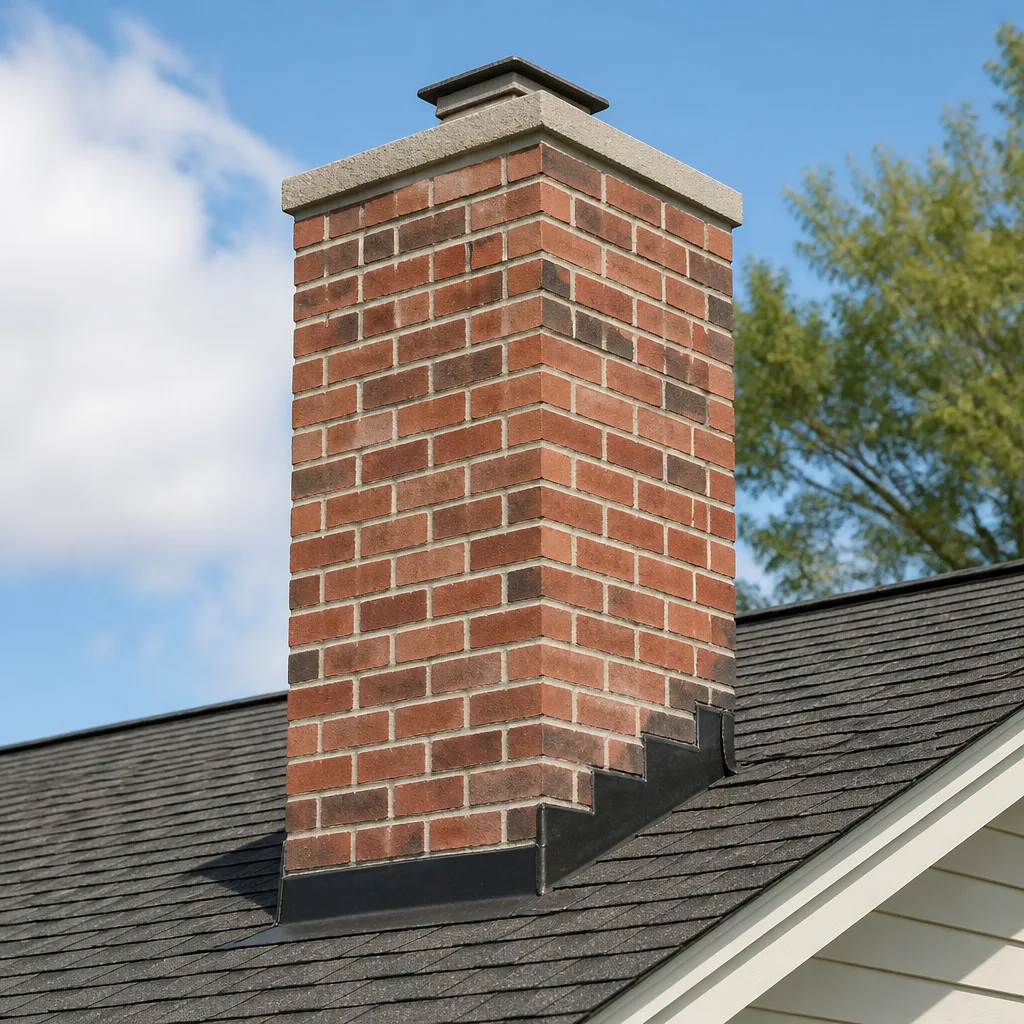 Masonry repair
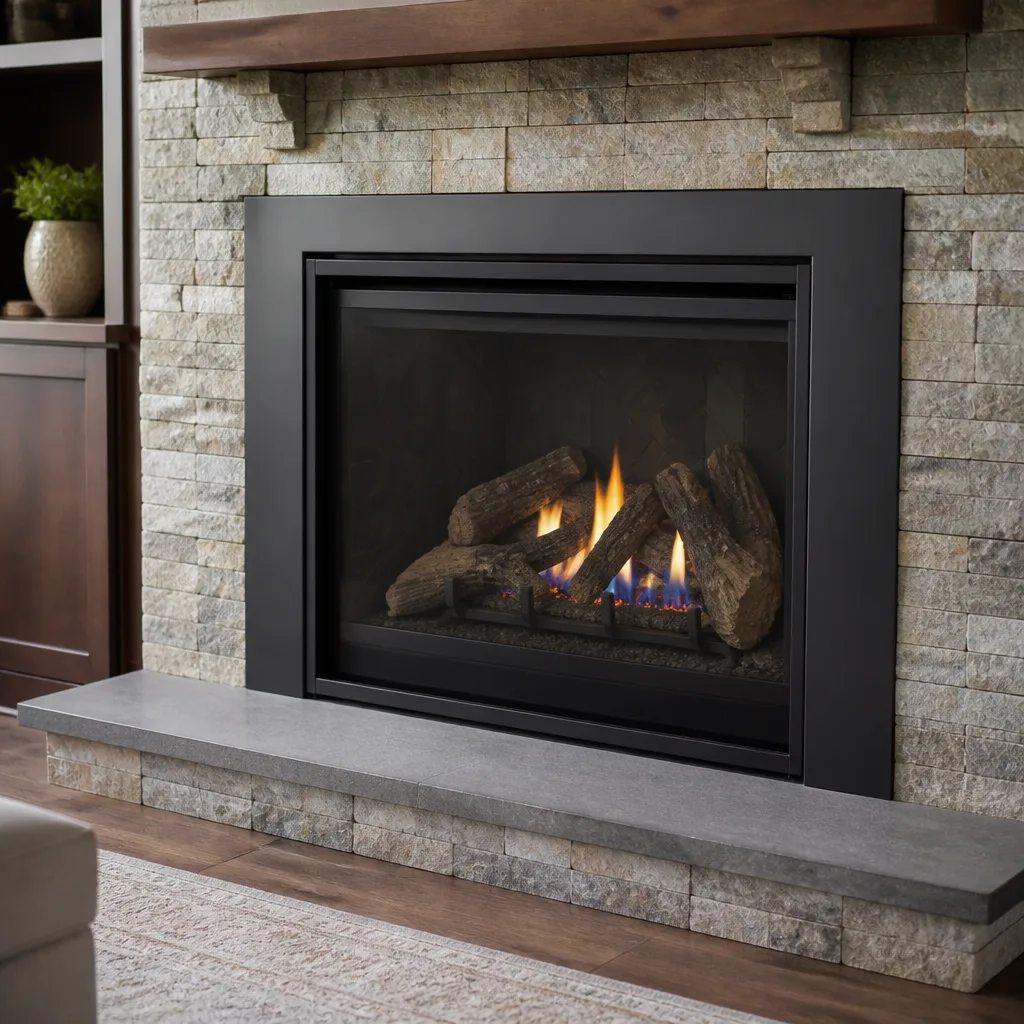 Gas fireplace service
Level 1 sweep and inspection to the NFPA 211 annual standard - flue, crown, cap, and flashing checked and photographed
Chimney sweep logs do not sweep chimneys. They loosen some creosote - which then falls where a brush and vacuum still have to collect it.
Chimney Cleaning Warning Signs: An Elmhurst Homeowner’s Reference Guide
Most guides to chimney trouble point you toward the obvious: smoke rolling back into the room, a fire that won’t draw, a flue packed with soot you can see. Those are real, but by the time they show up, the problem has usually been developing for a while. The signals that matter most in Elmhurst are quieter, and they’re the ones homeowners tend to explain away. A white chalky stain on the brick. A faint musty smell in summer. A draft that seems a little off this year compared to last. None of these feel urgent. Each one is telling you something specific about what’s failing inside the system. This guide walks through those subtle signs, what mechanism each one points to, and how quickly you should act on it.
Quick Answer
The warning signs that matter most are the ones easy to dismiss: white efflorescence staining on exterior brick, mortar joints opening at the corbel, rising heating bills from a failing damper seal, musty smells that point to moisture in the flue, and rusting firebox components. Popping, hissing, or scratching sounds during a fire mean you should stop using the chimney and book an inspection. Visible smoke backdraft is a late-stage symptom, not an early one. Call (844) 871-3169 for a free estimate. We answer 24/7. Fast dispatch from 7am to 7pm, Sunday through Friday.
Styles & brands we work with
- Sweep & inspection
- Caps & crowns
- Flue relining
- Masonry repair
- Gas fireplace service
Table of Contents
- Exterior Warning Signs on Elmhurst’s Older Brick Chimneys
- Interior Warning Signs Homeowners Misattribute
- What Sound Tells You About Your Chimney
- Rust and Corrosion as a Leading Indicator
- The Urgency Triage Framework: What Can Wait, What Can’t
- What a Proper Inspection Actually Checks
- How Often Elmhurst Homeowners Should Schedule Service
- Why One Warning Sign Rarely Travels Alone
Exterior Warning Signs on Elmhurst’s Older Brick Chimneys
A white, chalky deposit on the outside of a brick chimney isn’t a cosmetic problem. It’s called efflorescence, and it appears when water has moved through the masonry from the inside and evaporated at the surface, leaving mineral salts behind. The chimney isn’t wet on the outside and dry within. It’s the reverse: moisture from inside the flue or from a failing crown is working its way outward through the brick. When you see that white bloom, the water has already been traveling through the structure. The fire hasn’t started yet, but the structural damage has.
Elmhurst has a housing stock that makes these exterior signals especially worth watching. Many homes here sit on brick chimneys built decades ago, when the mortar mix and joint styles were different from what we use now. Older brick was often softer, which means it takes on moisture more readily when a crown fails or a flashing joint opens. The freeze-thaw cycle of an Elmhurst winter then does the rest: water enters a hairline crack, freezes, expands, and widens the crack. Each season it gets a little harder to ignore.
Look for three specific things on the exterior:
- Efflorescence patterns. A patch of white staining low on the chimney usually points to water coming in near the roofline and traveling down. Staining near the top often means the crown or cap is letting water in at the very top.
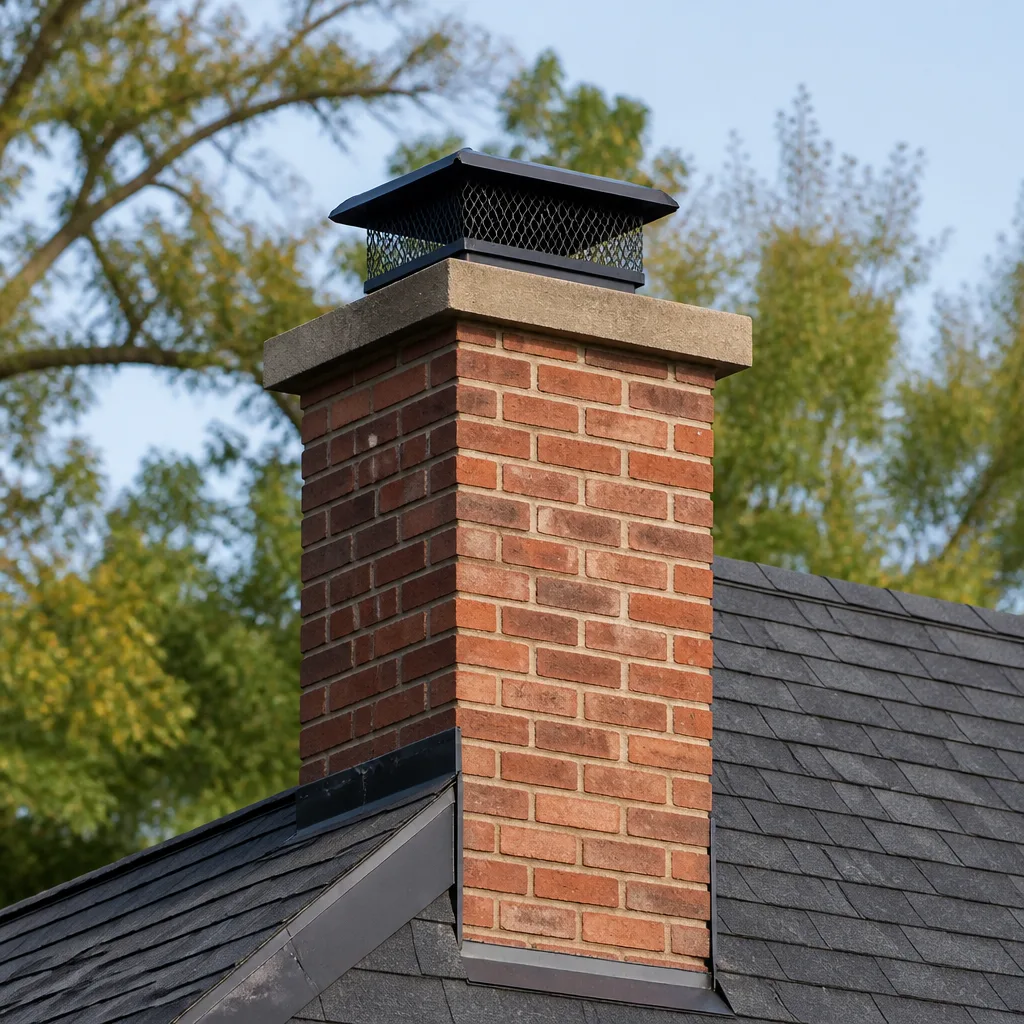
- Corbel joint separation. The corbel is where the chimney brick steps out slightly to support the upper section. If you see mortar opening at that transition, water has been getting behind the brick and working the joint loose. This is structural, not cosmetic.
- Mortar color changes. Fresh gray mortar next to dark, weathered mortar, or the opposite, tells you part of the joint has been reworked or is failing. Discoloration near the crown often indicates water moving through the very top of the chimney.
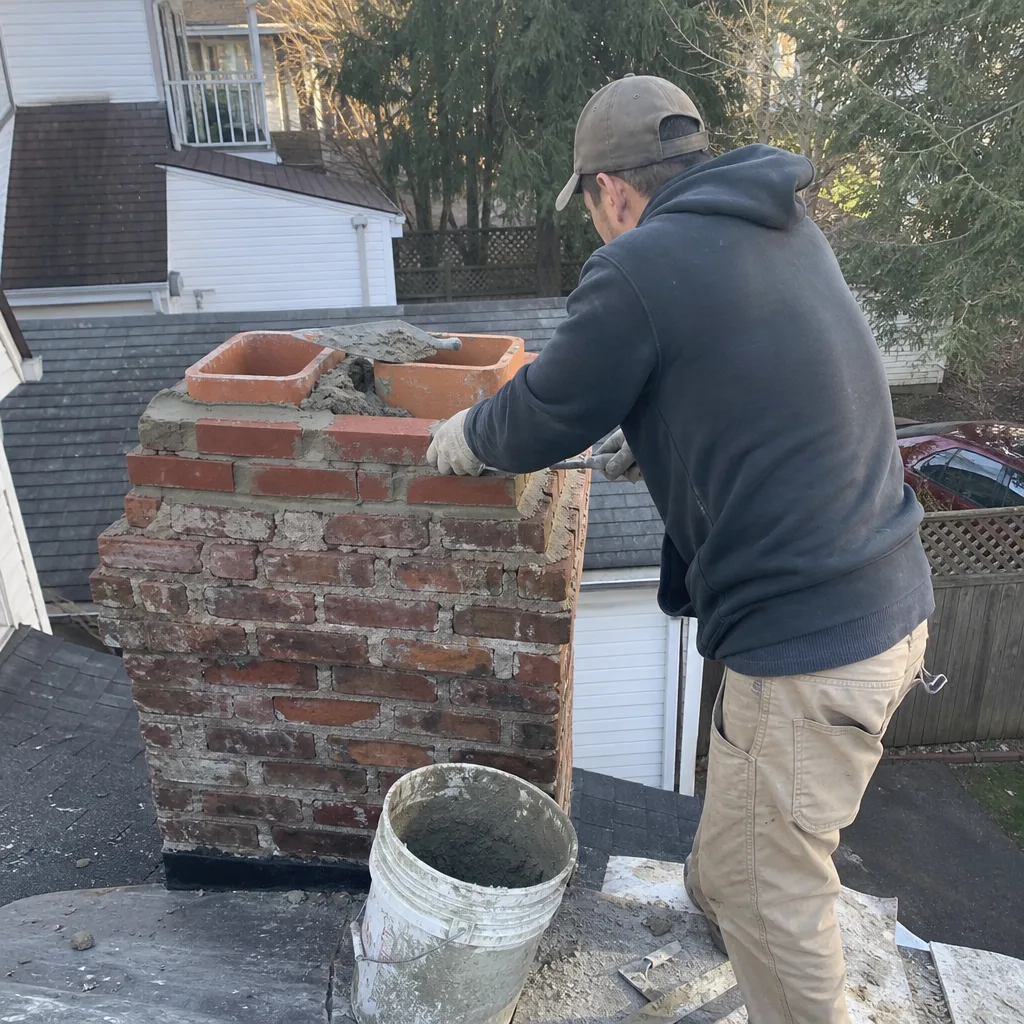
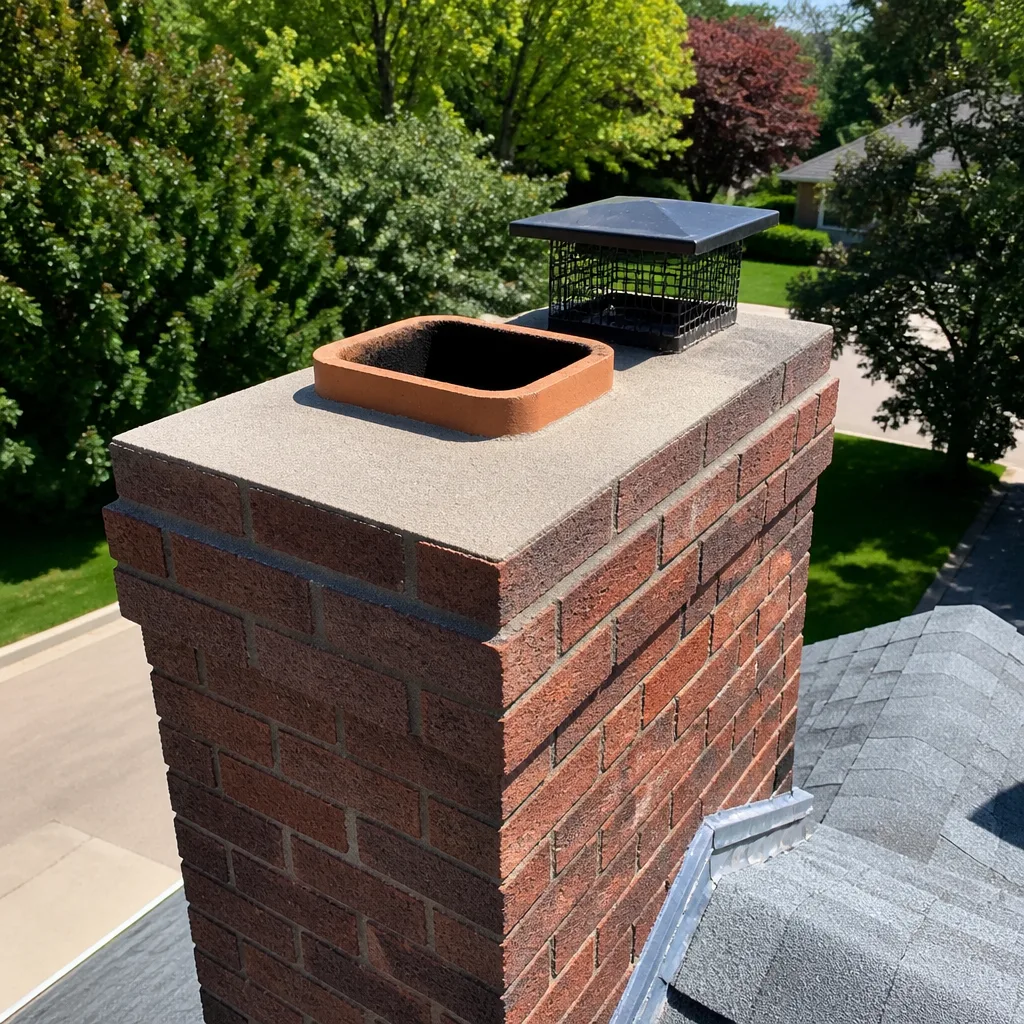
None of these will stop a fire from burning today. But they’re the visible evidence of a moisture problem you can’t see from inside the house, and they’ll only get more expensive to fix the longer the freezing and thawing goes on. Our chimney cap & crown work addresses the source in most of these cases, and the first step is figuring out where the water is actually coming from.
Interior Warning Signs Homeowners Misattribute
The most common mistake we see with interior warning signs is treating them as unrelated household annoyances. A heating bill that creeps up over a season gets blamed on cold weather. A musty smell in the living room gets blamed on the basement. A fire that isn’t drawing like it used to gets blamed on the wood. Each of these can be a chimney problem announcing itself in a language homeowners aren’t trained to read.
Here’s what each sign usually points to:
- Rising heating bills. If the fire is burning but the room isn’t warming the way it used to, the damper seal may have failed. The damper is the plate that closes off the flue when the fireplace isn’t in use. When it stops sealing tight, warm indoor air escapes up the chimney all winter, not just when you’re burning. That’s a small but constant drain, and it shows up in the gas or electric bill far more than in the firebox.
- Musty odors. A damp, earthy smell in a room with a fireplace, especially in summer when the fireplace is dormant, usually means moisture is sitting in the flue or behind the firebox. The source is often a missing or damaged cap letting rain in, or a crown that no longer sheds water. Once moisture is in the flue, creosote and soot residue turn it into a smell you can’t ignore.
- Inconsistent draft. If the fire draws well some days and not others, or if you notice a slight smell of smoke in the room after the fire dies down, you may have a partial blockage or a small breach in the liner. A liner breach lets flue gases escape into the chimney cavity and eventually into the house. Draft problems are the most common early sign that something inside the flue has moved from “working” to “working most of the time.”
In our experience, homeowners tend to notice one of these signs and then adapt around it. They learn to open the flue earlier, or keep the window cracked when the fire is burning, or accept the smell as normal. Adaptation is exactly the wrong move, because it hides the sign that would have told a professional where to look.
What Sound Tells You About Your Chimney
Sound is one of the most specific warning signals you’ll get, and it’s also the one most often rationalized away. Popping, hissing, or scratching during a fire are not variations of normal burn sounds. They point to specific structural or physical conditions worth investigating.
Here’s how to read what you’re hearing:
- Popping or crackling that seems louder than usual. Some crackle is normal with wood, but consistent sharp popping, especially from high in the chimney rather than the firebox, can indicate creosote that has built up to the point where it’s igniting in small pockets and then sputtering out. That’s a chimney fire event, even a small one. Stop using the fireplace and book an inspection before the next fire.
- Hissing during a fire. A hissing sound usually means moisture is trapped somewhere in the system. Wet wood hisses, but so does water vaporizing off a damp flue lining when the fire heats the masonry. If the hissing doesn’t stop once the fire is fully burning, the moisture is coming from the chimney, not the logs.
- Scratching, rustling, or animal sounds. If you hear scratching or rustling from the chimney when there is no fire, an animal may have moved in. That points to a missing or damaged cap, because a properly capped chimney shouldn’t allow birds, squirrels, or raccoons into the flue. Animal nesting material can block the flue, and it’s combustible.
- Whistling or fluttering with the fire going. Air moving through an opening in the liner or around a loose damper frame makes a sound like a whistle or a flutter. It’s best heard at low fire or when the house is quiet, so it’s easy to miss during normal activity.
The reason sound-based indicators matter so much is that they tend to appear earlier than the visible ones. Popping from a chimney fire starts before the liner shows visible heat damage. A blocked flue makes noise at the cap end before the interior shows a blockage. If a fire ever sounds wrong to you, trusting that instinct is worth more than examining the firebox and deciding it looks fine.
Rust and Corrosion as a Leading Indicator
Rusting on fireplace components is the warning sign most often completely missed, because it appears in places homeowners don’t inspect. Rust on the firebox doors, the grate, the damper handle, or the metal parts near the throat of the chimney is never normal. It means moisture has settled on those surfaces and stayed there long enough to corrode the metal. The rust is evidence; the moisture is the actual problem.
Why does rust matter more than the corrosion itself? Because the water causing it has been moving through the chimney in a way that shouldn’t be happening. Some of the paths moisture takes:
- From the crown. A cracked crown lets rain seep into the masonry at the top of the chimney, and the water works downward through the brick and mortar, eventually reaching the firebox.
- From a missing or broken cap. The cap is the cover over the flue opening. Without it, rain goes straight down the flue and ends up on the damper and the firebox components.
- From the flashing joint. Where the chimney passes through the roof, flashing seals the joint between the masonry and the roofing material. When the flashing fails, water gets between the chimney and the roof, and the damage starts up top but shows itself lower down.
- From condensation. Summer humidity combined with a flue that’s sealed but not ventilated can produce condensation on metal components inside the chimney. Rust from condensation alone isn’t as alarming as rust from an active leak, but it still needs diagnosing.
We treat rust on fireplace components as a leading indicator: it appears before the interior masonry shows visible damage, and before efflorescence becomes obvious on the outside. If you’ve found rust on a damper or a firebox door, the next step is a full inspection to find where the moisture is getting in. A proper chimney repair scope almost always begins with fixing the water source, not just cleaning the corrosion.
The Urgency Triage Framework: What Can Wait, What Can’t
One of the most helpful things a homeowner can have is a clear sense of urgency. Not every warning sign requires the same speed of response. Some genuinely need attention this week. Some can be scheduled whenever it’s convenient. A few mean you should stop using the fireplace entirely until a professional has looked at it. Here’s how we’d sort the signs we’ve discussed:
Stop using the fireplace immediately
- Popping, crackling, or a roaring sound from high in the chimney during a fire.
- Visible smoke coming into the room from around the firebox or damper.
- Scratching or rustling sounds with no fire burning: an animal or a blockage may be present.
- Any fire event you suspect, even a small one, until the liner has been inspected.
Book service within the week
- Fresh rust on damper or firebox components.
- A musty smell that developed or got worse since the last time the fireplace was used.
- Draft problems that come and go, or a fire that won’t draw reliably.
- White efflorescence staining that has appeared or spread since the last season.
Schedule at your next convenience
- A slowly rising heating bill through the winter with no other obvious cause.
- Mortar color changes on the exterior, or a small opening at the corbel joint that hasn’t progressed.
- Cracked crown visible at the top of the chimney with no staining below.
- A regular annual sweep when you’ve noticed nothing wrong.
The line between “stop using” and “book within the week” is whether the sign indicates an active hazard or an evolving condition. Sound-based signs and visible smoke are the active hazards. Efflorescence, rust, and small exterior joint problems are the evolving conditions. Neither category is something to ignore, but they call for different timing. If you’re between the two, call us and describe what you’re seeing. We’d rather help you sort it by phone than have you put it off because you’re not sure where it falls.
What a Proper Inspection Actually Checks
A chimney inspection is not a quick visual pass. A proper one checks the full system from the crown down to the firebox, and it’s a sequence worth understanding so you know what to expect when you schedule one. Whether you’re hiring us or a different specialist, this is the scope the inspection should cover:
- Exterior in full. Crown condition, cap and spark screen, flashing at the roof joint, brick face, corbel joints, and mortar condition. Every one of these can be the source of the moisture that shows up as efflorescence or interior rust.
- Chimney interior. A camera inspection of the flue, looking for liner breaches, gaps between liner sections, standing creosote, and any blockage. The camera lets the inspector see what a flashlight from the firebox can’t.
- Firebox and damper. Firebox integrity, damper operation and seal, the smoke chamber above the damper, and any evidence of rust or corrosion on metal parts.
- Draft test. A check that the flue is drafting the way it should. Draft problems are the most common early sign of a developing issue, and they’re easiest to catch with a specific test rather than a visual look.
- Full report with photos. The inspection should leave you with a clear picture of what was found, what needs attention, and how urgently. A good specialist should be able to show you the evidence, not just describe it.
We run our inspections with a camera and provide a written report with photos so homeowners can see for themselves what the issue is and where. Our technicians have up to 9 years of experience with the interior scope, and they’ll tell you plainly when a finding can wait and when it can’t. If a repair is warranted, we’ll scope it in writing with a flat price agreed before anything is booked. If the chimney is fine and just needs a sweep, that’s what the report will say.
How Often Elmhurst Homeowners Should Schedule Service
The general rule of thumb most chimney professionals work to is one sweep per year of active use, or roughly once per cord of wood burned. That rule translates differently for different homes, so it’s worth thinking through what your actual usage looks like and what an Elmhurst winter adds to the equation.
Here’s how the scheduling breaks down in practice:
- Regular fireplace user (a fire most evenings in cold months). An annual sweep before the burning season starts, plus a quick visual check in spring to catch any exterior sign that appeared over the winter.
- Occasional user (a fire most weekends, or whenever guests come over). A sweep every two years is often enough, but an annual inspection is still worth booking. Inspections catch developing issues a sweep alone won’t, and they’re cheaper than a repair that could have been prevented.
- Wood stove or insert. These tend to produce more creosote than an open fireplace and generally need a sweep once a year regardless of how often they’re used, because the smoldering burn pattern concentrates deposits.
- Home with a dormant fireplace. Even if the fireplace hasn’t been used, the chimney is still exposed to weather. An inspection every two years catches cap damage, crown cracking, and animal activity before they turn into repairs.
The seasonal timing matters as much as the frequency. In Elmhurst, the greatest amount of water damage to chimneys happens over the winter, when water freezes and thaws repeatedly in any small gap it can find. Booking a sweep or an inspection in late summer or early fall means you’re checking the chimney before winter starts, not after the season’s damage has had a chance to compound. Our chimney sweep visits include a visual check as part of the appointment, so the two jobs often pair naturally in one visit.
Why One Warning Sign Rarely Travels Alone
New homeowners often bring us a single concern: a little white on the brick, a smell they’ve noticed, a crack they want to look at. In our experience, that single concern almost always turns out to be part of a system of related findings. Chimney problems compound, and the reason they compound is that the chimney is a single unit. The crown protects the brick. The brick surrounds the flue. The flue carries the fire’s gases up and out. The cap protects the whole stack from weather. When one link in that chain fails, the failure travels to the adjacent links, and each one shows up as a slightly different visible or sensory symptom.
Here’s how the chain typically plays out:
- The crown cracks from weather cycles, and the crack widens over successive winters.
- Water enters through the crown and saturates the upper brick, and efflorescence shows up on the exterior.
- The water works downward through the masonry and reaches the flue, causing liner damage or, in a masonry flue, degrading the mortar joints. A musty smell develops in the room.
- Moisture reaches the firebox and the damper, and rust appears on the metal components.
- The corroded damper stops sealing properly, and the house loses heat up the flue all winter.
- The metal components and the firebox surface begin to fail further, and the whole assembly moves from repair scope toward replacement scope.
By the time you’re noticing the heating bill, the crown problem that started it all may have been developing for a couple of seasons. That’s the reason a warning sign shouldn’t be treated as a single finding in isolation. The appointment that starts with one concern often ends up scoping the whole system. A HeatShield ceramic resurfacing appointment, for example, is often how we address an interior flue that’s gone past the point where a simple cleaning does any good, and it’s reserved for the cases where the flue has genuinely deteriorated. The rest of the time, the honest recommendation is a sweep and a small repair. That’s what most of our appointments end up being, and we say so plainly.
Common Mistakes to Avoid
- Waiting for smoke backdraft before acting. Backdraft is a late-stage symptom. By then, the blockage or draft issue has been developing for weeks or months. Any of the subtler signs above is a better reason to book an inspection than waiting for the obvious one.
- Painting over efflorescence on exterior brick. A coat of paint doesn’t fix the water that’s causing the efflorescence; it traps moisture inside the masonry, and the next freeze will push harder against the brick face. The right fix is at the source, not the surface.
- Calling the musty smell “old house smell.” Elmhurst has many older homes, and older homes do have a particular smell. But a musty odor that’s localized near the fireplace, or that gets worse after rain, is specific to the chimney and usually curable.
- Assuming rust is just cosmetic. Rust on the firebox or damper is evidence of active moisture. Treating it as a cosmetic issue means the water source keeps working while you keep sanding.
- Skipping the camera inspection to save money. A sweep without an inspection means the exterior and interior are checked with a flashlight, not a camera. Camera inspection is how liner breaches and standing creosote get caught before they become fires.
- Using a general handyman for chimney work. Chimney work is a trade with its own tooling, its own materials, and its own failure modes. A generalist who sweeps a chimney on the side has expertise in a dozen other trades, which is exactly the trade-off you don’t want on a fire-containment system.
- Waiting until the first cold week to book. Late summer and early fall are when a chimney inspection should happen, before the freeze-thaw cycle starts and before the burning season makes an appointment harder to fit.
See the difference
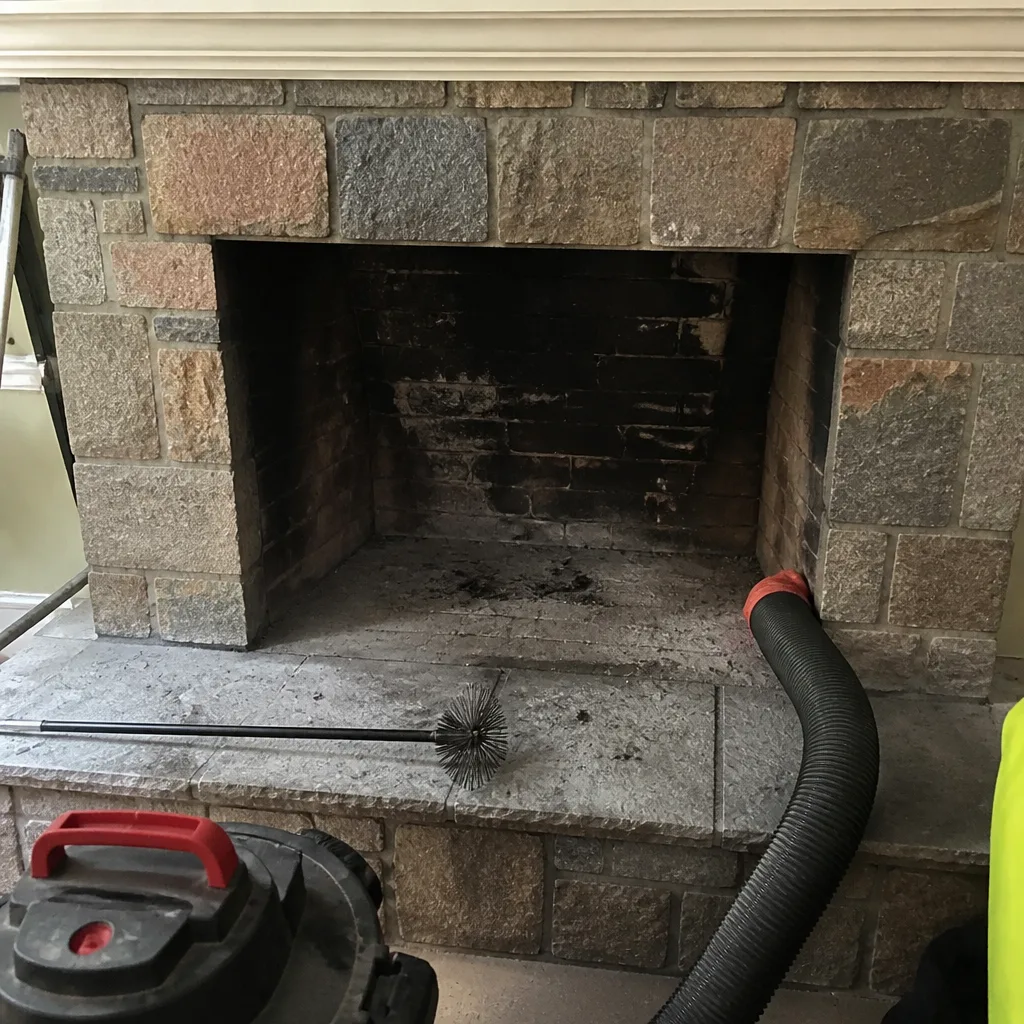 Before
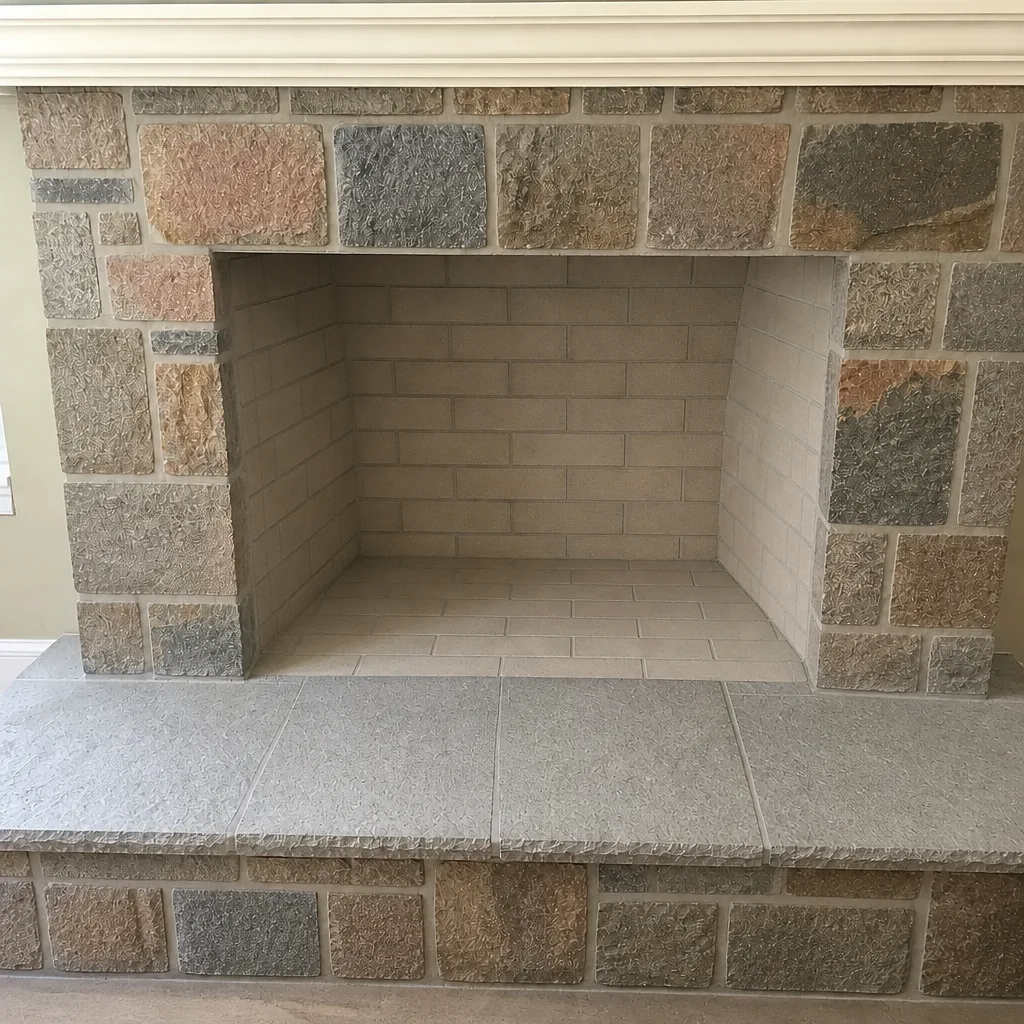 After
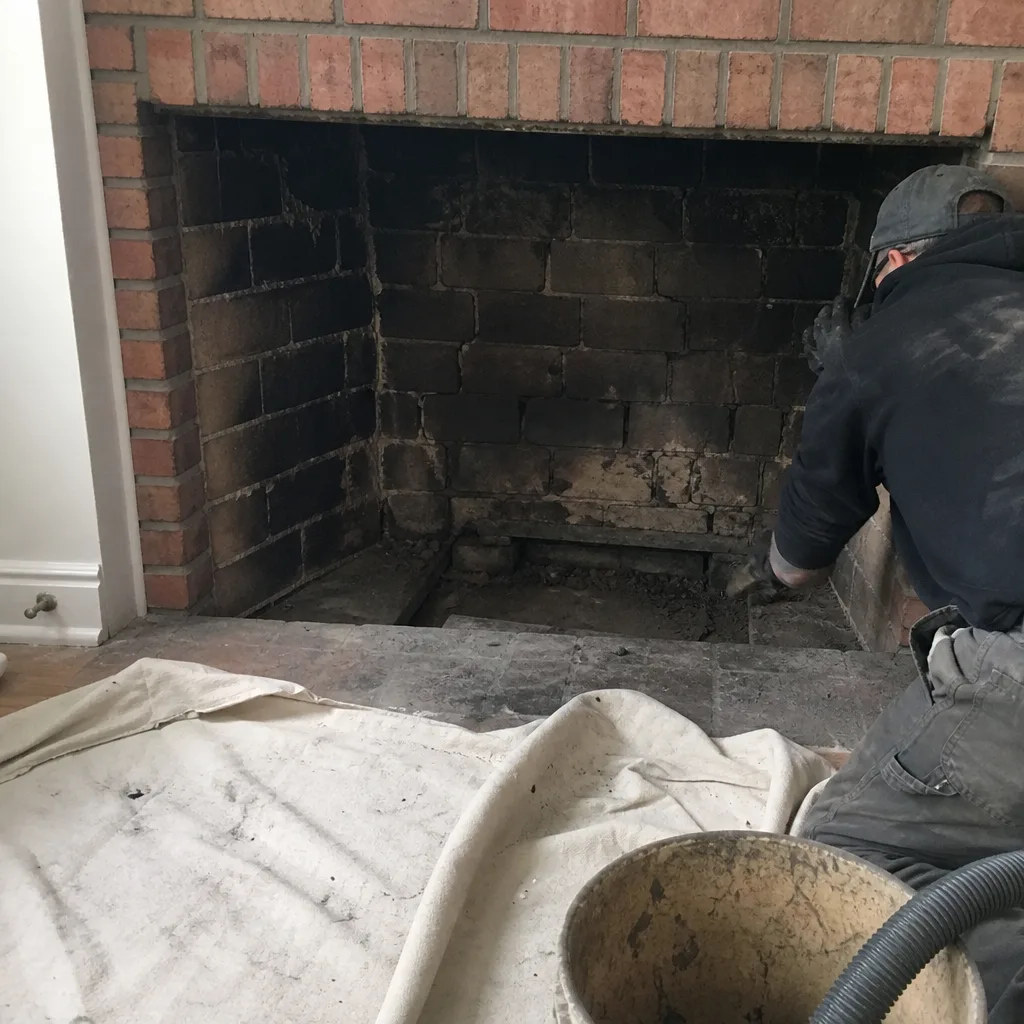 Before
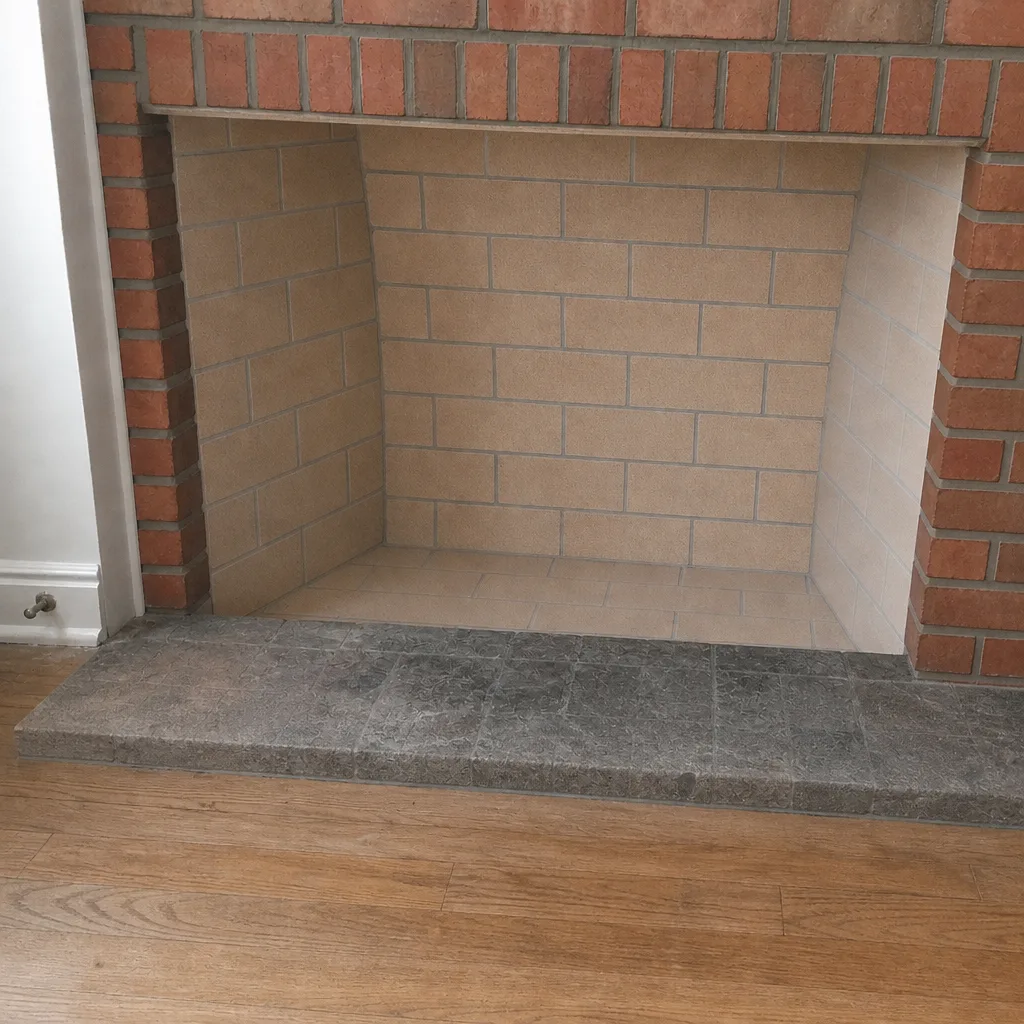 After
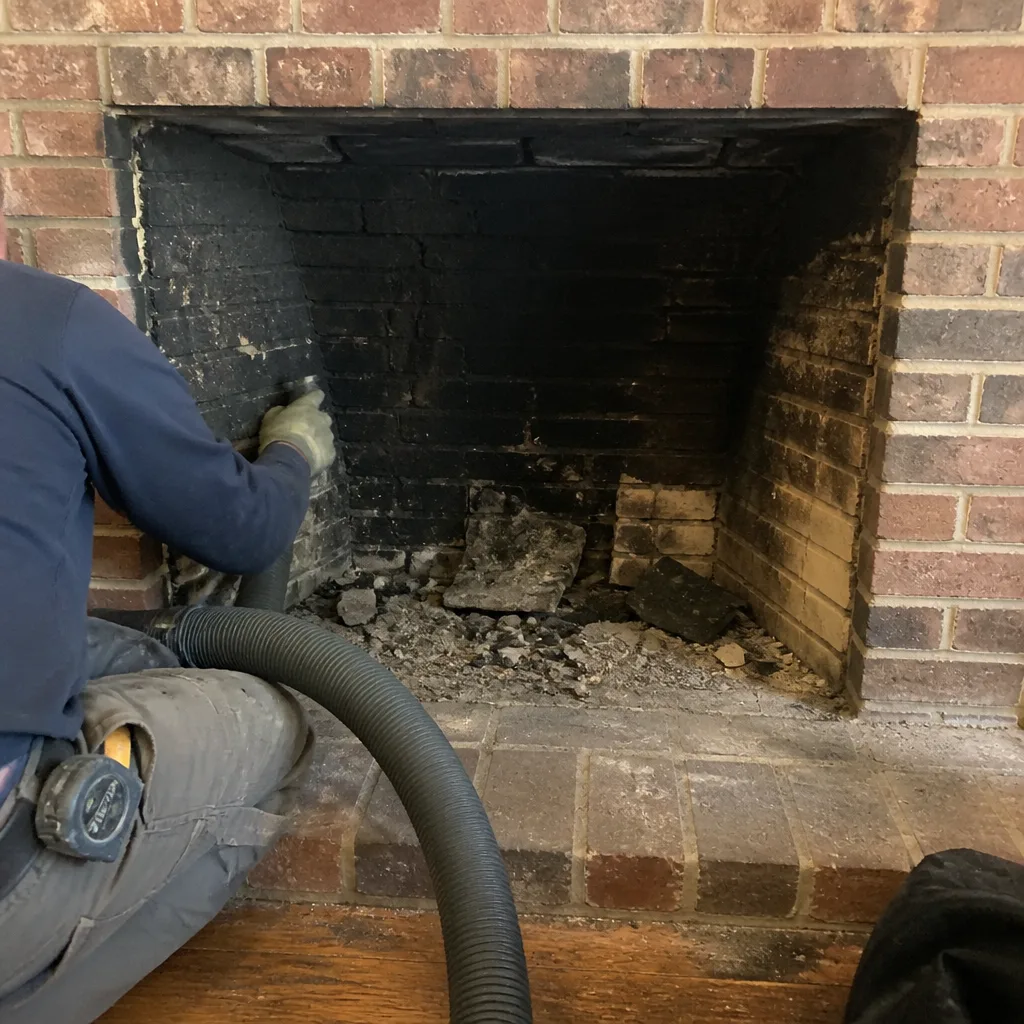 Before
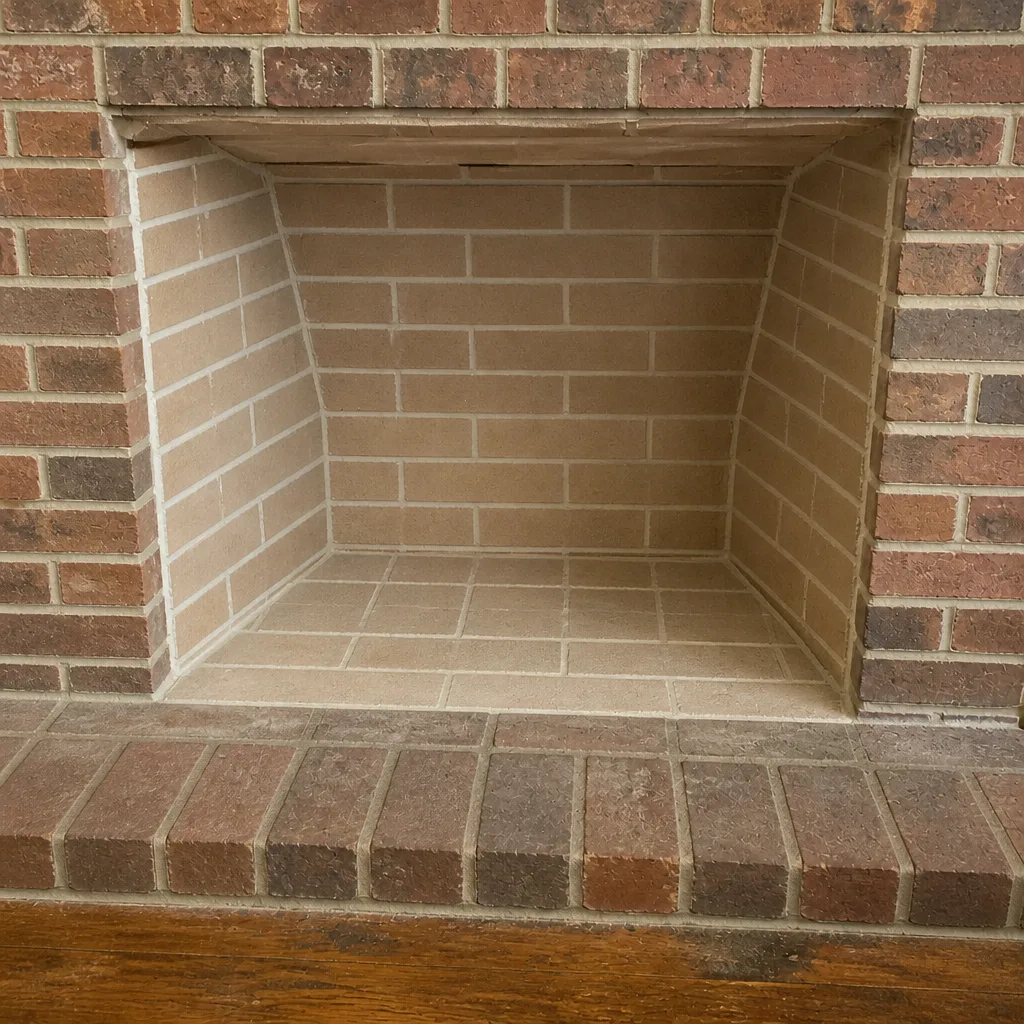 After
When to Call a Professional
Any sign that falls into the “stop using immediately” or “book within the week” categories above is a call to a professional. So is an annual inspection you’ve been putting off, a fireplace that hasn’t been checked in more than two years, or a home you’ve just bought where the chimney history is unknown. Those are the easy calls. The harder ones are the signs you’ve gotten used to living with, and those are exactly the ones worth calling about, because they tend to represent the leaks and failures that are quietly doing damage.
Elmhurst Chimney Sweep offers free estimates in Elmhurst. Call (844) 871-3169. We answer 24/7, and we schedule fast dispatch from 7am to 7pm, Sunday through Friday. Whether you’ve got efflorescence on the exterior and want to know what it means, or a rusted damper and want a straight answer about scope, that call is the right starting point. We tell you what your chimney actually needs, nothing more, nothing less.
Frequently Asked Questions
White staining on exterior brick is called efflorescence, and it means water has been moving through the masonry from the inside and evaporating at the surface, leaving mineral salts behind. The water is getting in somewhere; the usual sources are a cracked crown, a failed cap, or open mortar joints. Call (844) 871-3169 for an exact quote – estimates are free.
Yes, rust on firebox or damper components is a leading indicator of moisture intrusion, not just a cosmetic issue. The moisture that causes rust is the same moisture that damages the flue lining and can degrade the crown. If you’ve found rust, book an inspection to find the water source before it spreads. Call (844) 871-3169 for an exact quote – estimates are free.
A musty smell from a dormant fireplace usually means moisture has entered the flue or firebox, and the soot and creosote residue in the flue are amplifying the smell. The source is often a missing cap or a crown that’s no longer shedding water. An inspection locates the leak. Call (844) 871-3169 for an exact quote – estimates are free.
Popping during a fire can mean small chimney fire events are happening in built-up creosote, and hissing usually means moisture is present somewhere in the system. Either one is a reason to stop using the fireplace and book an inspection before the next fire. Call (844) 871-3169 for an exact quote – estimates are free.
An annual inspection is the right cadence for most homes with an active fireplace, and an inspection every two years is reasonable for a dormant fireplace. Elmhurst winters put the chimney through repeated freeze-thaw cycles, and the biggest exterior damage happens over that stretch, so fall timing is well worth it. Call (844) 871-3169 for an exact quote – estimates are free.
A homeowner can sweep a chimney in principle, but a sweep without a camera inspection means the actual state of the flue is unknown. Liner breaches, standing creosote, and gap problems only show up on a camera. A professional visit covers the whole system, not just the cleaning. Call (844) 871-3169 for an exact quote – estimates are free.
The Bottom Line
The warning signs worth watching for are the subtle ones: white efflorescence on the exterior, rust on the firebox, a draft that isn’t what it used to be, a musty smell in summer, and any unusual sound from the chimney during a fire. Each of these points to a specific failure mechanism, and once you know the mechanism, you can gauge urgency properly. Exterior moisture signs like efflorescence and corbel separation can typically be scheduled. Rust, musty smells, and draft problems belong in the same-week category. Sounds and visible smoke warrant stopping use immediately. From the crown down to the firebox, the system is connected, and treating any single sign as an isolated curiosity is how a small fix grows into a bigger one. Our team at Elmhurst Chimney Sweep uses the same professional-grade materials the trade relies on, including DuraFlex and Gelco, and we work from inspection through repair to keep the whole system in one specialist’s hands. A clean chimney is a safe chimney, and we’re here to keep it that way.
Written by the team at Elmhurst Chimney Sweep.