
Last updated November 22, 2026
 Sweep & inspection
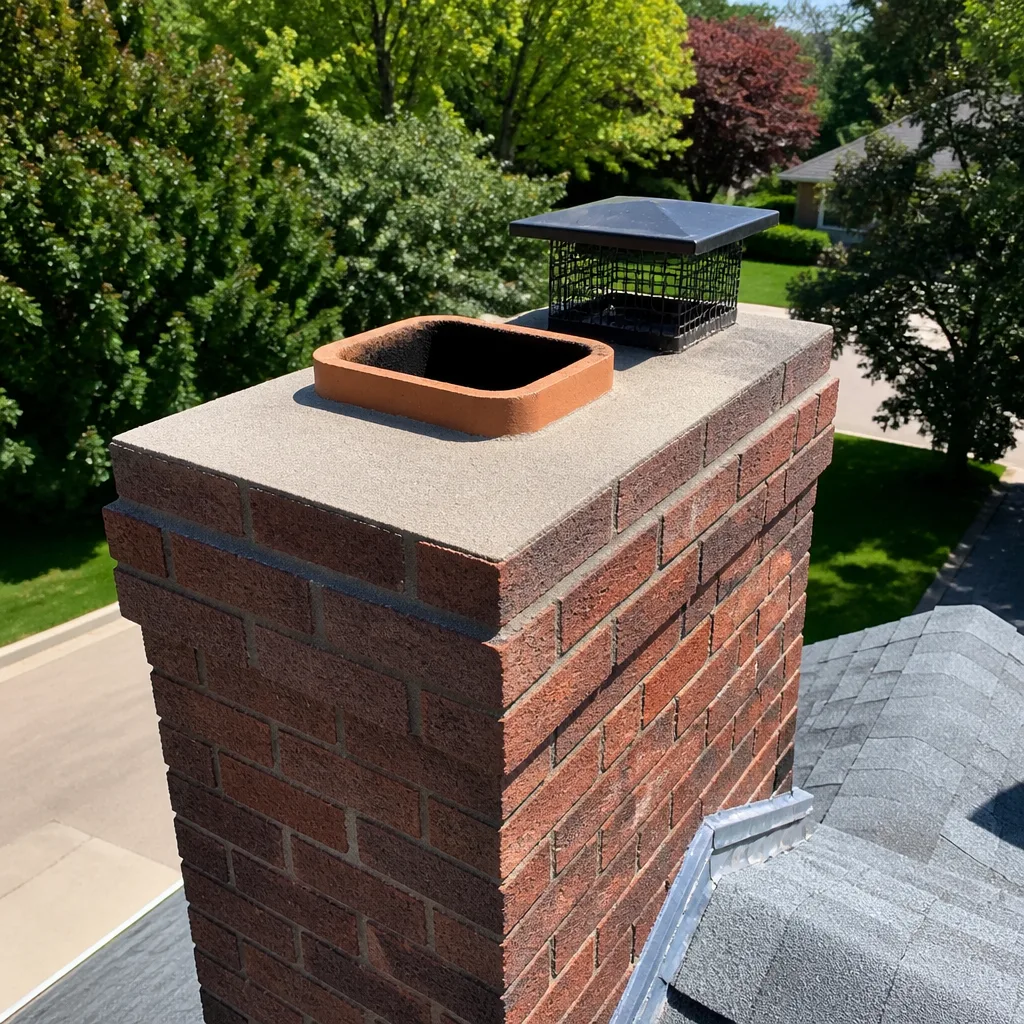
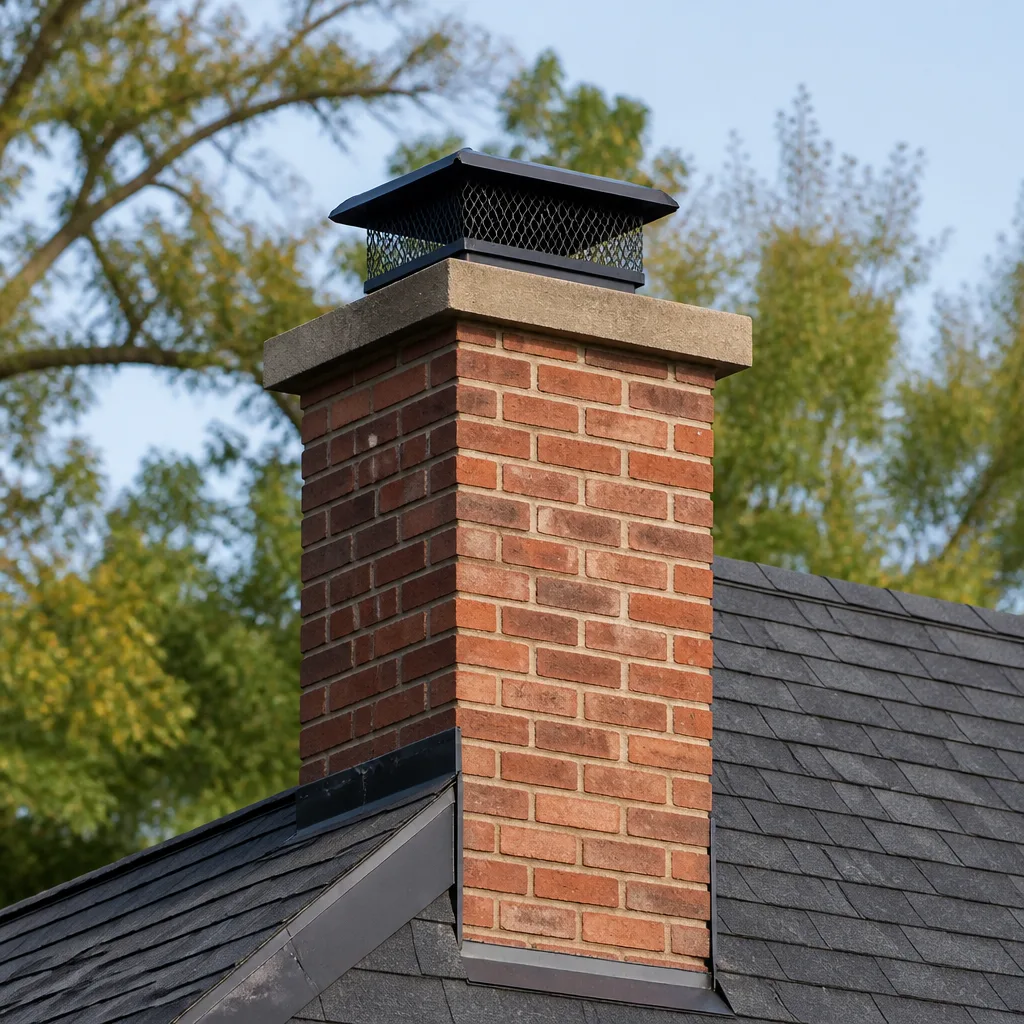 Caps & crowns
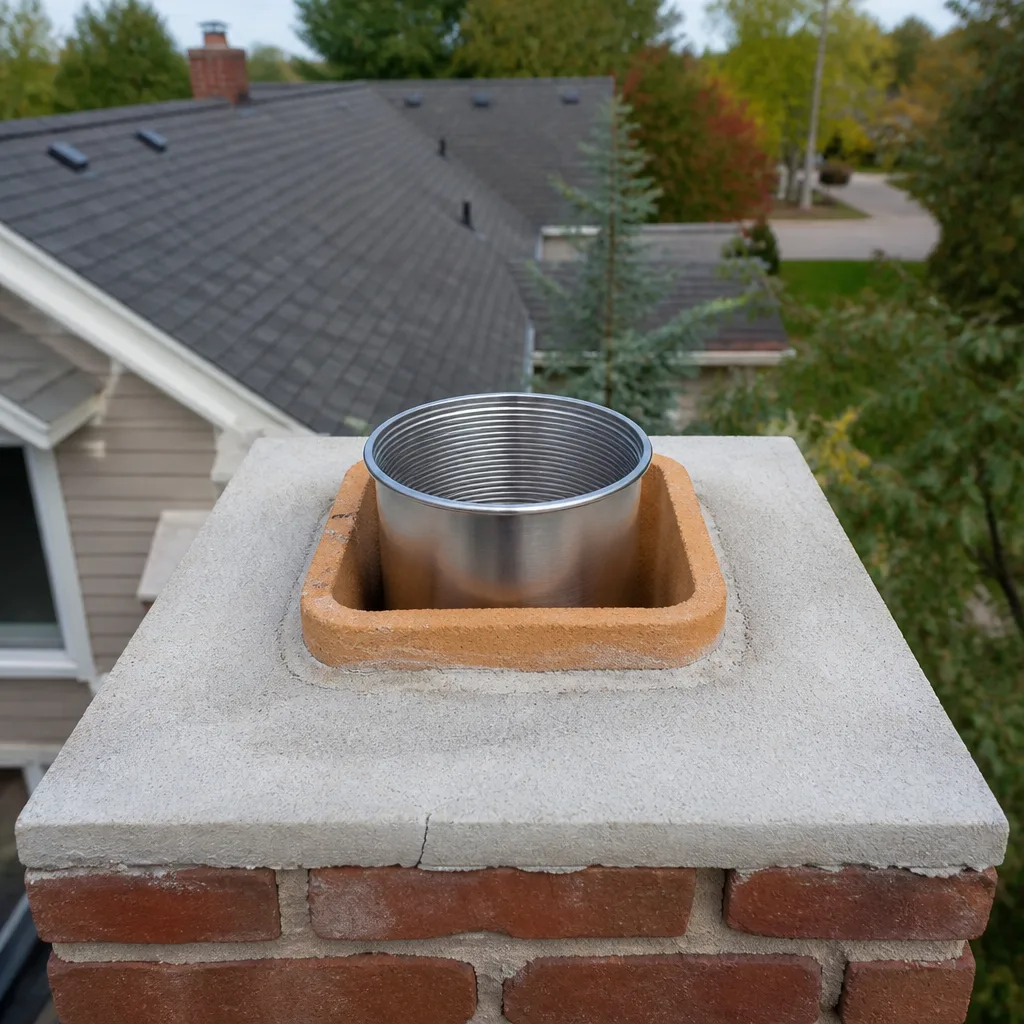 Flue relining
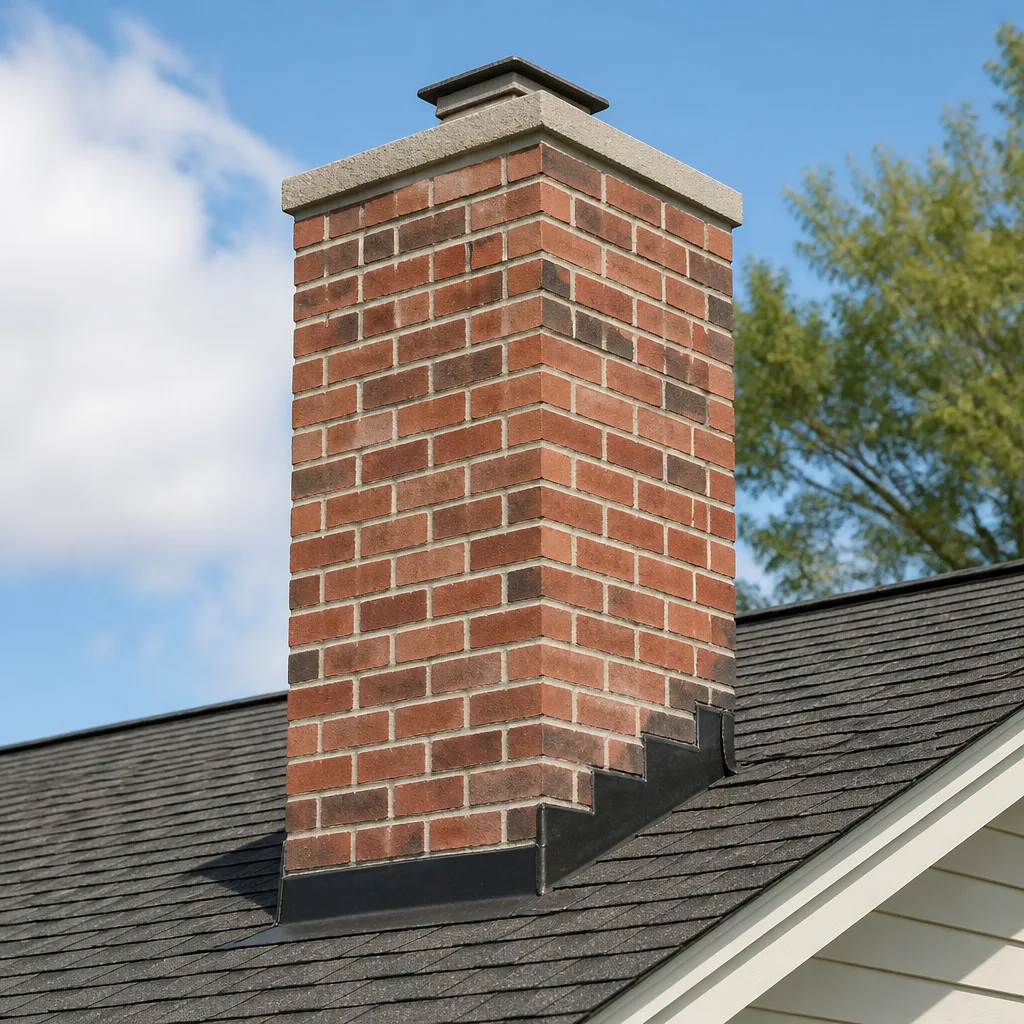 Masonry repair
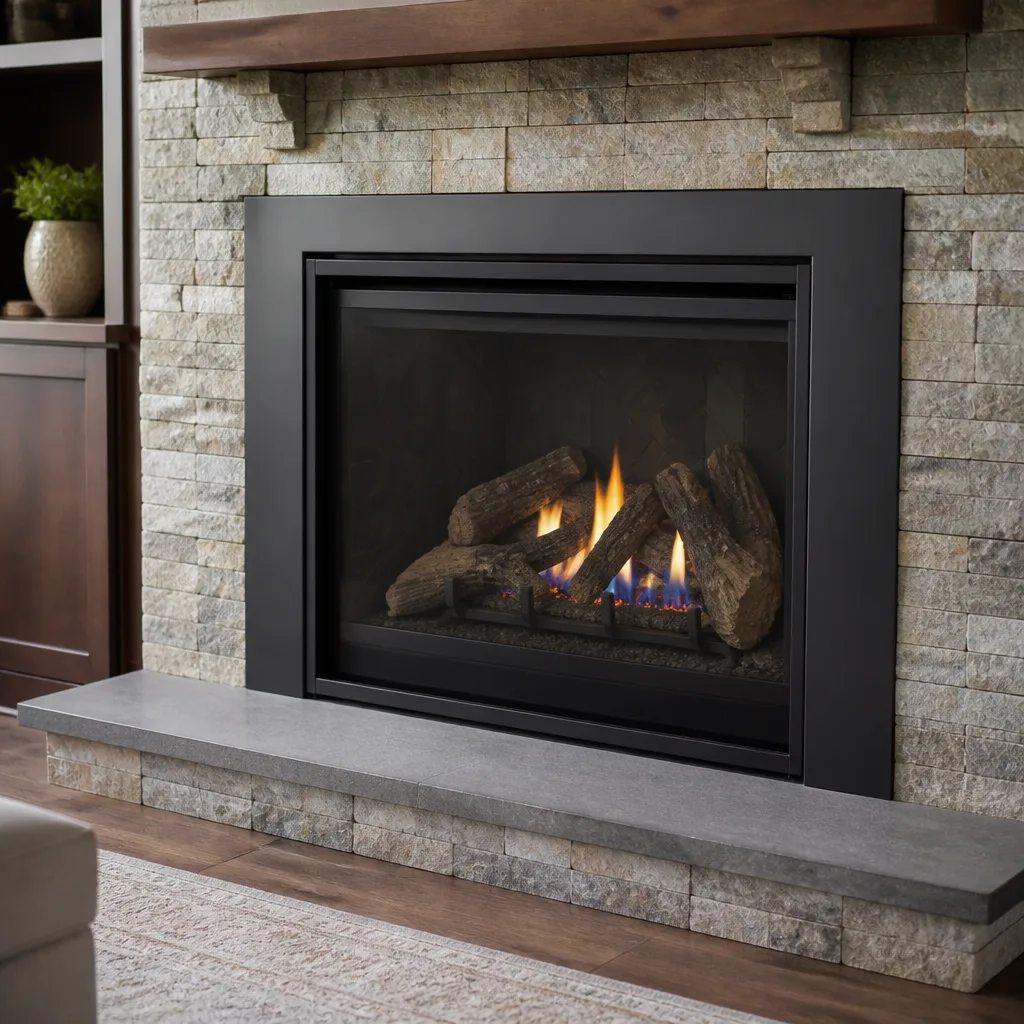 Gas fireplace service
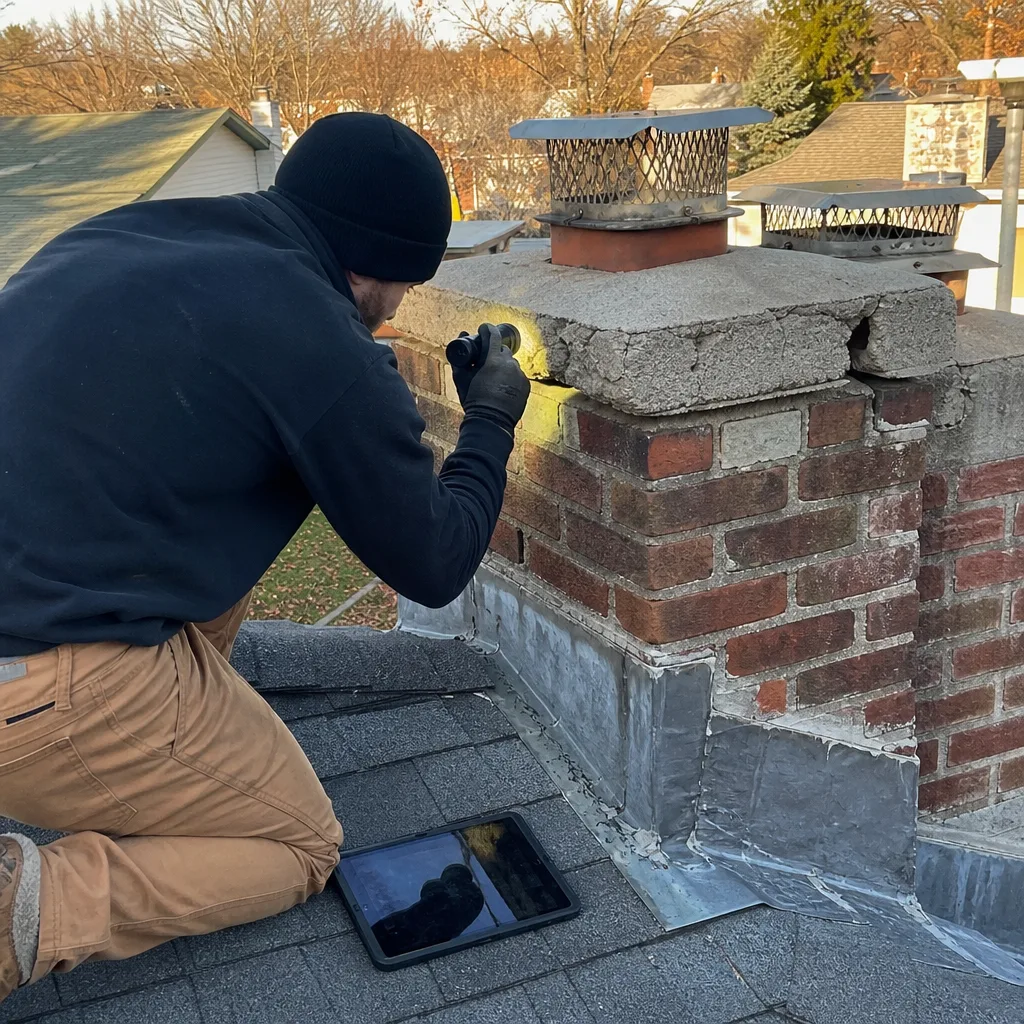
Level 1 sweep and inspection to the NFPA 211 annual standard - flue, crown, cap, and flashing checked and photographed
Chimney sweep logs do not sweep chimneys. They loosen some creosote - which then falls where a brush and vacuum still have to collect it.
The Complete Guide to Chimney Cleaning in Elmhurst
Most chimney fires we hear about don’t start in flues that were never cleaned. They start in flues that were cleaned badly. A brush run up and down the pipe feels like the whole job, and plenty of homeowners pay for exactly that and assume they’re protected. But a sweep without a camera inspection, without a proper smoke-draw test afterward, and without a written report is half a service. The dangerous part is that it looks finished when it isn’t. This guide walks through every step a thorough cleaning in Elmhurst actually involves, so you can tell the difference between a job done and a job performed.
Quick Answer
A complete chimney cleaning in Elmhurst is a system of steps, not a single action: inspection first, then the right removal method for the type of creosote present, then a smoke-draw test to confirm the flue still vents correctly, then a documented report of what was found and done. Skipping any one of those steps can leave residue, a hidden crack, or a draft problem behind, which means the cleaning you paid for doesn’t fully protect the home. Call (844) 871-3169 if you want the full process explained before you book.
Styles & brands we work with
- Sweep & inspection
- Caps & crowns
- Flue relining
- Masonry repair
- Gas fireplace service
Table of Contents
- What a Level 1 Inspection During Routine Cleaning Actually Examines
- The Row-House Factor: Why Elmhurst Construction Changes the Job
- The Three Degrees of Creosote and Why Each Needs a Different Method
- The Post-Cleaning Smoke-Draw Test and Why It Matters
- How to Read a Cleaning Report and What You Should Walk Away With
- How to Choose a Chimney Sweep in Elmhurst
- What Chimney Cleaning Costs in Elmhurst
- How Often Should Your Chimney Be Cleaned?
What a Level 1 Inspection During Routine Cleaning Actually Examines
Every routine cleaning should begin with a Level 1 inspection, and the word “level” means something specific in this trade. A Level 1 is the baseline visual check done on an accessible chimney with no known problems, and it happens every time a technician sweeps. It isn’t a sales pitch for a bigger inspection. It’s the step that tells the technician what he’s actually dealing with before the brush ever goes up.
Here’s what a proper Level 1 covers during a routine cleaning in Elmhurst:
- The firebox and damper. Cracks in the firebox brick, a damper that won’t open fully, or soot patterns that suggest poor airflow are all visible from here.
- The smoke chamber. This sloped area above the damper collects creosote and is easy to skip because it’s out of easy view. A thorough check looks at it directly.
- The flue interior. The technician looks up the flue for obvious obstructions, heavy glaze, or signs of a damaged liner. A camera confirms what the eye can’t reach.
- The crown and cap. A cracked crown lets water in. A missing or damaged cap lets birds and rain in. Both get noted.
- The exterior. Brickwork, flashing, and the area where the chimney meets the roof, checked from the roof or ground where accessible.
What cut-rate sweeps skip is usually the camera. A brush run without video only sees as far as the technician can crane his neck, and most of the flue is beyond that. Without a camera, a hairline crack, a gap in a liner joint, or a nest built into an offset goes unnoticed. That’s the difference between the cleaning being done and the cleaning being complete. We tell you what your chimney actually needs, and we show you the camera evidence behind it, nothing more and nothing less. If you’d like the inspection side detailed on its own, the Elmhurst Chimney Sweep service page covers what each level involves.
The Row-House Factor: Why Elmhurst Construction Changes the Job
Elmhurst is dense. Attached houses, semi-detached homes, and narrow-lot row houses make up a big share of the housing stock, and that changes how a chimney cleaning is done. In a freestanding suburban house, a technician can usually reach the flue directly from the roof and the work is straightforward. In an attached Elmhurst home, the chimney often isn’t a simple vertical pipe. It may share a masonry stack with a neighbor, include an offset where the flue jogs sideways to route around the structure, or vent through a chase tucked against the party wall.
The practical consequences for cleaning:
- Offsets collect differently. Every time the flue changes direction, creosote can settle on the ledge inside the offset. A straight brush passes right over it. The technician needs the right brush size plus camera confirmation that the offset is actually clean.
- Shared stacks require care. In a shared masonry chimney, a technician sweeps one flue at a time and must be sure nothing dislodged from one side finds its way into the other. It’s a slower, more deliberate process than people expect.
- Rooftop access is tighter. Narrow gaps between attached homes mean ladders and equipment placement need more thought. A technician who’s used to working in Elmhurst knows to plan for it rather than discover it up top.
- Age and wear show up differently. The older brick in many Elmhurst homes, combined with decades of freeze-thaw cycles, makes the crown and exterior mortar worth checking on every visit. Water is the quiet destroyer of masonry, and an inland climate like ours delivers plenty of it through our wet winters and humid summers.
None of this makes an Elmhurst chimney harder to clean in principle. It makes it easier to clean incompletely. The chimney sweep visit on an attached home should always include the camera run through any offset, and if your sweep doesn’t mention an offset one exists, that’s a sign the flue was never fully surveyed. You can also see the full scope of what a sweep visit covers on our service page.
The Three Degrees of Creosote and Why Each Needs a Different Method
Creosote is the residue left behind when wood smoke cools on the inside of the flue, and it forms in three distinct degrees. Each one calls for a different removal method, and the difference matters because the wrong method either leaves the dangerous layer in place or damages the liner while trying to remove it. A stiffer brush is not the answer to every deposit.
| Degree | What it looks like | Removal method |
|---|---|---|
| First degree | Flaky, sooty, light dust that brushes off easily | Standard poly brush and vacuum |
| Second degree | Sticky, hardened flakes that cling to the flue walls | Rotary brush with appropriate head, sometimes a chemical treatment to soften before brushing |
| Third degree | Glazed, hardened, tar-like coating fused to the liner | Mechanical removal with rotary equipment, and on masonry, refractory resurfacing like HeatShield ceramic when the liner itself is compromised |
First-degree creosote is what most homes with regular cleaning show. It’s normal and easily removed. Second-degree builds when the fire runs cool or the wood is green, and it needs rotary work to break it loose properly. Third-degree is the one that should make everyone pay attention: glazed, hardened, and the highest-risk fuel for a chimney fire. It rarely brushes out because it isn’t dust. It’s essentially tar bonded to the surface.
That’s where the professional-grade materials matter. We use HeatShield ceramic resurfacing to restore compromised flue interiors, and DuraFlex liner systems when the flue needs full relining to restore safe draft and fire containment. Those are the same professional materials certified chimney specialists rely on, not a hardware-store patch job. If you re-glaze quickly after a cleaning, the fix isn’t a stiffer brush. It’s addressing why the flue is running cool: unseasoned wood, restricted draft, or a liner that’s no longer doing its job. Whitish wood, brisk fires, and a flue that drafts correctly are the practical ways to avoid third-degree build-up in the first place. If you suspect glazed residue, a camera-confirmed assessment is the only reliable way to know, and that’s part of any visit we quote.
The Post-Cleaning Smoke-Draw Test and Why It Matters
Here’s the step that most separates a complete cleaning from a partial one: the smoke-draw test. After a sweep, the technician should light a small, controlled test fire or use a smoke-generating method to confirm the firebox and flue actually pull smoke up and out rather than into the room. It takes minutes. It’s what confirms the cleaning fixed the venting rather than simply removing visible soot.
Why it matters in a house with any draft sensitivity:
- It confirms the flue is clear end to end. A brush can pass but dislodged material can still be caught somewhere, especially in an offset. The smoke test reveals the symptom if it is.
- It catches pressure and draft problems. A tight, well-sealed older home can have negative pressure that pulls smoke back. So can a flue that’s too cold or too short for the appliance connected to it. A sweep can’t fix negative pressure by brushing, but the test tells you it’s happening.
- It protects you from the hidden defect. A cracked liner or gap in a joint can interrupt the draft path. Without the smoke test after cleaning, you might not notice until smoke comes into the room during the next fire.
- It closes the loop. A cleaning that changed the flue interior should be verified. The smoke-draw test is that verification.
You can ask for it by name: “Do you do a smoke-draw test after the sweep?” Any competent specialist will say yes. One who says it isn’t necessary is telling you something about how thorough the rest of the job is too. If the test reveals a problem, we explain it with the camera evidence in hand, and we tell you honestly when a repair can safely wait.
How to Read a Cleaning Report and What You Should Walk Away With
When a cleaning is finished, you should leave with a written report, not just a verbal “all good.” The report is your record of what condition the chimney was in and what was done. It becomes the baseline against which the next cleaning is compared, which makes it genuinely useful three or four years down the road. Here’s what a proper report from a cleaning in Elmhurst should contain:
- Date and scope of service. What was cleaned and what wasn’t, stated plainly so there’s no ambiguity later.
- Inspection findings. Condition of firebox, damper, smoke chamber, flue, crown, cap, and exterior masonry, even if the answer is “no defects noted.”
- Creosote assessment. The degree observed and the method used to remove it. This tells the next technician a lot about how the fireplace has been run.
- Photos or camera notes. A photo of a clean flue interior and any area of concern is worth more than a paragraph describing it. If a repair is recommended, the report should show why.
- Recommendations and next-service interval. When to schedule the next cleaning, plus any items that need attention and which of those can wait.
Read the report before the technician leaves, not after. If a liner replacement or major masonry repair is recommended, ask to see the camera image or photo that supports it. You’re not being difficult. You’re confirming the recommendation is based on evidence you can look at yourself. A specialist who has nothing to hide will happily show it. For larger structural work flagged in the report, the chimney repair page explains the range of repairs we handle so you know what you may be looking at before you decide.
How to Choose a Chimney Sweep in Elmhurst
The best way to know you’ll get a complete cleaning is to choose the right person to perform it. Market pricing for a basic sweep in the area is broad, which means the low sticker price often reflects the two or three steps that were cut to reach it. Here’s what to weigh instead of the headline price:
- Ask whether a camera inspection is included. It’s the single best question to sort a comprehensive job from a brush-only one.
- Ask whether a post-cleaning smoke-draw test is standard. If it’s not offered, the process is incomplete.
- Confirm your written estimate up front. The price should be set before work begins. Watch for the “extra cost” discovered mid-job.
- Check that the local pro is licensed and insured as their state requires. Insurance covers you if something is damaged during the work; a specialist will have it and shouldn’t hesitate to say so.
- Ask what materials they use. A specialist will name actual brands built for chimney work, not generic hardware. Ours include Gelco and Olympia Chimney for caps and crowns, and HeatShield for flue resurfacing.
- Look for a chimney-only shop. A handyman who also does chimneys has fewer tools and less routine practice than a specialist. Every service we offer, from a cap to a liner, falls within a single focused trade.
We’re a chimney and fireplace specialist, not a general contractor who added sweeping to the menu. That means the person who finds the problem during an inspection is the person who can resolve it, whether that’s a cap and crown repair, a liner, or firebox work. You can look at the chimney cap & crown work as an example of the range. Our technicians have up to 9 years of experience. Call (844) 871-3169 to talk through your chimney before you book, and bring the question of whether a camera inspection is included.
What Chimney Cleaning Costs in Elmhurst
A standard chimney cleaning in Elmhurst is a modest line item compared to what skipping it can cost. Because pricing is set per job by a written estimate, we don’t publish a fixed price for every home, but the ranges below describe what composes the total. The written estimate you receive before work begins is the final word. Get that estimate in hand before anyone starts.
- Routine sweep (first-degree creosote, standard flue): the base cleaning, inspection, and report.
- Sweep with camera inspection and smoke-draw test: the complete version of the job above, and the one that tells you whether anything is wrong.
- Second-degree creosote removal: rotary work beyond a standard brush.
- Third-degree removal and refractory resurfacing: a repair-tier job, which is where HeatShield ceramic capability comes in.
- Caps and crowns: replacement or installation where the report shows damage. A missing cap is cheaper to fix than the water damage it allows.
Because costs vary with the number of flues, the creosote degree, and whether an offset needs camera work, an estimate depends on the chimney itself. What we can promise is a written price before anything starts, a camera inspection that reveals problems, and a report you keep. That’s the structure that makes comparing quotes honest. If a second sweep quotes you a much lower price, ask what’s included and whether the smoke-draw test is part of it, because it’s often what’s missing. To get your specific number, call (844) 871-3169 for a free estimate. We answer 24/7, and we dispatch Sunday through Friday, 7am to 7pm.
How Often Should Your Chimney Be Cleaned?
The general rule among chimney professionals is once a year for a home that uses the fireplace regularly, and more often if the fire is run heavily or the wood is unseasoned. For most Elmhurst households burning through the colder months, an annual sweep and inspection catches creosote at the first degree before it can progress, and gives you a yearly look at the crown and masonry. Catching a hairline crown crack in autumn is far cheaper than patching a roofline in spring.
There are times to clean more often than once a year:
- Burning wood that wasn’t seasoned for long enough, which builds second-degree creosote faster.
- Any smoky fire, backdraft, or smoke that rolls into the room, which suggests draft trouble worth investigating sooner.
- A flue that hasn’t been used in a long time and is being brought back into service. A bird or animal nest doesn’t announce its presence.
- After any change to the chimney itself, whether a cap, a crown repair, or a new liner. The follow-up sweep confirms the fix holds.
The report from the last cleaning tells you when the next one is due. Use it. A home that gets cleaned on the schedule the report recommends avoids the worst-case scenario of creosote building to a glaze. A clean chimney is a safe chimney, and we make sure you have both by watching the intervals as closely as we watch the flue.
Common Mistakes to Avoid
- Paying for a brush-only sweep. If there’s no camera inspection and no smoke-draw test, the job is incomplete even when it looks done. The flue can be dirty above where the brush passed, and you’d never know without the camera.
- Skipping the offset on an attached Elmhurst home. Offset flues and shared masonry stacks collect creosote in places a straight brush won’t reach. A sweep here that doesn’t account for that construction is leaving residue behind.
- Burning unseasoned wood to save a few dollars. Green wood runs cool and builds sticky second-degree creosote that’s harder to remove and more dangerous. Seasoned firewood burns cleaner and your flue stays cleaner.
- Never getting the report. A verbal “everything’s fine” leaves you with nothing to compare against next year, and no record if a repair comes up later. Ask for the written report every time.
- Ignoring the crown and cap. A missing cap lets in birds and rain; a cracked crown lets water soak the masonry. Both are small fixes that spiral into large repairs when left. This is the most common thing we see flagged and then ignored.
- Letting a glazed flue wait another season. Third-degree creosote doesn’t improve on its own. Once it’s glazed, professional removal and, where needed, resurfacing is the fix. Another brush without a real method won’t solve it.
- Trusting a price with “surprise” add-ons. A written estimate before work begins and an explanation of anything found mid-job protects you. If the number changes after the start, ask to see the camera evidence before agreeing to anything.
See the difference
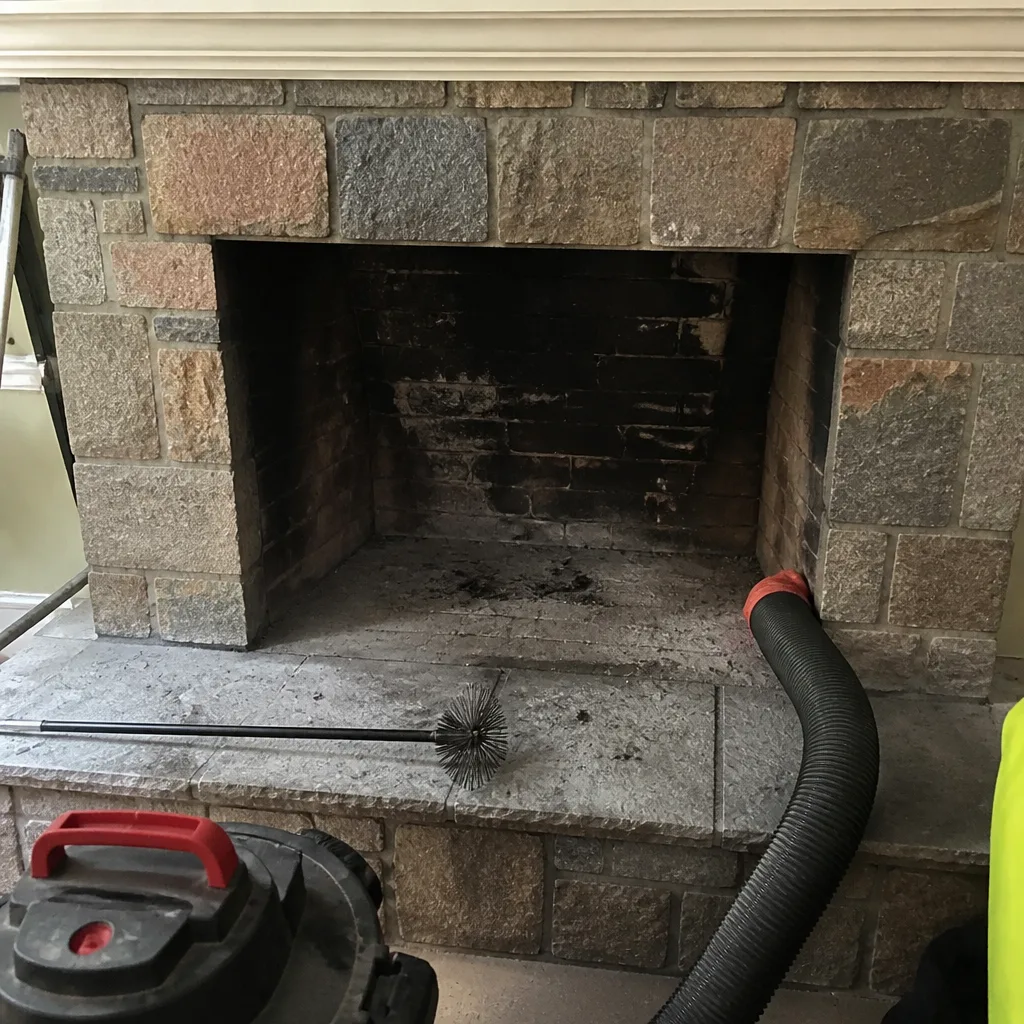 Before
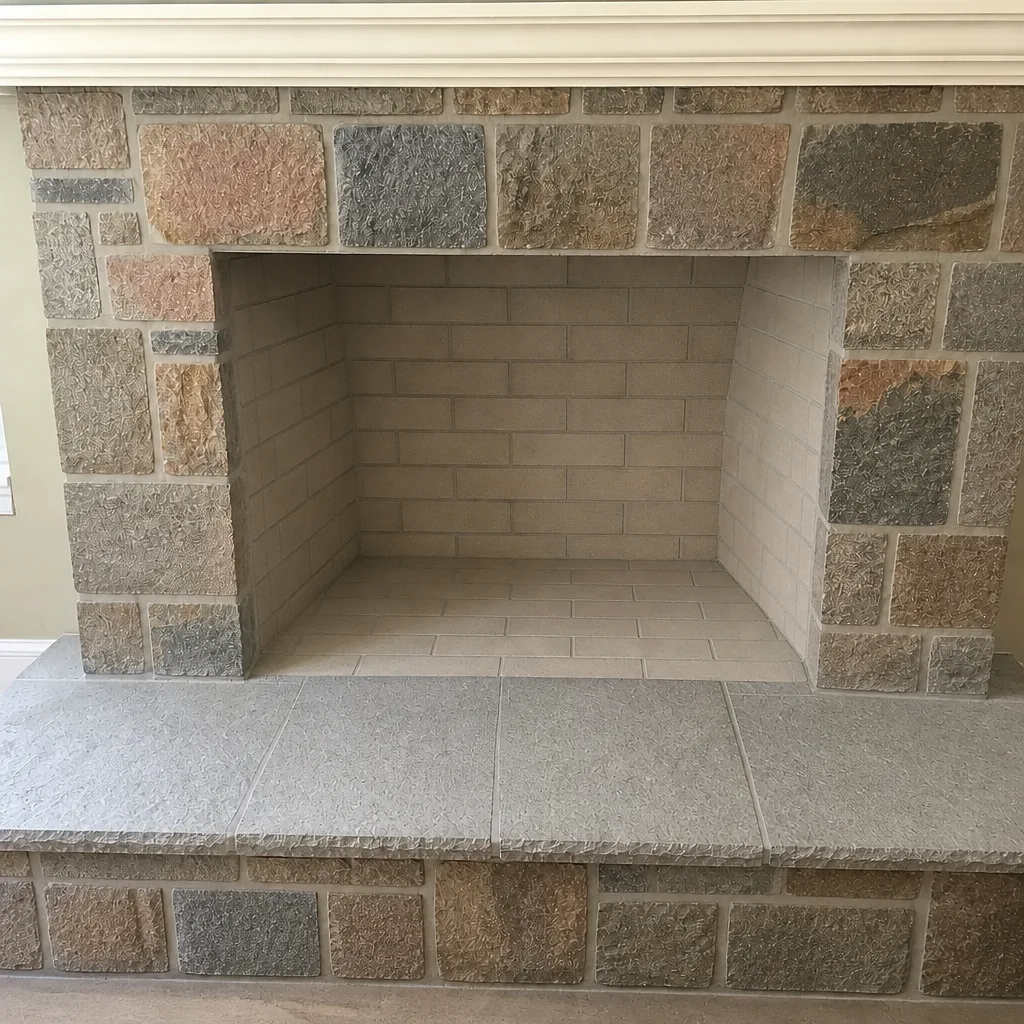 After
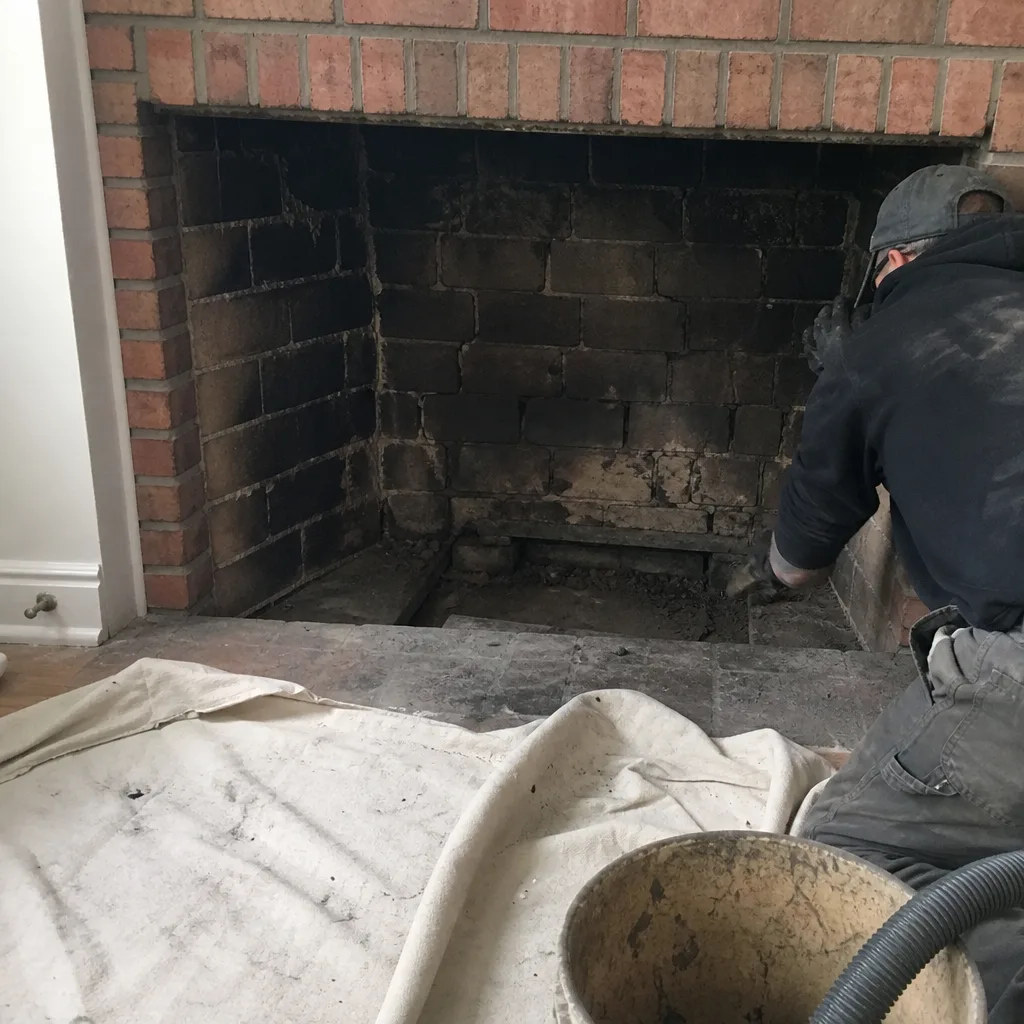 Before
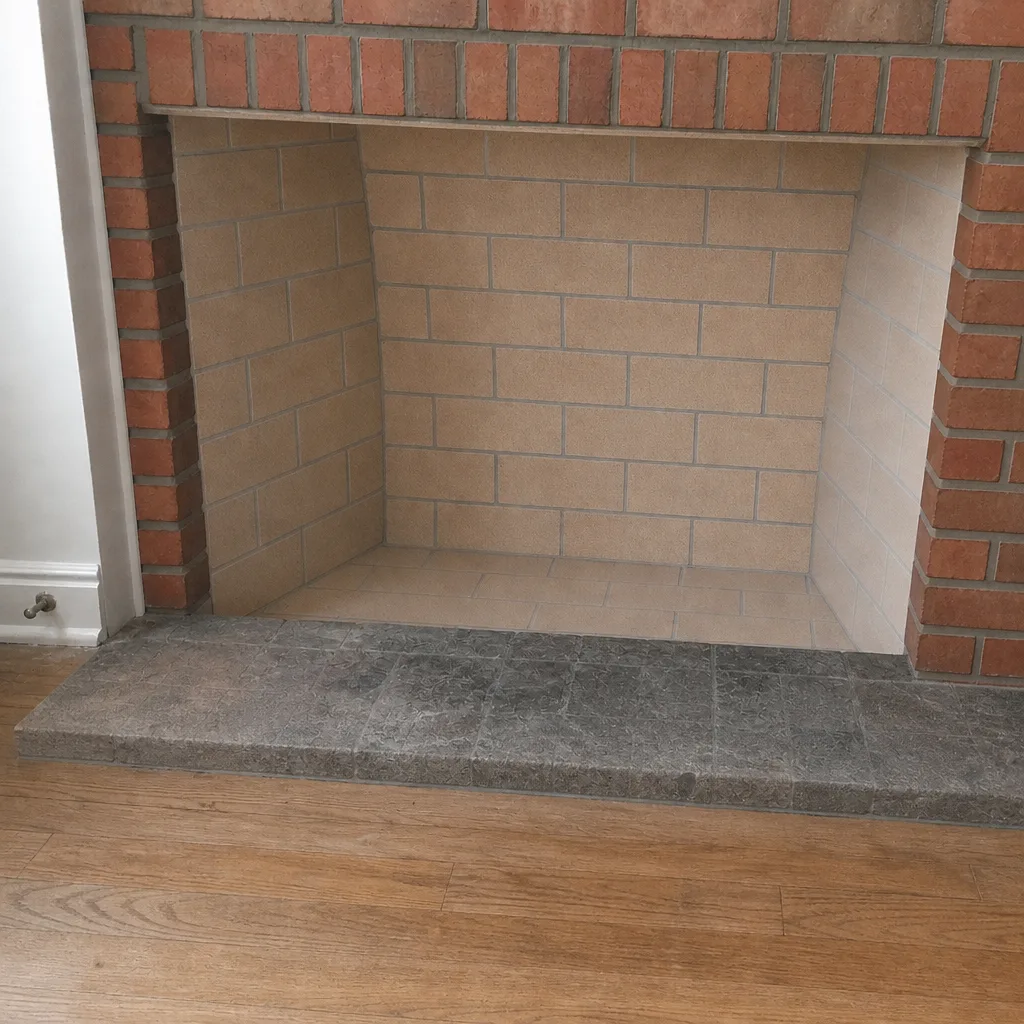 After
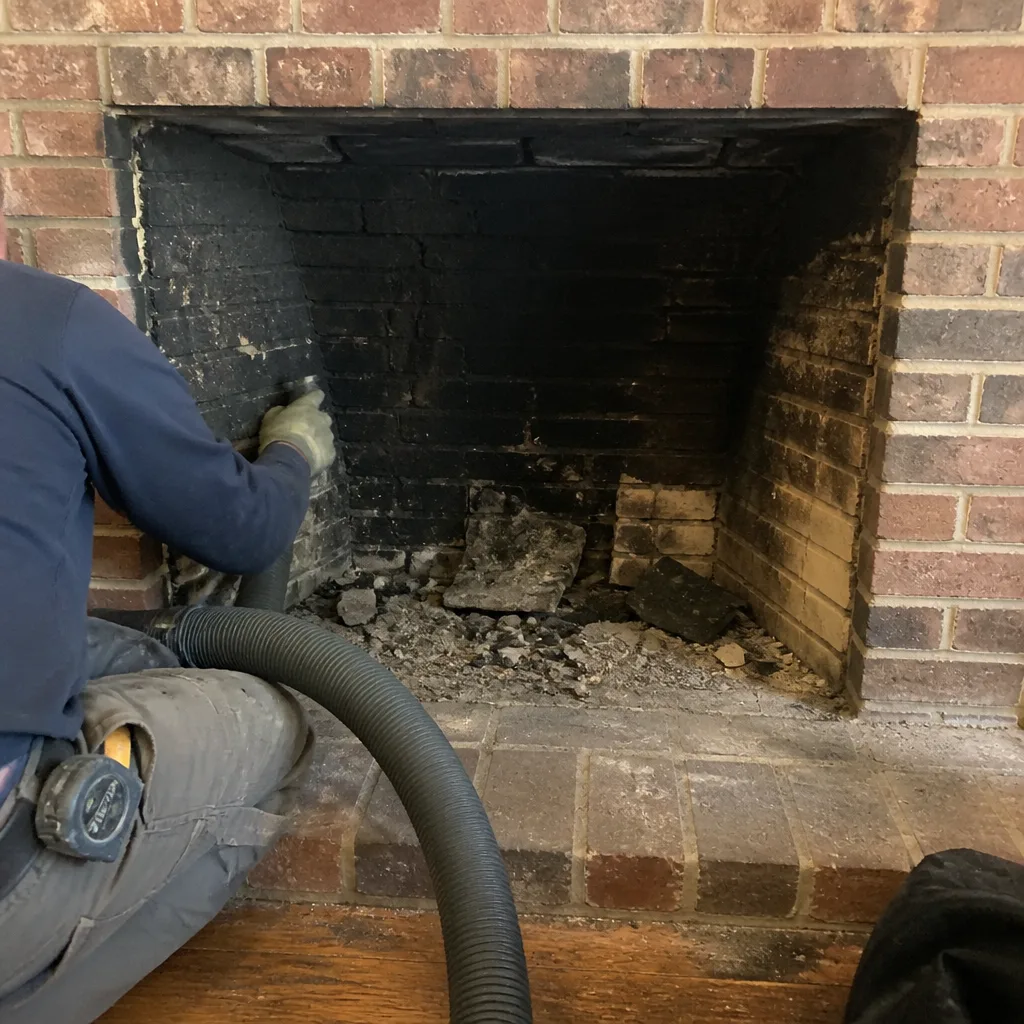 Before
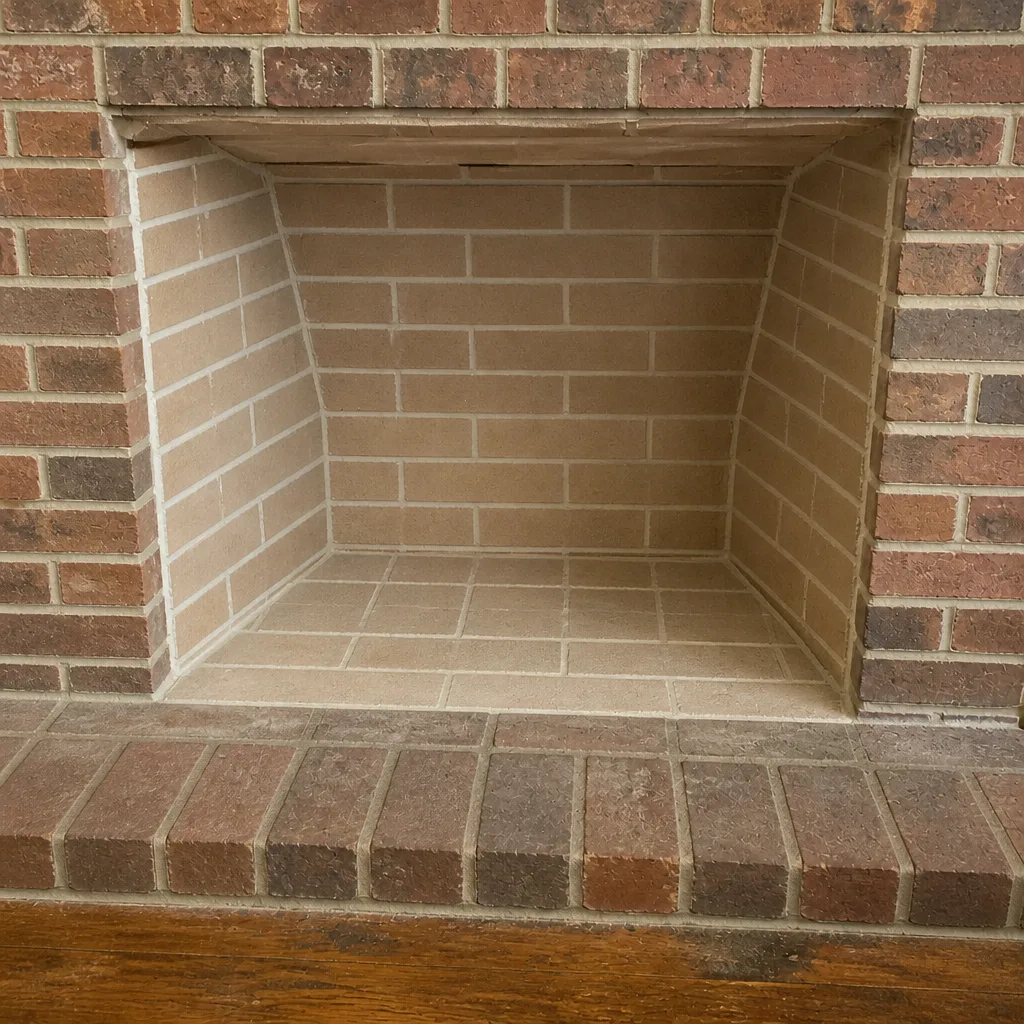 After
When to Call a Professional
Some problems shouldn’t wait for the next scheduled sweep. Call a specialist when smoke rolls into the room instead of up the flue, when the fire burns dull and won’t draw, when you can see heavy soot or tar at the firebox, or when a strong chimney odor persists in warm weather. Those are draft and build-up signals that a cleaning doesn’t fix by itself. Call after any chimney fire, even a small one you managed to stop: heat can crack the liner or damage the firebox in ways that aren’t visible from the hearth. Also call if your home is newly bought and you don’t have a cleaning record, or if the last report flagged a crack, crown or liner problem. In each case we recommend a camera-confirmed assessment. Elmhurst Chimney Sweep offers free estimates in Elmhurst, and you can call (844) 871-3169 to book one.
Frequently Asked Questions
It depends on the flue, the type of creosote, and whether camera inspection and a smoke-draw test are included, which is why we set a written estimate per job instead of a flat number. The written estimate is the final price. Call (844) 871-3169 for an exact quote, and the estimate itself is free.
Only if the camera shows the existing liner is cracked, gapped, or otherwise failing to contain the fire and direct the draft. Many chimneys don’t need one, and when a liner is recommended it should always come with the photo or camera footage that justifies it. If we recommend a DuraFlex relining, you’ll see why before you decide. Call (844) 871-3169 to schedule the inspection that answers the question.
Once a year for a fireplace in regular use, and more often if the wood is unseasoned or the fire runs heavily. Your last cleaning report should recommend a next-service interval. If you don’t have a report, start with an annual sweep and see what the camera shows. Call (844) 871-3169 to book that first visit.
Creosote keeps building, and once it reaches the glazed third degree it’s a serious chimney fire risk. A home that skips a season often also misses a developing crown or liner problem that’s cheap early and costly late. We’d rather find it in autumn than after winter. A cleaning plus camera evidence is the way to know. Call (844) 871-3169 for a free estimate.
Yes, a post-cleaning smoke-draw test is part of the service, because it confirms the flue vents correctly and no dislodged material is caught in an offset. If the test shows a problem, we explain what it is and whether the fix is immediate or can wait. You can ask for it by name when you book, and call (844) 871-3169 with any question about what’s included.
Yes, and that construction is one reason the camera inspection matters here. Attached homes often have offset flues and shared masonry stacks where creosote hides beyond a brush’s reach. We plan the sweep around that layout rather than treating every chimney as a straight vertical pipe. We answer 24/7, and we can talk through what your specific house needs; call (844) 871-3169 for a free estimate.
The Bottom Line
Chimney cleaning in Elmhurst is a sequence, not a service in itself. The inspection shows what’s there, the method matches the creosote degree, the smoke-draw test confirms the flue works after the sweep, and the written report turns a single visit into a record that helps for years. Miss any one of those and the cleaning delivers less than you paid for. A brush run alone isn’t the job. A chimney specialist is the one who tells you plainly what your chimney actually needs, shows you the evidence, and only recommends repair when the camera backs it up. That’s the standard to hold any sweep to, and it’s the one we hold ourselves to.
Elmhurst Chimney Sweep covers the full system: inspection, cleaning, chimney cap & crown work, repair, and firebox care, with the professional brands DuraFlex, HeatShield, Gelco, Olympia Chimney, Famco, and Copperfield behind the work. If you’d like to book a cleaning or get a straight answer about your flue, call (844) 871-3169 for a free estimate. We answer 24/7. Fast dispatch from 7am to 7pm, Sunday through Friday.
Written by the team at Elmhurst Chimney Sweep.