
Last updated November 22, 2026
 Sweep & inspection
 Caps & crowns
 Flue relining
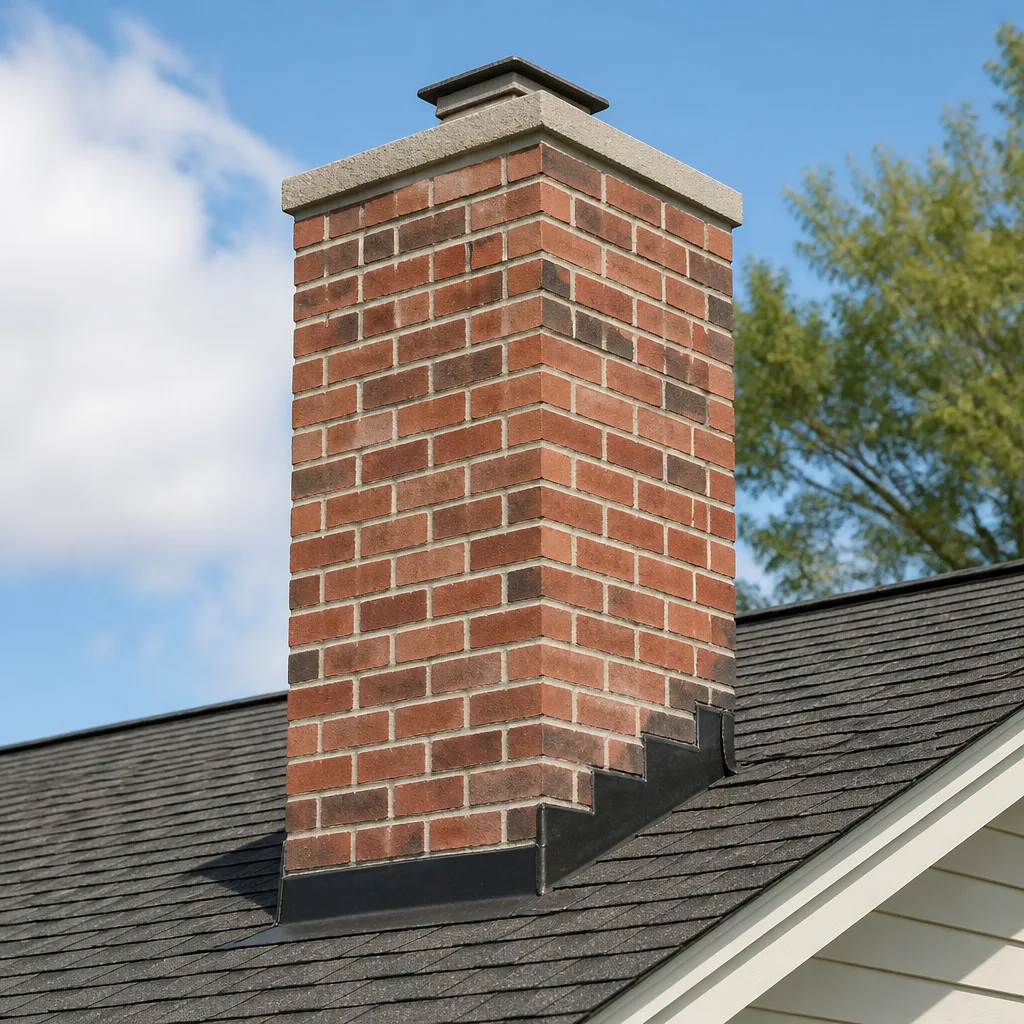 Masonry repair
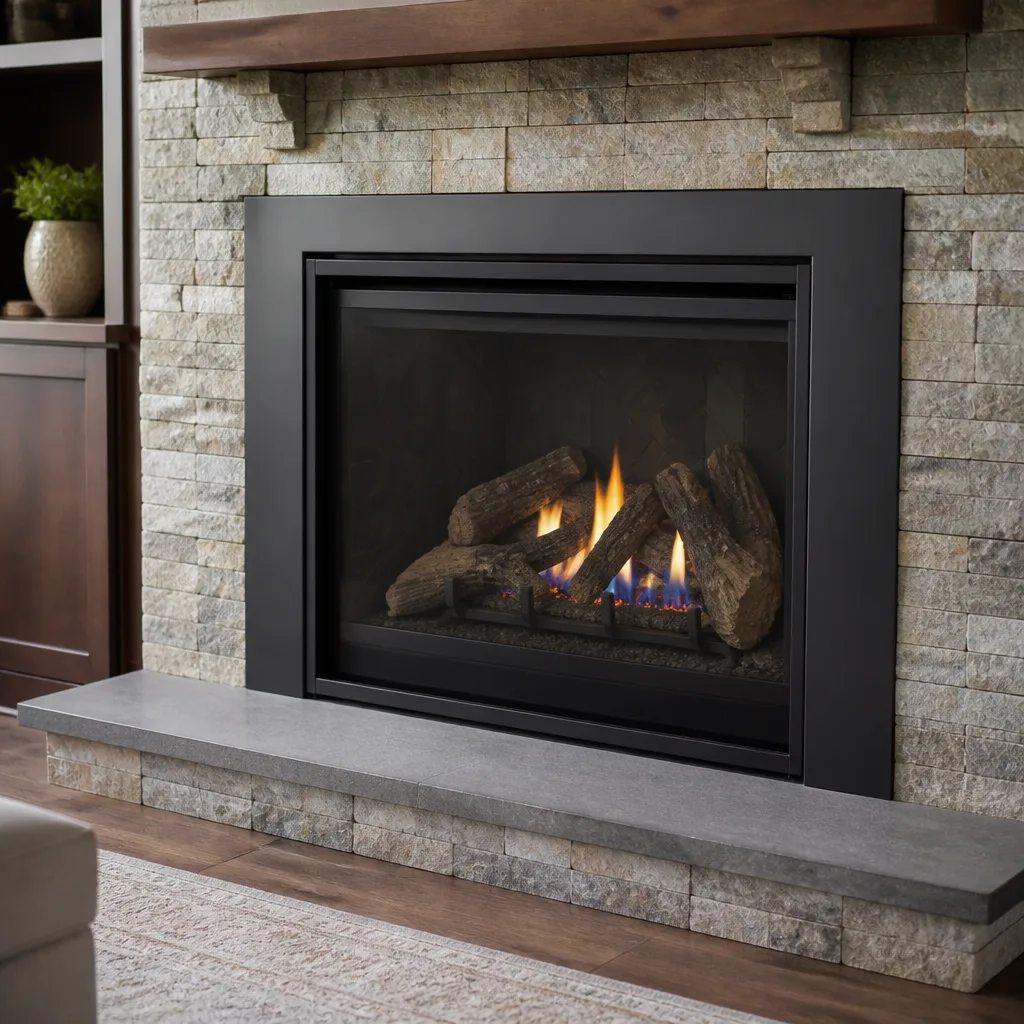 Gas fireplace service
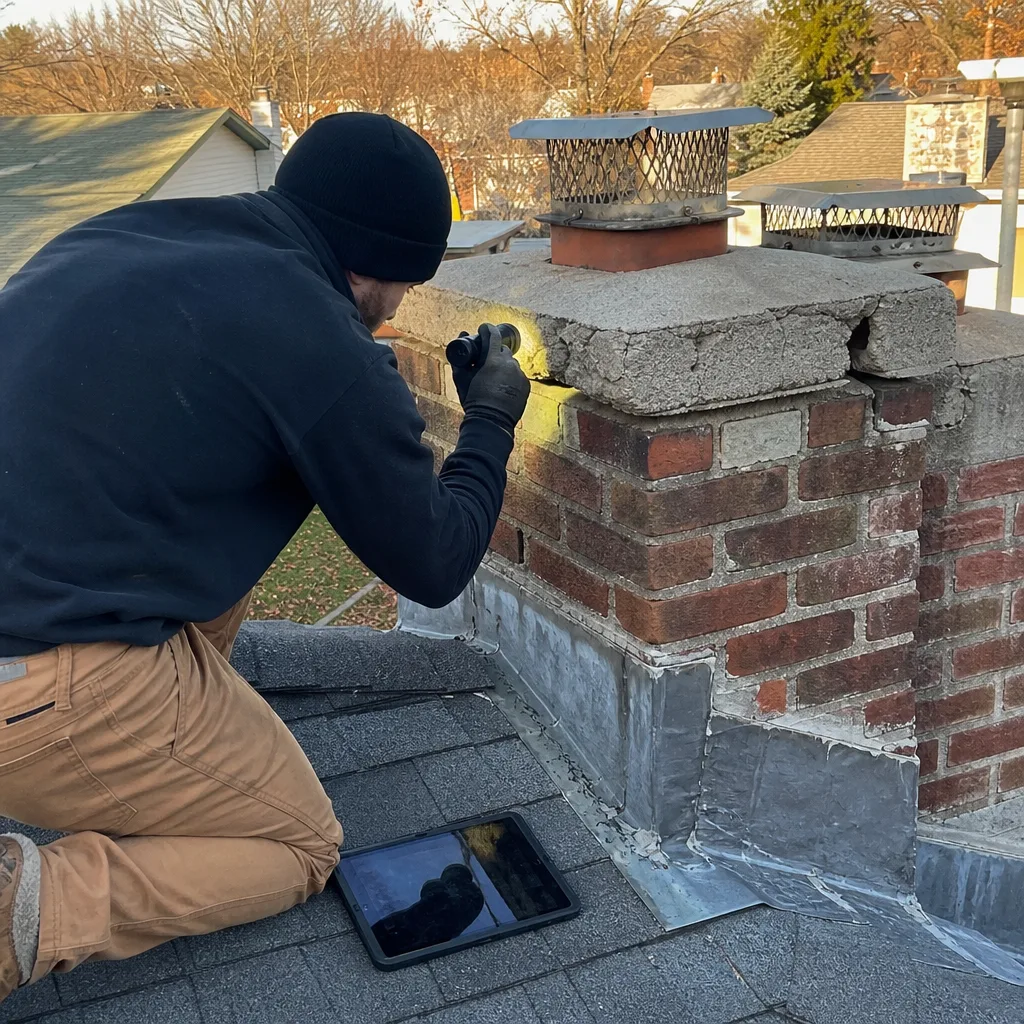
Level 1 sweep and inspection to the NFPA 211 annual standard - flue, crown, cap, and flashing checked and photographed
Chimney sweep logs do not sweep chimneys. They loosen some creosote - which then falls where a brush and vacuum still have to collect it.
Chimney Cleaning Permits, Codes & Inspections in Elmhurst, NY: What You Need to Know
Here’s the part most homeowners miss: a routine chimney cleaning in New York City needs no permit at all. Sweeping is ordinary maintenance. But the moment a sweep finds a cracked flue, a failed liner, or a crown that’s pulling away from the stack, the job changes category. Structural repair and liner replacement fall under NYC Department of Buildings permitting, and work done without one can create liability that outlasts your ownership of the property. We’ve walked Elmhurst homeowners through this exact confusion more times than we can count: what’s maintenance, what’s construction, and who’s responsible for pulling the paperwork. By the end of this guide you’ll know which chimney services in Elmhurst, NY require a DOB permit, what the mechanical and fuel gas codes actually say about flues and clearances, how Local Law 11 touches attached and multi-unit properties, and how to check that a contractor is filing permits when the job calls for one.
Quick Answer
In Elmhurst, NY, routine chimney cleaning and inspection do not require a permit from the NYC Department of Buildings. Structural chimney repair, liner replacement, and new cap or crown installation that alters the venting system generally do require a DOB permit and must conform to the NYC Mechanical Code and NYC Fuel Gas Code. Any contractor who tells you permits are unnecessary for a relining or structural repair is telling you something you should verify independently before work starts.
Styles & brands we work with
- Sweep & inspection
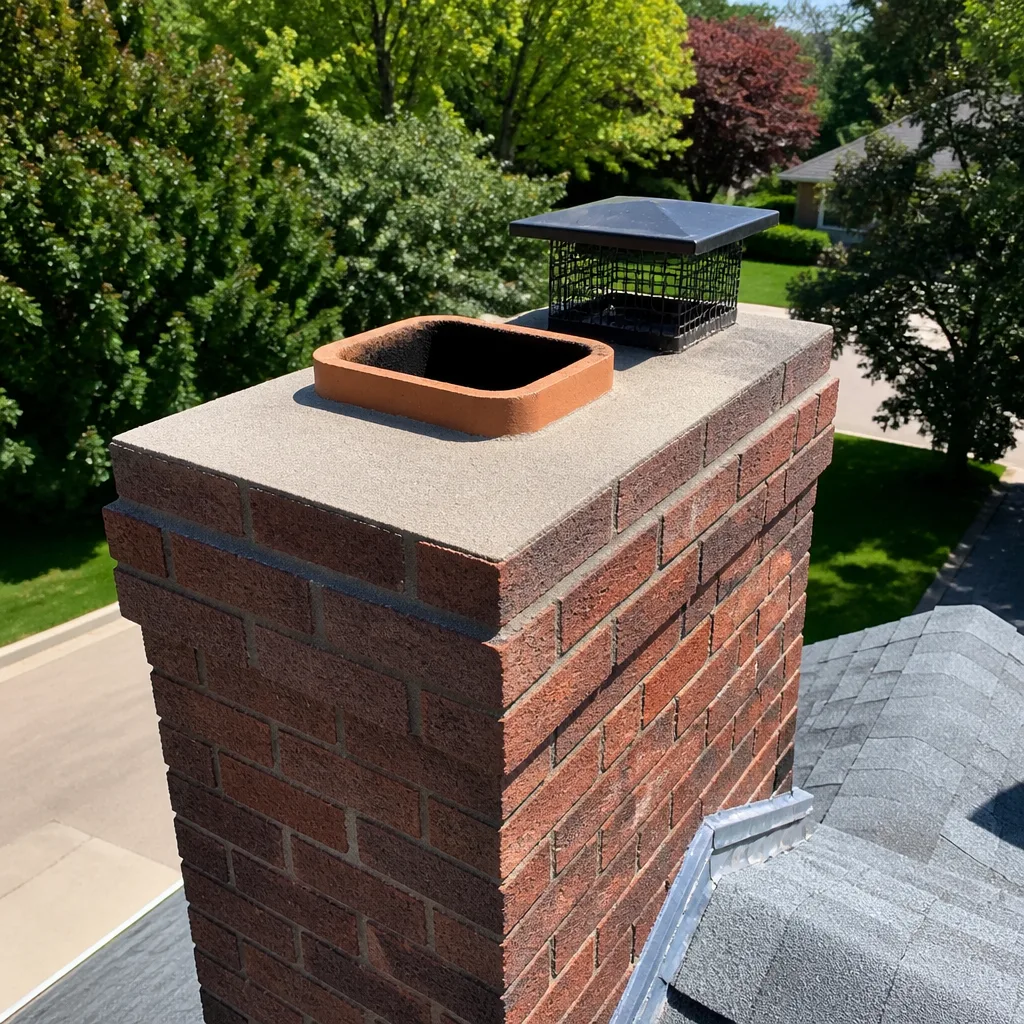
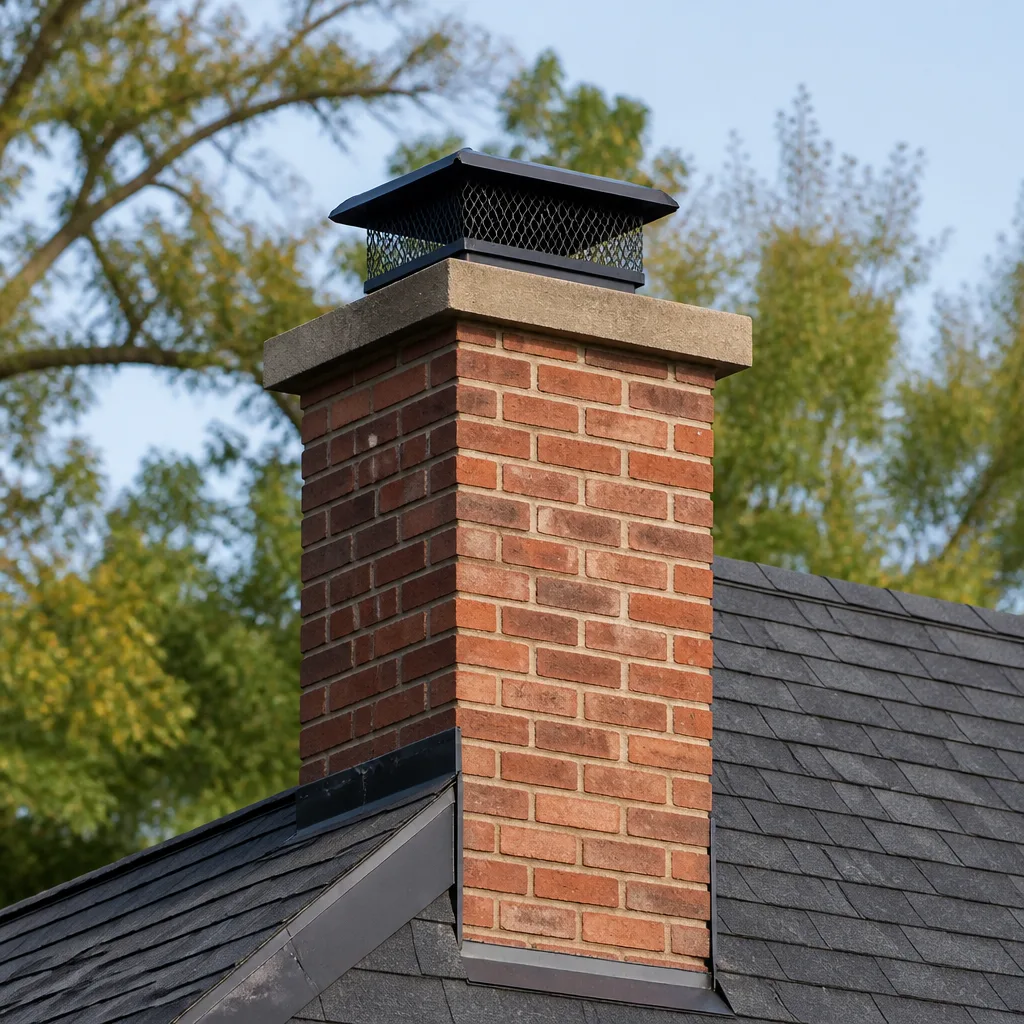
- Caps & crowns
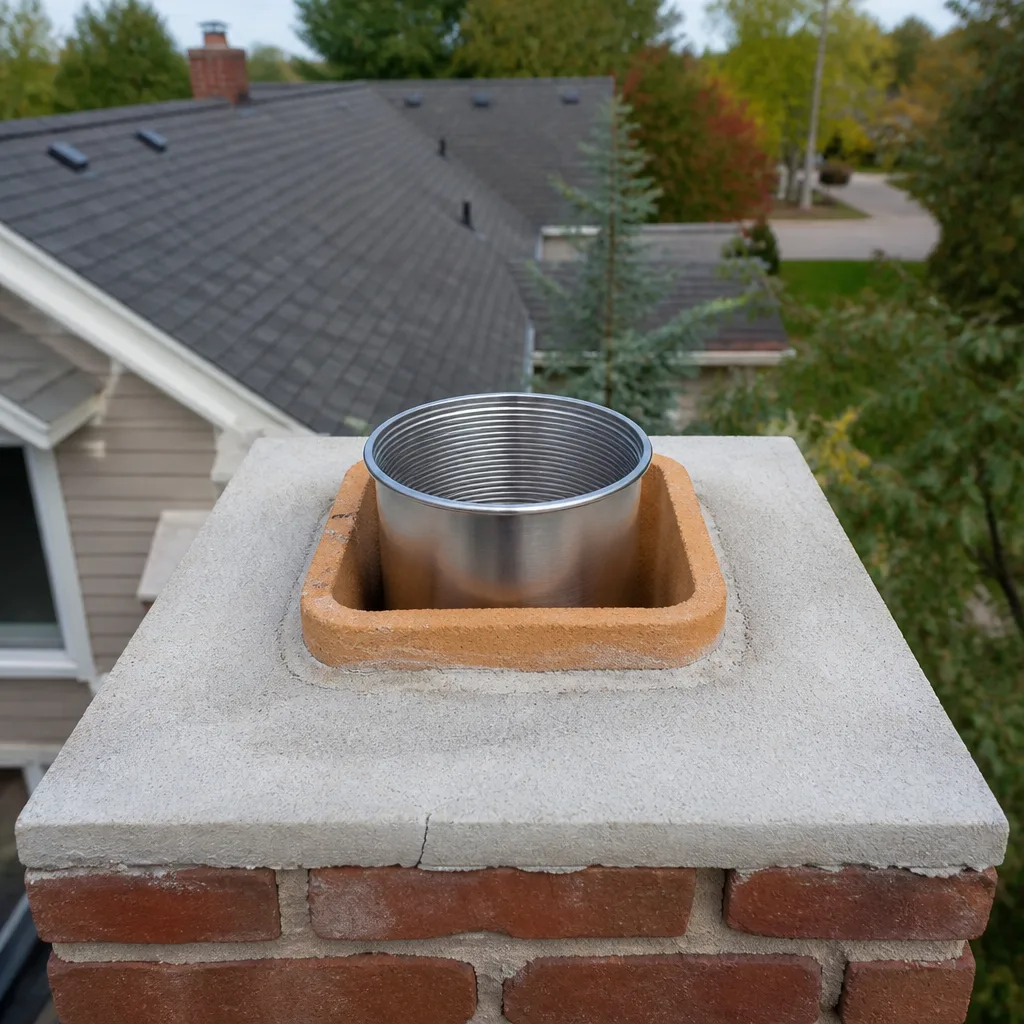
- Flue relining
- Masonry repair
- Gas fireplace service
Table of Contents
- Which Chimney Services in NYC Need a Permit and Which Don’t
- What the NYC Mechanical and Fuel Gas Codes Say About Your Flue
- How Local Law 11 Intersects With Chimney Work in Elmhurst
- What a Level 2 Inspection Triggers Under NYC Fire Code
- Level 1, 2, and 3: The Three Inspection Levels Explained
- Elmhurst Housing Stock and Why It Changes the Rules
- How to Verify a Contractor Is Pulling Permits
- Why a Contractor Who Discourages Permits Is a Liability Risk
Which Chimney Services in NYC Need a Permit and Which Don’t
The permit line in New York City runs between maintenance and construction, and chimney work straddles it more often than most trades. Sweeping is maintenance. So is a visual inspection, a camera inspection, and a standard cap swap where the flue termination itself doesn’t change. These jobs keep the system working as designed. They don’t alter it.
Where it gets real is anything that changes the venting system’s structure or geometry. Here’s how the split looks in practice:
- No permit typically required: routine sweeping, Level 1 and Level 2 inspections, replacing a damaged cap with a like-for-like unit, minor crown patching where the profile is unchanged.
- Permit generally required: full liner replacement, conversion to a new fuel type, resizing a flue, installing a new chimney where none existed, altering the height or termination of a stack, structural masonry repair that changes load-bearing capacity.
- Case-by-case: crown rebuilding where the shape changes, cap installations that add height or alter draft characteristics, HeatShield ceramic resurfacing on a flue that has lost structural integrity.
That third category is where most disputes live. Resurfacing a flue interior with HeatShield is a repair within the existing chase in many cases, but if the underlying flue has lost so much material that the resurfacing is restoring structural function, a good contractor will flag it for a permit conversation rather than sliding it through as maintenance. We tell Elmhurst homeowners the same thing every time: when you’re unsure, the answer is to ask the DOB or a licensed professional, not to assume.
If you want the short version on the cleaning side, the chimney sweep service itself never requires a permit. It’s the downstream work that does.
What the NYC Mechanical and Fuel Gas Codes Say About Your Flue
New York City doesn’t write its own chimney rules in a vacuum. The NYC Mechanical Code governs venting, flue sizing, clearances, and chimney construction for appliances, and the NYC Fuel Gas Code governs gas-fired appliance venting and combustion air. Both take cues from national model codes and adapt them to dense urban conditions where buildings touch each other and flues run through shared chases.
For an Elmhurst homeowner, the practical requirements boil down to a handful of principles:
- Flue sizing must match the appliance. A flue that’s too large for the appliance cools the exhaust before it exits the stack, which encourages condensation and creosote accumulation. A flue that’s too small can’t carry the volume. Liner replacement is where this matters most, and it’s why a liner has to be sized, not guessed.
- Liner material must suit the fuel. A clay tile flue serving a wood-burning fireplace is a different system than a stainless liner serving a gas appliance. DuraFlex stainless liner systems are engineered for the fuel and appliance they serve, and mismatching them is a code problem, not just a performance problem.
- Clearances from combustibles are non-negotiable. The code specifies minimum distances between the chimney structure and combustible framing, and those clearances can’t be reduced by insulation, drywall, or a well-intentioned renovation. In Elmhurst’s older attached housing, we regularly find clearances that were compromised decades ago by a remodel that had nothing to do with the chimney.
- Terminations must meet minimum height and location rules. A chimney that terminates too close to a roof surface, a wall, or a neighboring structure can fail to draft properly and can create a nuisance condition for the neighbor.
We aren’t going to quote you code section numbers and pretend that’s a substitute for reading the actual code, because the code text is public and your contractor should be able to point you to the specific requirement that applies to your flue. What we will tell you is that any liner or flue alteration should be documented and, where required, permitted. If the work is being done under permit, the inspection that follows is your protection.
How Local Law 11 Intersects With Chimney Work in Elmhurst
Local Law 11, formally the Facade Inspection Safety Program, requires periodic inspection of exterior walls on buildings above a certain height. It’s a facade regulation, not a chimney regulation, but the overlap in Elmhurst is real because a lot of the housing here is attached, semi-attached, and low-rise multi-unit, and chimneys sit on or against those facades.
Where the two concerns meet:
- Chimney deterioration can be visible from the facade inspection. A Qualified Exterior Wall Inspector surveying the building envelope may flag a spalled chimney crown, deteriorated mortar joints, or a leaning stack as a condition that needs attention. That flag doesn’t automatically trigger chimney permitting, but it does start a paper trail.
- Scaffolding and access. Work on a chimney that requires access from the exterior of a covered building often has to coordinate with the facade inspection cycle and any active repair work. Doing both at once is usually smarter than doing them separately.
- Shared structures. In an attached Elmhurst two- or three-family, the chimney may serve more than one unit or sit on a party wall. Structural work on it is rarely a one-unit decision, and the permitting question should be settled before anyone climbs the roof.
If you’re in a multi-unit building and the chimney is being flagged as part of a facade or structural review, get clarity on which scope of work the flag actually belongs to. A cap and crown issue and a facade issue can look identical from the sidewalk, and they’re handled under different rules. Our chimney cap & crown work on attached Elmhurst properties almost always starts with that clarification.
What a Level 2 Inspection Triggers Under NYC Fire Code
A Level 2 inspection is the inspection you get when something has changed: a property sale, a fuel conversion, an appliance replacement, a chimney fire, or a change in the way the system is used. It’s more than a look up the flue. It includes a camera scan of the interior, access to concealed areas where possible, and an assessment of clearances and the venting system as a whole.
What that inspection can trigger depends on what it finds. It’s not a code-enforcement action by itself, but it produces documentation, and documentation has consequences:
- A documented defect. If the inspection finds a cracked flue tile, a disconnected liner section, or a compromised crown, the report records it. If a subsequent fire or carbon monoxide incident traces back to that defect, the record matters.
- Repair obligations tied to the sale. In a real estate transaction, a Level 2 inspection report often becomes part of the negotiation. A lender or buyer’s attorney may require the defect to be repaired before closing, which means the repair has to be permitted and inspected if the scope requires it.
- A halt on use. If the inspection finds a condition that makes the chimney unsafe to use, the responsible call is to stop using the fireplace until the repair is complete. That’s not a scare tactic; it’s what a competent inspector will tell you plainly.
- A record that supports your insurance position. Most homeowner policies expect the chimney to be maintained and any structural work to be done to code. A documented inspection and permitted repair supports that position if you ever need it.
In our experience, the Elmhurst homeowners who get the most value out of a Level 2 inspection are the ones who ask for the camera footage and the written report, not just a verbal summary. If you can see the flue interior yourself, you can judge the recommendation for yourself.
Level 1, 2, and 3: The Three Inspection Levels Explained
Chimney inspections are standardized into three levels, and knowing which one you need saves you money and confusion. Most homeowners only ever need the first, and the second is triggered by a specific event.
- Level 1 inspection. A visual check of the accessible portions of the chimney, firebox, damper, and connector, done with the system in its normal service condition. This is what comes with a routine sweep. It’s appropriate when nothing about the system has changed and you just want to know it’s clean and sound.
- Level 2 inspection. Everything in a Level 1 plus a camera scan of the flue interior and inspection of accessible concealed areas, including attics, crawl spaces, and any portion of the chimney that can be reached without damaging the structure. Triggered by a property sale, an appliance change, a fuel conversion, a chimney fire, or an earthquake or severe weather event that could have affected the system. This is the inspection that produces a written report you can hand to a buyer, an insurer, or a contractor.
- Level 3 inspection. The most invasive. It’s used when a Level 1 or 2 finds a serious defect that can’t be evaluated without opening up part of the structure. It may involve removing a section of wall, opening the chimney chase, or dismantling part of the system. Level 3 is diagnostic last-resort work, not a routine service.
For an Elmhurst homeowner, the practical guidance is straightforward. Get a Level 1 with every sweep. Get a Level 2 any time the property changes hands or the appliance changes. And if a Level 2 finds something the camera can’t fully explain, a Level 3 may be the only way to know what you’re actually looking at before you commit to a repair estimate. We include camera inspection and a photo report with our inspection service because the recommendation has to be visible to you, not just asserted by us.
Elmhurst Housing Stock and Why It Changes the Rules
Elmhurst isn’t a neighborhood of single-family homes with wide side yards. It’s dense, it’s mixed, and the housing stock reflects waves of construction and renovation going back generations. That matters for chimney rules in three specific ways.
Attached and semi-attached construction. When your chimney sits against a neighbor’s wall or shares a party wall, structural work on the chimney is rarely a solo project. The permit application often has to account for the shared structure, and the inspection of the completed work may involve access to the neighbor’s side. This is one of the most common delays we see on Elmhurst permits, and it’s entirely avoidable if the contractor plans for it up front.
Flues that have been modified over time. A house that’s been re-sided, re-roofed, and re-plumbed over decades often has a chimney that’s been touched half a dozen times. The flue tiles may have been re-lined once already, or a liner may have been installed and abandoned. Before any new work, the flue needs to be assessed as it actually exists, not as the original drawings show it. Camera inspection is the only way to know.
Mixed fuels in a single stack. In a two- or three-family, a single chimney structure may serve multiple flues and multiple fuel types. Gas and oil appliances venting alongside a wood-burning fireplace, all in one chase, is a code review waiting to happen if the flues aren’t properly separated and sized. The NYC Fuel Gas Code has a lot to say about this, and a proper Level 2 inspection is where it surfaces.
The climate adds a layer here too. Elmhurst’s freeze-thaw winters work on masonry the way it works everywhere in the Northeast: water gets into small cracks, expands when it freezes, and opens them wider. A crown that’s sound in October can be failing by March. If your chimney has gone more than a year without a look, the season to check it is before you start burning again.
How to Verify a Contractor Is Pulling Permits
This is the part of the guide that saves homeowners the most trouble down the road. Verifying permits isn’t hard, but it requires you to do it yourself rather than take a verbal assurance. Here’s the sequence:
- Ask which permit applies and who is filing it. A straight answer includes the scope of work and the filing party. A vague answer, or one that steers toward “we don’t need one for this,” is your signal to slow down.
- Get the permit number before work starts. The permit number should exist before the first day of work, not after. If the contractor can’t produce it, the work isn’t permitted yet.
- Look it up yourself. The NYC Department of Buildings maintains a public permit and violation search. You can look up the address and see what’s been filed, who filed it, and the scope of work on the application. Do it before the crew arrives, not after.
- Confirm the inspection. Permitted work in NYC gets inspected. Ask what the inspection schedule looks like and who will be on site when the inspector arrives. A contractor who’s never mentioned the inspection is a contractor who may not be expecting one.
- Get the closeout documentation. When the work is done and signed off, you should end up with a record of the permitted work. Keep it with your property records; the next buyer or insurer may ask for it.
The verify-it-yourself habit is the same one we recommend for any trade in Elmhurst. It’s not distrust. It’s just what a permit is for: the permit exists to protect you, and the only way it does that is if it’s actually filed.
Why a Contractor Who Discourages Permits Is a Liability Risk
A contractor who talks you out of a permit is doing you a disservice, and it matters more than most homeowners realize. Here’s what’s actually at stake:
- Insurance exposure. If a chimney fire or carbon monoxide incident traces to work that was done without a required permit, your homeowner’s insurer may question coverage. That’s not a scare line; it’s the way most policies read. Unpermitted structural work is a known problem for carriers.
- Disclosure at sale. In New York, a seller generally has to disclose known material defects and unpermitted work. A buyer’s inspector will find it, and the negotiation that follows is rarely in your favor. Unpermitted chimney work can follow the property for the life of the structure.
- No inspection, no assurance. The point of the permit isn’t the paperwork. It’s the inspection that comes with it. An unpermitted job has no independent check that the liner was sized correctly, the clearances were respected, or the crown was built to shed water. You’re relying entirely on the contractor’s word.
- Liability if something goes wrong. If unpermitted work causes damage to a neighbor’s property or injury to a future occupant, the question of who’s responsible gets complicated fast. A permit is one of the few documents that clarifies it.
None of this means every chimney job needs a permit. It means the classification decision has to be made honestly, by someone who understands the code, and documented. When we quote repair work for an Elmhurst homeowner, the estimate itemizes what’s being done and flags anything that requires a permit filing, because we’d rather tell you the whole scope than tell you the easy part. Our chimney repair work is quoted with that transparency as a baseline.
Common Mistakes to Avoid
- Assuming all chimney work is permit-free because cleaning is. Cleaning is maintenance and needs no permit. Structural repair and liner replacement are construction and usually do. Treating the two as the same category is the most common way Elmhurst homeowners end up with unpermitted work on a property record.
- Taking “we don’t need a permit for that” at face value. The answer might be correct, but it should come with a reason. Ask what scope of work the contractor is treating it as, and verify independently if it’s a structural or liner job.
- Skipping the Level 2 inspection on a property purchase. A general home inspection almost never includes a camera scan of the flue interior. If you’re buying in Elmhurst, order the Level 2 yourself before closing. It’s the only way to know what you’re actually buying.
- Ignoring clearances hidden behind a renovation. A decades-old remodel may have put framing or insulation closer to the chimney than the code allows. If the flue is being relined anyway, that’s the moment to check; it’s not a problem you find by looking at the firebox.
- Treating a crown as a cosmetic item. The crown is what sheds water away from the masonry below it. A failing crown lets water into the stack, and water into the stack in Elmhurst’s freeze-thaw cycle is how a small crack becomes a structural repair.
- Waiting until the first cold snap to book. Chimney work competes with every other pre-season repair in the neighborhood once the temperature drops. If the chimney has gone more than a season without a look, the time to schedule the inspection is before you need the fireplace, not after.
- Letting one contractor quote both the inspection and every repair the inspection “finds.” A thorough inspection that comes with camera footage and a photo report lets you see what’s actually wrong. If a report says you need thousands of dollars of liner work and gives you nothing to look at, get a second opinion before you sign anything.
See the difference
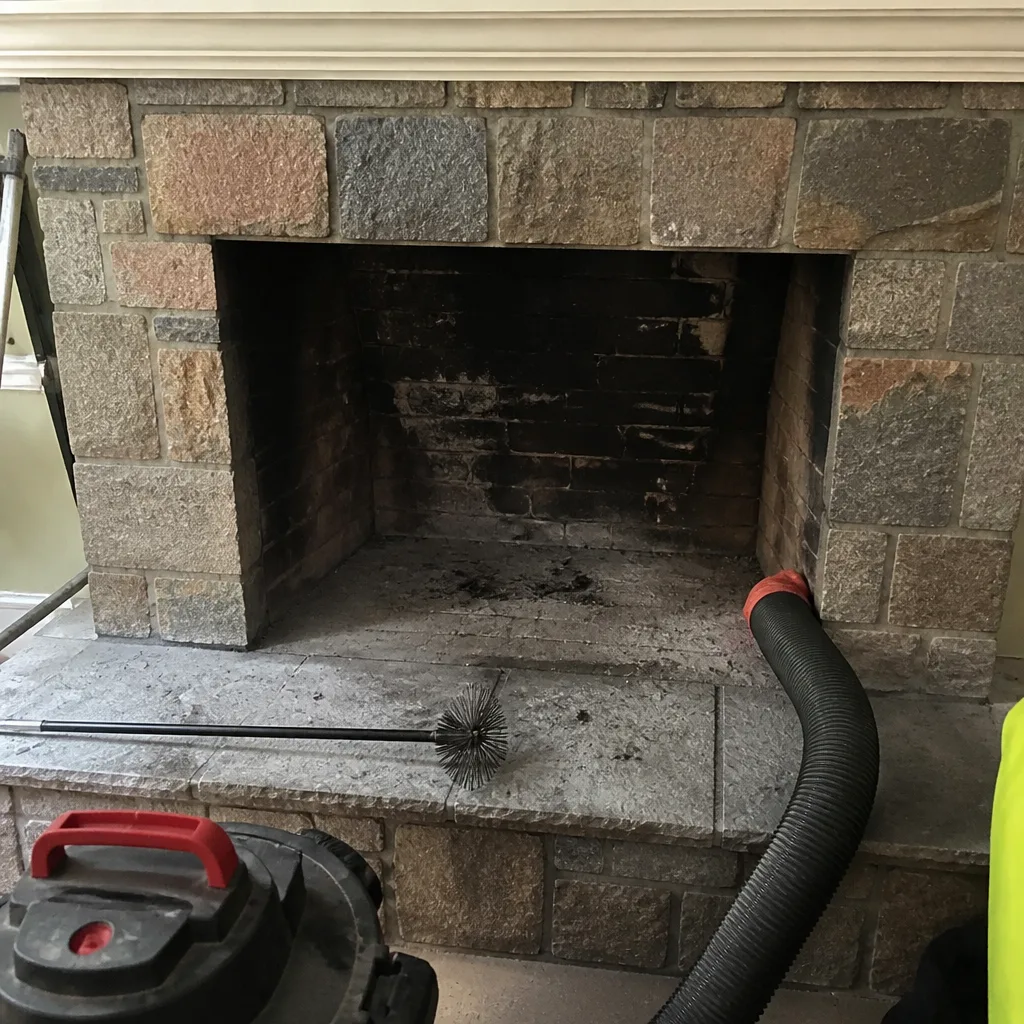 Before
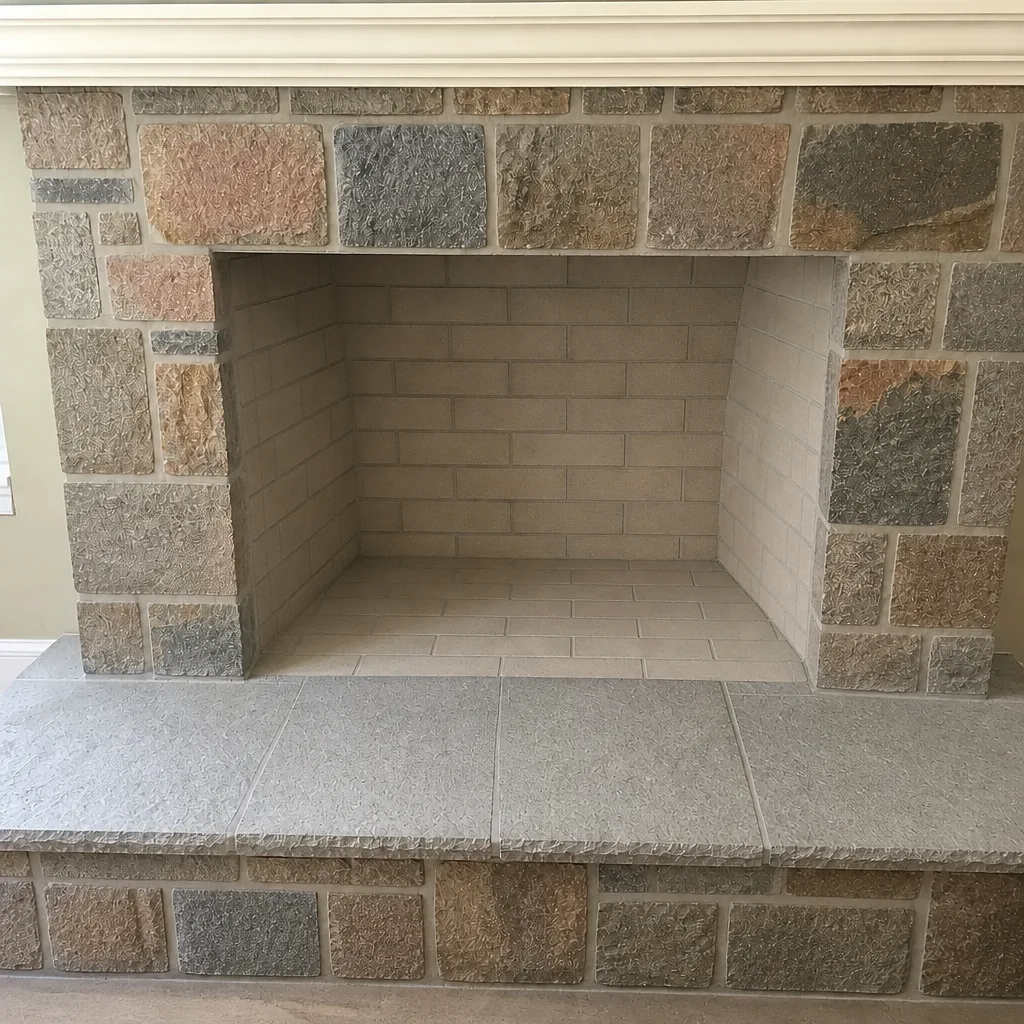 After
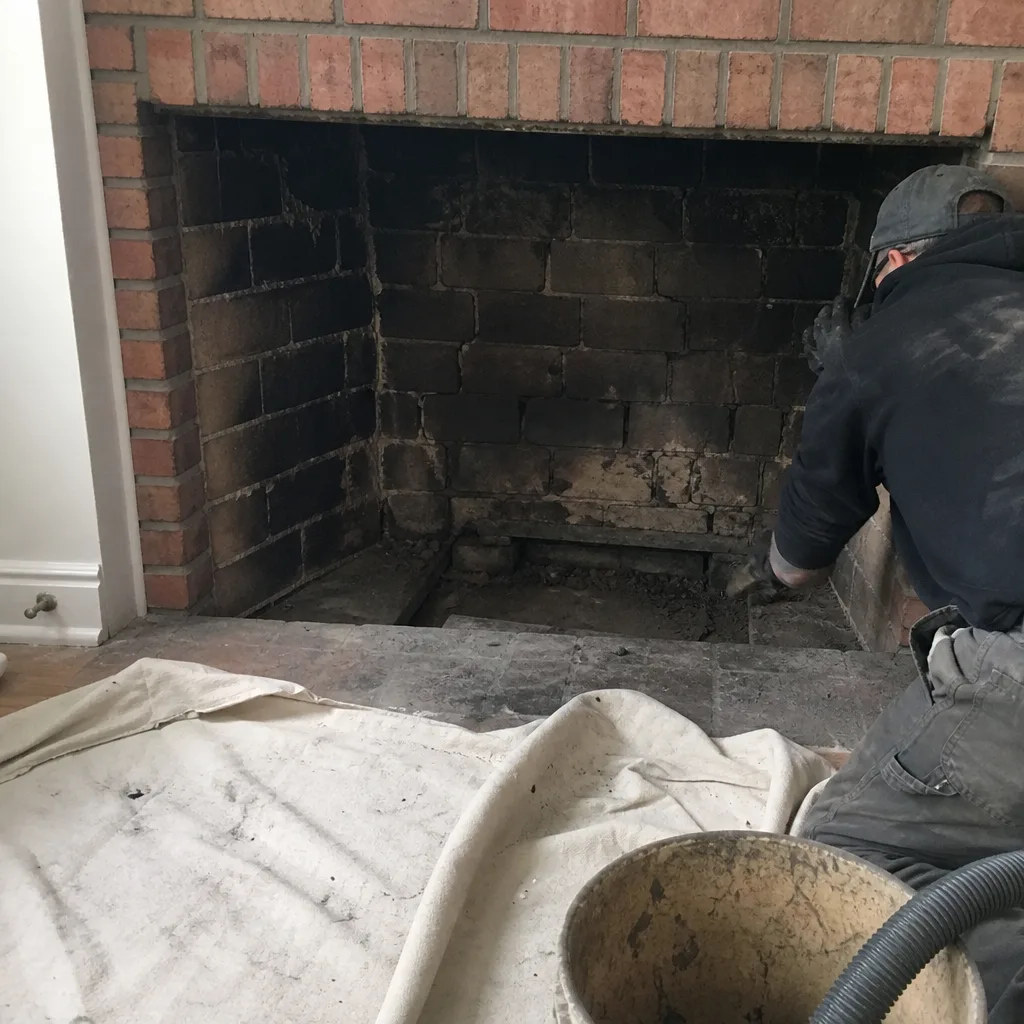 Before
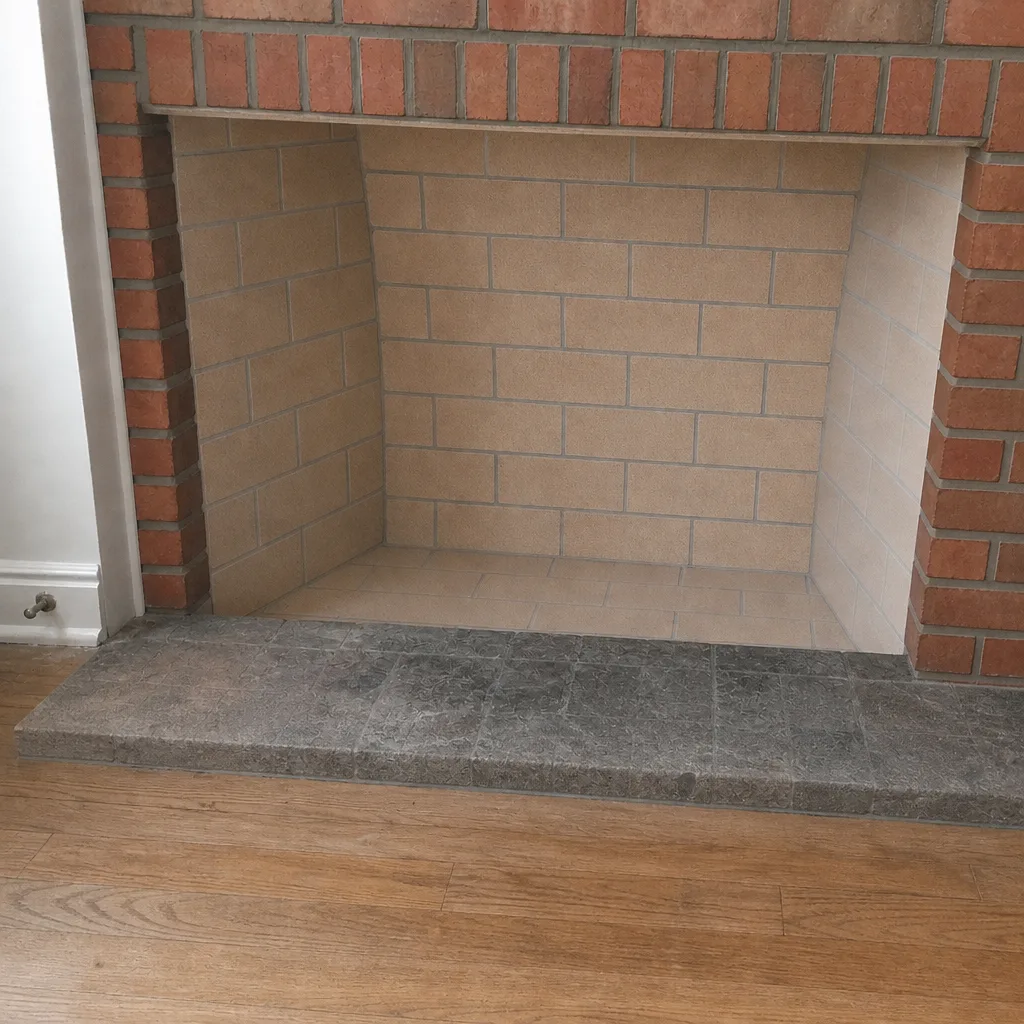 After
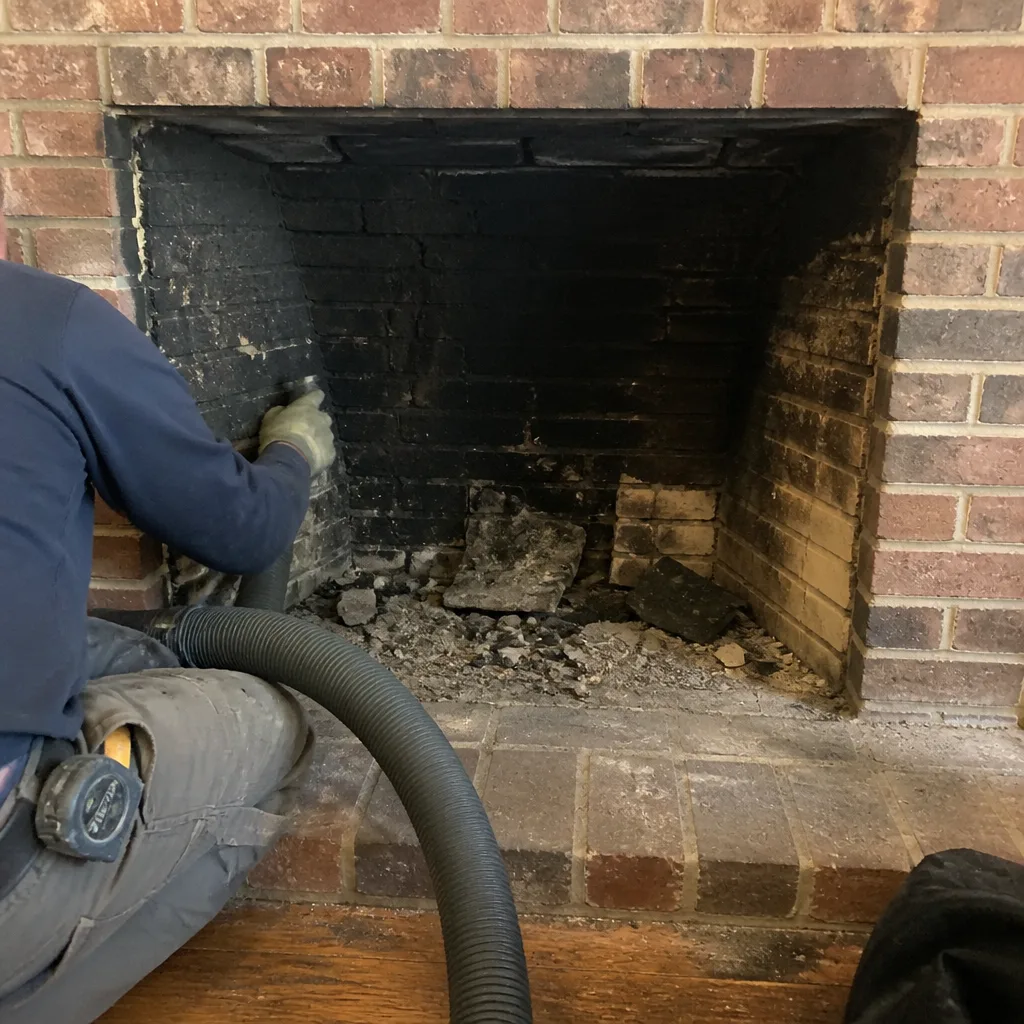 Before
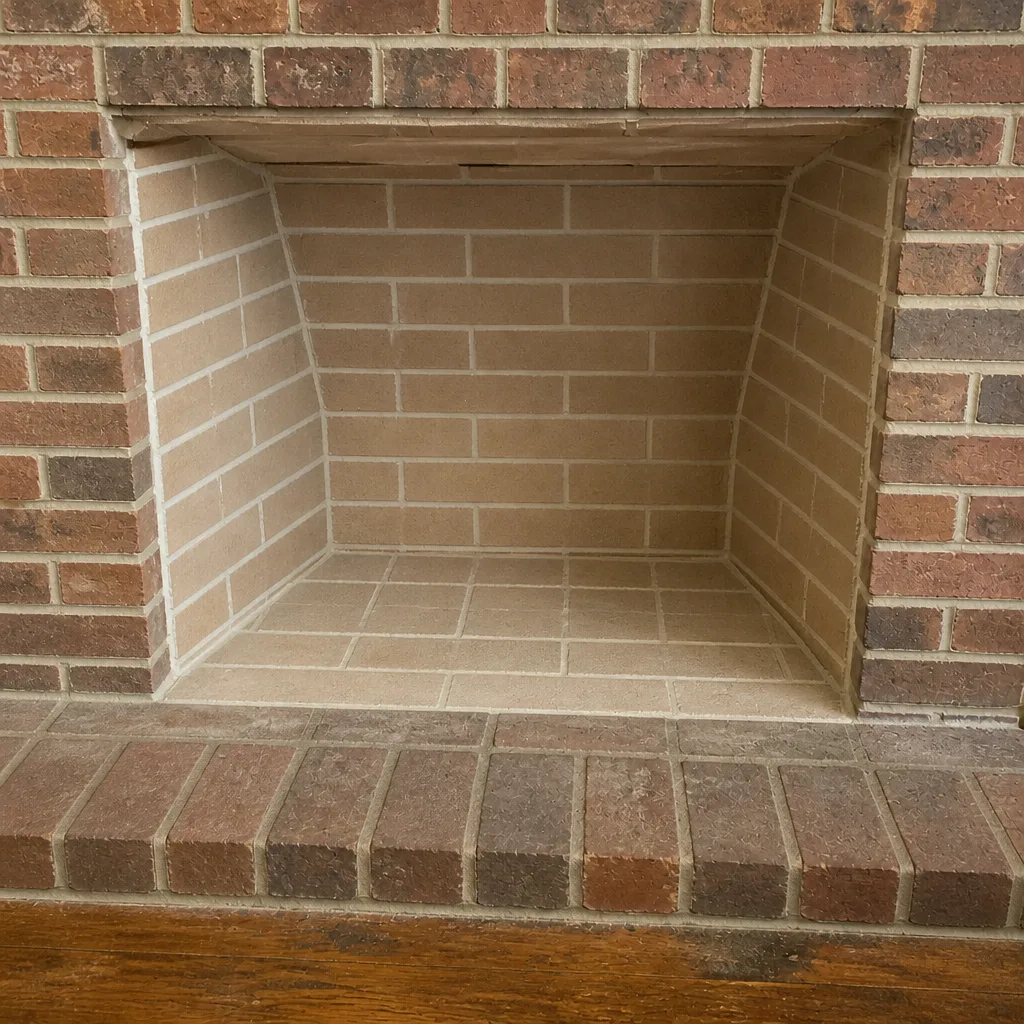 After
When to Call a Professional
Some chimney work is routine and some of it is genuinely dangerous to touch. High-tension springs aren’t part of this trade, but cracked flue tiles, disconnected liner sections, compromised clearances to combustibles, and gas-fired appliance venting all are, and they belong in the hands of a trained professional. Call us if you’re seeing visible damage to the crown or cap, if you’ve had a chimney fire (even a small one you put out yourself), if your carbon monoxide detector has gone off with the fireplace or boiler in use, if smoke backs into the room when the fireplace is lit, or if you’re buying or selling an Elmhurst property and need a Level 2 inspection on record. If none of that applies and the chimney just needs a seasonal sweep, that’s a straightforward call too. Elmhurst Chimney Sweep offers free estimates in Elmhurst. Call (844) 871-3169. We answer 24/7. Fast dispatch from 7am to 7pm, Sunday through Friday.
Frequently Asked Questions
No. Routine chimney cleaning in Elmhurst is classified as ordinary maintenance and does not require a permit from the NYC Department of Buildings. Permits come into play when the scope of work changes from cleaning to structural repair, liner replacement, or work that alters the venting system. Call (844) 871-3169 for an exact quote on the cleaning side; estimates are free.
In most cases, yes. A full liner replacement changes the venting system and generally requires a permit and an inspection, which is why the work has to conform to the NYC Mechanical Code. The exact classification can depend on the scope and the building type, so confirm it with the DOB or a licensed professional before work starts. Call (844) 871-3169 and we’ll walk through what your job involves; estimates are free.
A Level 1 inspection is a visual check of the accessible parts of the chimney and firebox, typically done with a routine sweep. A Level 2 adds a camera scan of the flue interior and inspection of accessible concealed areas, and it’s the inspection triggered by a property sale, appliance change, or chimney fire. Call (844) 871-3169 if you’re not sure which one your situation calls for; estimates are free.
Local Law 11 governs facade inspection on buildings above a certain height, not chimneys directly. But on attached and multi-unit Elmhurst properties, chimney deterioration can be visible from a facade inspection and get flagged alongside it, so the two concerns often come up together. Call (844) 871-3169 if a facade report has raised a question about your chimney; estimates are free.
The work doesn’t get inspected, so you have no independent assurance it was done to code, and unpermitted structural work can complicate an insurance claim or a property sale down the road. New York sellers generally have to disclose known material defects, and a buyer’s inspector will find unpermitted chimney work. Call (844) 871-3169 to talk through what’s been done and what a proper scope looks like; estimates are free.
You can, but a sweep alone only tells you the flue is cleaner than it was; it doesn’t tell you the liner is intact or the clearances are right. For a property that’s changing hands or a chimney that hasn’t been looked at closely in years, a camera inspection with a photo report is the more useful service. Call (844) 871-3169 for a quote on the right service for your chimney; estimates are free.
The Bottom Line
Cleaning a chimney in Elmhurst needs no permit. Repairing it, relining it, or changing how it terminates often does, and the gap between those two facts is where most of the confusion lives. The Mechanical Code and Fuel Gas Code exist to make sure the flue is sized, lined, and clearanced correctly, and the permit and inspection process is the mechanism that confirms it. The practical checklist is short: know which service you’re getting, ask which permit applies, verify it yourself through the DOB, and keep the documentation. Whether you’re due for a sweep or you’ve got repair work facing you, Elmhurst Chimney Sweep can look at the full system, tell you what it actually needs, and quote the work honestly. Call (844) 871-3169 for a free estimate. We answer 24/7. Fast dispatch from 7am to 7pm, Sunday through Friday.
Written by the team at Elmhurst Chimney Sweep.