
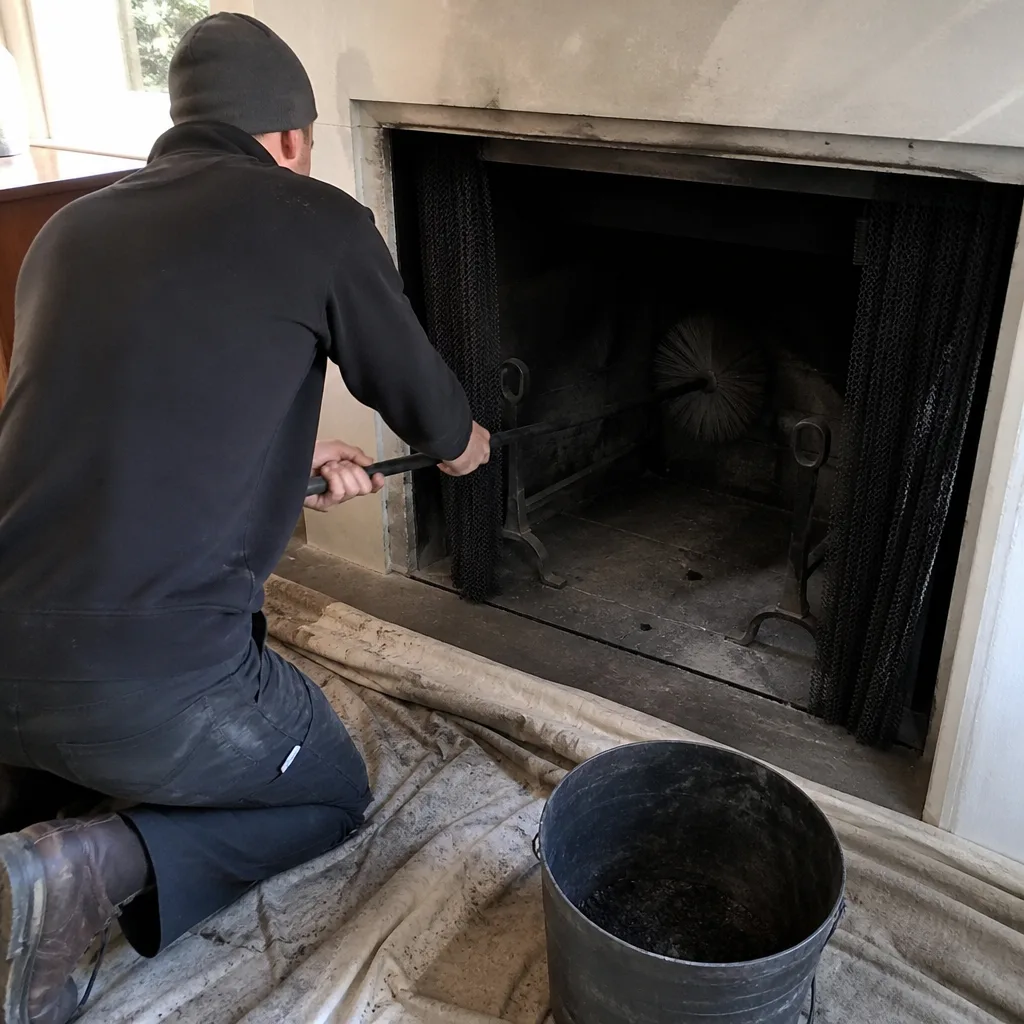
Last updated November 22, 2026
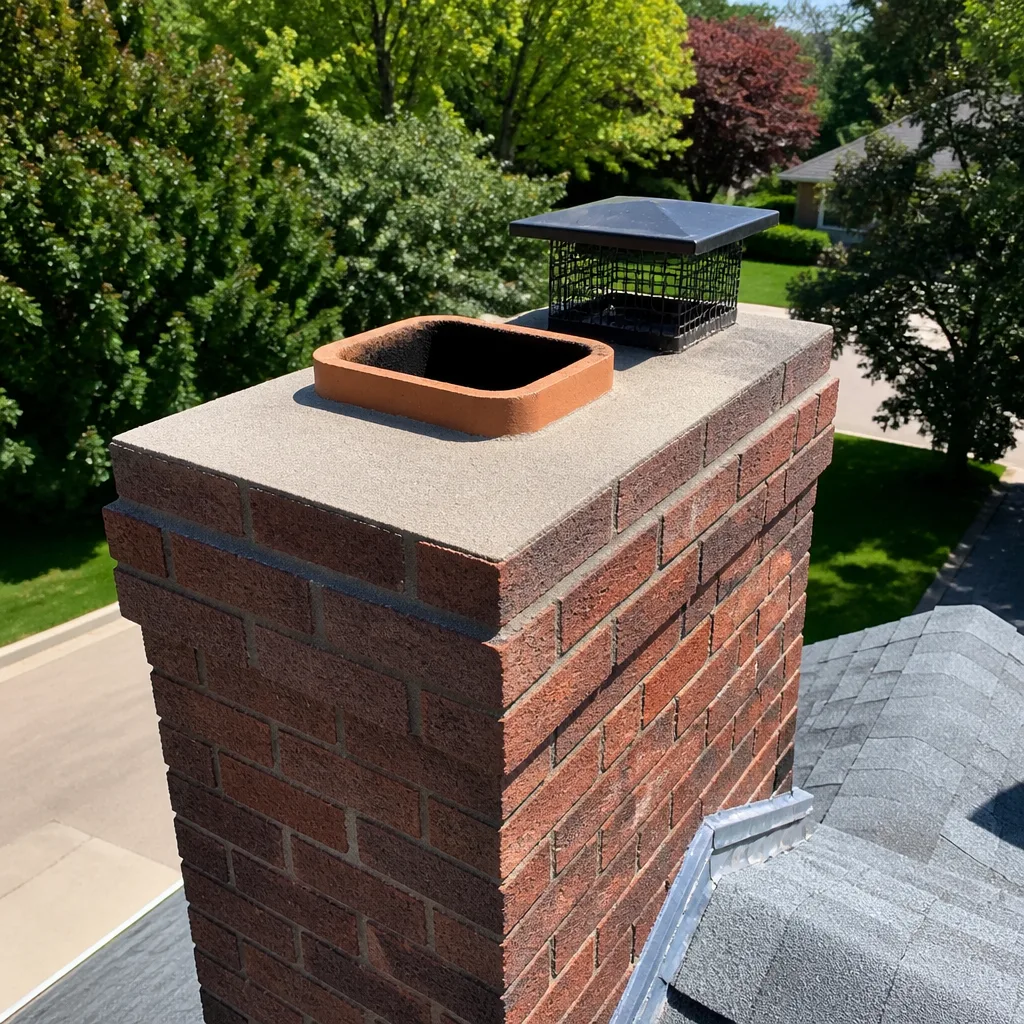 Sweep & inspection
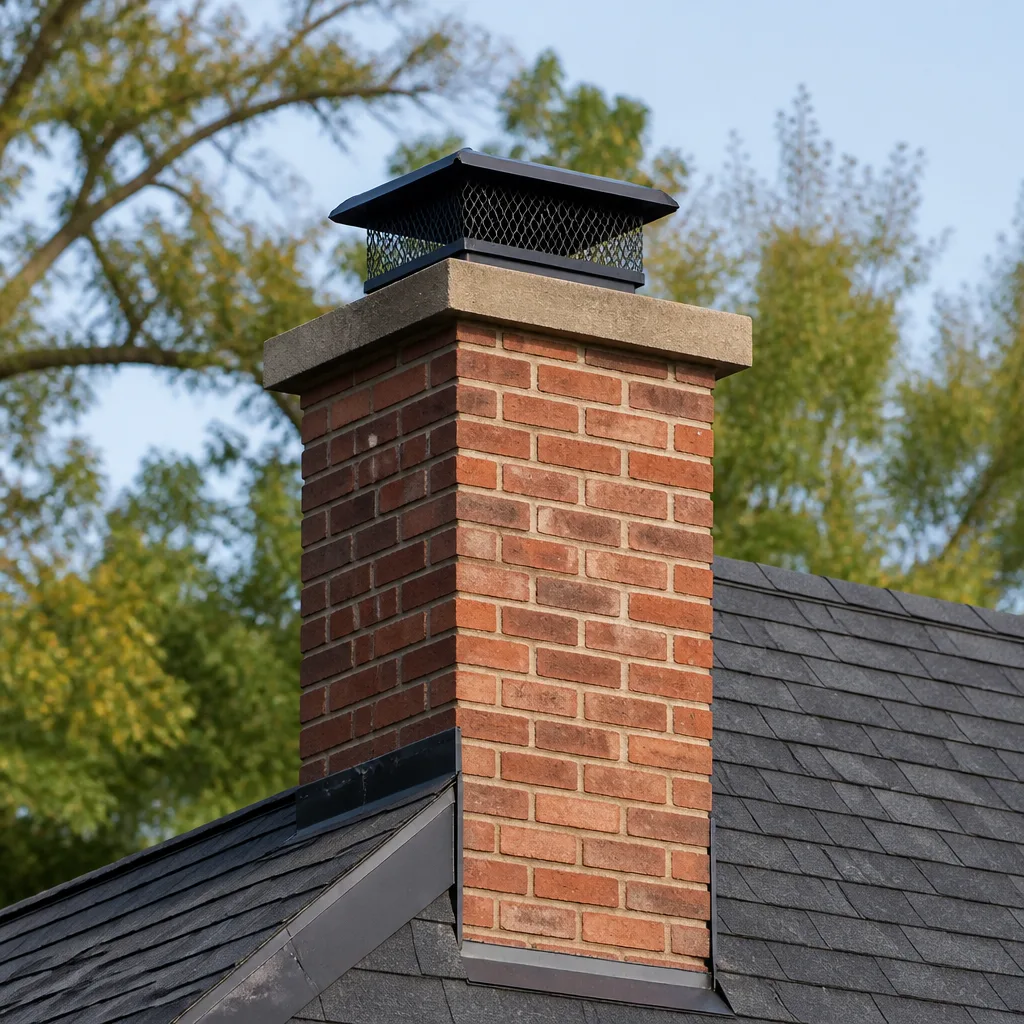 Caps & crowns
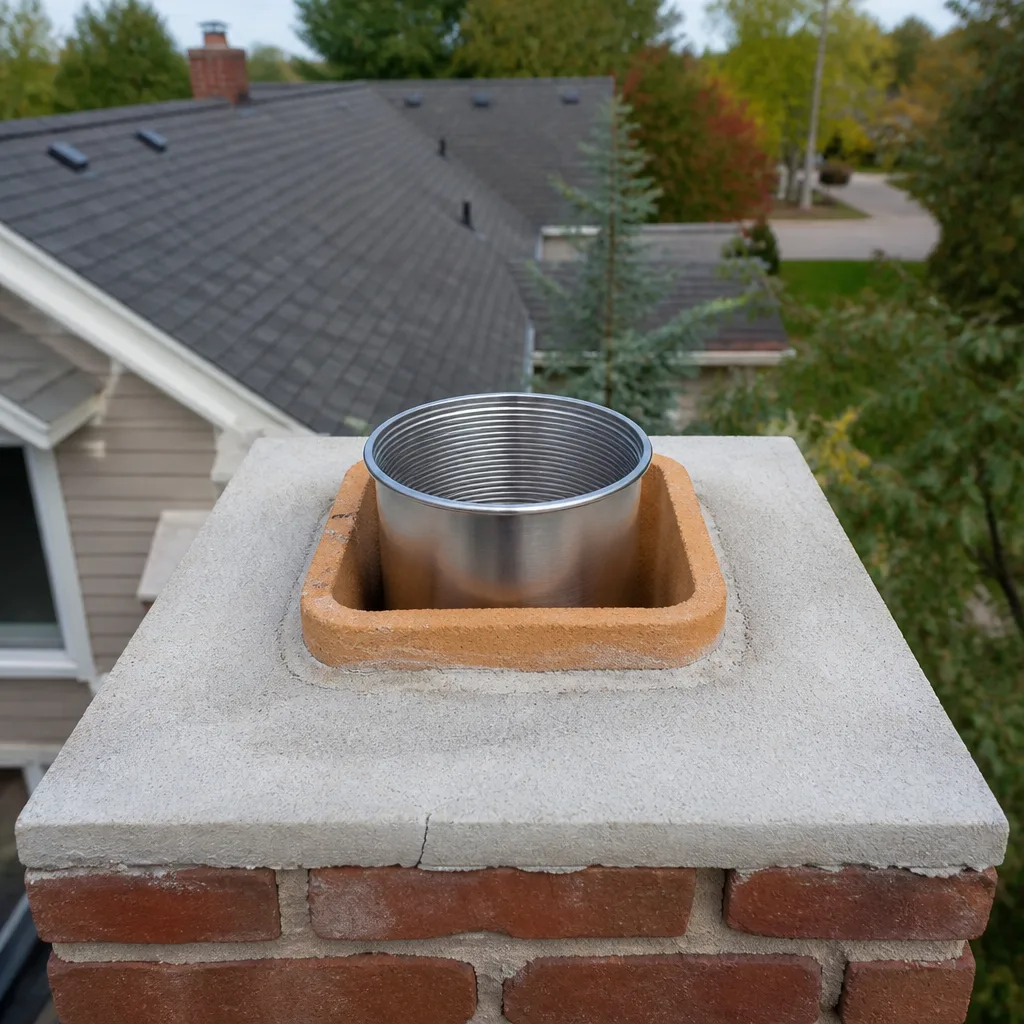 Flue relining
 Masonry repair
 Gas fireplace service
Level 1 sweep and inspection to the NFPA 211 annual standard - flue, crown, cap, and flashing checked and photographed
Chimney sweep logs do not sweep chimneys. They loosen some creosote - which then falls where a brush and vacuum still have to collect it.
Chimney Cleaning Emergency Preparedness Guide for Elmhurst Homes
Most chimney emergencies we get called about don’t look like emergencies at the time. There’s no dramatic wall of flame. Instead, a homeowner in Elmhurst lights the first fire of the season, and twenty minutes later the carbon monoxide detector in the hallway starts chirping. Or the fire burns fine but the room fills with a thin gray haze, and everyone assumes the damper is just sticky. The truth is that carbon monoxide from a blocked or damaged flue has no odor and no color, and in the tightly built attached homes common across Elmhurst, it can build up faster than it would in a detached house with more air leaking through the envelope. What follows is the protocol most homeowners have never been given: what to do in the first four minutes, how to tell an active chimney fire from one that already burned itself out, and what to keep on hand before you ever strike a match. Read it once now, and you’ll know exactly what to do if it happens.
Quick Answer
A chimney emergency in Elmhurst usually means one of three things: an active chimney fire, a carbon monoxide alarm triggered by a blocked or cracked flue, or a sudden smoke backdraft into the living space. For all three, the first move is the same – get everyone out of the house, call 911, and do not try to fight a chimney fire with water from inside the firebox. After any of these events, the chimney must be inspected by a qualified specialist before you use it again. During a cold snap, a blocked or damaged flue can turn a routine fire into a carbon monoxide event in minutes, so the time to build your response plan is now, not when the alarm sounds.
Styles & brands we work with
- Sweep & inspection
- Caps & crowns
- Flue relining
- Masonry repair
- Gas fireplace service
Table of Contents
- The Three Chimney Emergencies Elmhurst Homeowners Actually Face
- Active Chimney Fire vs. a Fire That Already Happened
- Step-by-Step Response Protocol for Each Emergency
- The Pre-Season Emergency Kit Every Elmhurst Home Should Have
- Shared Flues and Attached Homes: When a Neighbor’s Problem Becomes Yours
- What to Tell the Fire Department When They Arrive
- Mandatory Post-Event Inspections Before You Light Another Fire
- Prevention: The Maintenance That Prevents Most Emergencies
The Three Chimney Emergencies Elmhurst Homeowners Actually Face
If you search for “chimney emergency” you’ll find a lot of advice written for people who already have flames coming out of the top of the house. In our experience working on chimneys across Elmhurst, the real emergencies fall into three categories, and only one of them involves visible fire.
1. Active chimney fire
A chimney fire is burning creosote inside the flue, not wood in the firebox. It can sound like a low roar or a train rumbling through the wall. You may see dense smoke or flames from the top of the chimney, or feel unusual heat radiating from the chimney breast into the room. Some chimney fires are small enough that the homeowner never notices until a later inspection reveals cracked flue tiles or a glazed creosote layer. Others are obvious and loud.
2. Carbon monoxide alarm
This is the one that scares us most, because the danger is invisible. A blocked flue, a cracked chimney liner, or a disconnected vent connector can push carbon monoxide back into the living space instead of up and out. Symptoms range from headache and nausea to confusion and loss of consciousness. If a CO alarm sounds and you’ve had a fire burning, treat it as a chimney venting problem until a specialist proves otherwise.
3. Sudden smoke backdraft
Smoke rolling out of the firebox into the room instead of going up the flue. This can happen when a flue is partially blocked, when the chimney is cold and the draft hasn’t established, or when a neighboring chimney in an attached home is competing for the same air. It’s less immediately dangerous than the other two, but sustained backdraft means combustion gases are entering your home, and that’s not something to shrug off.
Active Chimney Fire vs. a Fire That Already Happened
Knowing whether a chimney fire is happening right now or already burned itself out changes what you do next. If it’s active, you evacuate and call 911. If it already happened, your job is to stop using the chimney and get it inspected before the next fire. Here’s how to tell the difference.
- Active signs: a roaring or rumbling sound from the flue, dense smoke or visible flame at the top of the chimney, unusually strong heat felt through the firebox wall or the chimney breast in the room, or a vibration you can feel in the masonry.
- Completed-fire signs: a strong creosote smell in the house weeks after your last fire, a “puffy” or honeycombed creosote texture visible at the flue top, cracked or flaking flue tiles, warped metal components like a damper or a rain cap, or discolored masonry around the chimney.
- What to do if you’re unsure: treat it as active. Evacuate and call 911. A false alarm costs you an evening. A missed active fire can cost much more.
Elmhurst’s winters bring long stretches of cold, dry weather, and homeowners here tend to burn hardwood hard during those stretches. That’s exactly the pattern that builds up creosote quickly, especially in older flues that haven’t been swept in a season or two. A completed chimney fire sometimes leaves no obvious exterior sign at all, which is why a post-fire inspection matters even when nothing looks wrong from the driveway. If you suspect a completed fire, stop using the chimney immediately and have it evaluated.
Step-by-Step Response Protocol for Each Emergency
Every second counts, and you won’t have time to reason through it in the moment. Print this section and keep it somewhere useful – inside the cabinet near the fireplace, or on the fridge.
Active chimney fire – what to do
- Get everyone out. Leave the house, including pets. Do not stop to gather belongings.
- Call 911 from outside. Tell the dispatcher it’s a chimney fire and give your full address, including the apartment or unit number if you’re in an attached building.
- Close the firebox doors and dampers if you can do so safely on the way out. Cutting off air slows the fire. Do not reach into the firebox and do not throw water on it.
- Do not use a garden hose on the roof. A sudden cool of hot masonry can crack tiles and damage the flue. Leave firefighting to the fire department.
- Wait outside until the fire department clears the building. Do not re-enter for any reason until they say so.
Carbon monoxide alarm – what to do
- Get everyone, including pets, into fresh air immediately. Do not stop to open windows or investigate first.
- Call 911 or your local emergency number from outside. Tell them a CO alarm has sounded and that you have a fire burning in the fireplace or a fuel-burning appliance in the home.
- Do not re-enter until the fire department has cleared the building. CO symptoms can creep up on you. Anyone with headache, dizziness, nausea, or confusion should be evaluated by medical personnel.
- Once the building is cleared, do not relight the fireplace until a specialist has inspected the flue. A CO alarm is a red flag that the chimney isn’t venting correctly, and that problem doesn’t fix itself.
Smoke backdraft – what to do
- Open a nearby window a crack to relieve pressure in the room. This is the only step that involves staying inside.
- Check that the damper is fully open. If it’s already open and the smoke continues, close the firebox doors and stop adding fuel.
- Let the fire burn down. Don’t try to extinguish it with water from above. The smoke coming into the room is combustion gas, so if the backdraft doesn’t clear quickly, evacuate.
- Do not use the fireplace again until a specialist inspects the flue, even if the backdraft seemed like a one-time thing.
The Pre-Season Emergency Kit Every Elmhurst Home Should Have
The best chimney emergency is the one you prevented before the season started. A small amount of preparation goes a long way. In our experience, most chimney emergencies we get called for in Elmhurst could have been avoided with a pre-season inspection and a working CO detector.
- Working carbon monoxide detectors on every level of the home, tested monthly. Hardwired or battery, both work, but test them. Place one near the sleeping area so it wakes you up if it sounds overnight.
- Know where your flue shut-off is. If you have a gas fireplace or a gas appliance connected to the chimney, know where the gas shut-off valve is and how to close it.
- A fire extinguisher rated for the fire type. Keep one accessible but not too close to the firebox. A Class A extinguisher handles wood fires; check the label and read it once.
- A flashlight and a phone charger near the exit. Power outages don’t usually coincide with chimney fires, but the middle of a CO alarm is not the time to hunt for a phone.
- Your local emergency sweep contact posted visibly. Keep the number for Elmhurst Chimney Sweep, (844) 871-3169, somewhere in the kitchen and written into a phone contact. You can reach us even in a crisis – we answer 24/7.
- A notepad page with your home address and any unit number written large. So you can read it to the 911 dispatcher without fumbling.
The other kit item is your annual chimney inspection. Get on a schedule before the heating season starts, and you’ll know the state of your flue before the first cold night. You can book a chimney sweep and pre-season inspection at the same time.
Shared Flues and Attached Homes: When a Neighbor’s Problem Becomes Yours
A lot of Elmhurst’s housing stock is made up of attached homes – row houses, semi-detached buildings, homes sharing a party wall. That changes chimney dynamics in ways a single-family homeowner doesn’t have to think about. When two units share a chimney structure or vent their appliances into the same masonry stack, one household’s flue problem can become the other’s.
Here’s what that looks like in practice. A neighbor’s blocked or underdrafted flue can create pressure problems that pull smoke from your firebox into your room. A cracked flue tile in one unit can release combustion gases into shared wall cavities. And a chimney fire in one unit can compromise the flue tiles in the adjacent unit, even if you never lit a fire that day.
If you share a chimney or party wall with a neighbor, both of you should have your flues inspected. Ideally at the same time, so you have a consistent picture of the shared structure. If your neighbor’s chimney has recently had a fire, or if they’ve had masonry work done, get your flue checked before you burn again. This is one of the areas where our chimney-only focus helps – everything from inspection to chimney repair happens with one specialist who understands the whole structure, not three contractors each looking at their own piece.
What to Tell the Fire Department When They Arrive
The fire department is trained to put out the fire and confirm the building is safe. They’re not automatically going to diagnose the chimney. That’s on you, and the information you give them makes a real difference in how they handle the call and what they recommend afterward.
- Tell them what you observed and when. “I heard a roaring sound from the flue about ten minutes ago, and there was smoke coming out of the top of the chimney” is more useful than “I think it might have been a chimney fire.”
- Tell them whether the fire in the firebox had been burning when you noticed the problem. If yes, and how long.
- Tell them which units or units the chimney serves if you’re in an attached building. They need to know who else might be affected.
- Tell them about any gas appliances vented into the same chimney. A furnace or water heater vented into the same stack changes the picture.
- Ask whether they recommend an inspection before you use the chimney again. They’ll almost always say yes. Get it in writing if you can.
After the fire department leaves, the chimney is not automatically cleared for use. A fire department’s job is to stop the fire and make the building safe for occupancy, not to certify the flue for future fires. That’s the inspector’s job, and it’s a separate step.
Mandatory Post-Event Inspections Before You Light Another Fire
After an active chimney fire, a CO alarm event, or a significant backdraft, the chimney should be inspected by a qualified specialist before you use it again. This isn’t an upsell. It’s the only way to know whether the flue is still sound or whether the fire weakened it.
What that inspection looks like:
- Full flue examination to check for cracked or spalled tiles, warped or damaged dampers, and glazed creosote from a hot burn.
- Crown and cap check. A damaging event often reveals issues at the top of the chimney as well as inside the flue. If the cap or crown is damaged, that’s a chimney cap & crown repair, and it’s part of what we handle.
- Connector and appliance check for any gas appliance vented to the same chimney.
- Recommendation on next steps – clean, repair, or reline depending on what the inspection shows.
When repairs are called for, the materials matter. We work with professional-grade chimney products – DuraFlex for relining when the existing liner is compromised, HeatShield ceramic resurfacing when the flue interior needs restoration without a full reline, and Gelco and Olympia Chimney components for crowns and caps. Those are the same materials certified chimney professionals across the country use, and they’re the reason a post-event repair actually lasts. We tell you what your chimney actually needs – nothing more, nothing less.
Prevention: The Maintenance That Prevents Most Emergencies
Most chimney emergencies we see trace back to something that would have been caught in a routine inspection or sweep. Creosote buildup, a cracked flue tile, a dropped cap, a partially blocked flue – none of these appear overnight. They accumulate across a season or two of use, and they’re all things an annual inspection catches.
Here’s what that prevention looks like in practice:
- Annual chimney inspection. A trained technician looks at the flue, the firebox, the crown, the cap, and the appliance connections. Problems caught at this stage cost far less to fix than post-fire repairs.
- Annual sweep for actively used fireplaces. At least once a year, more often if you burn heavily. Sweeping removes the creosote that fuels chimney fires.
- Cap and crown maintenance. A missing or damaged cap lets water, animals, and debris into the flue. Water damage to masonry is one of the most common causes of flue failure. We install caps using Gelco, Olympia Chimney, and Famco components built specifically for chimney applications.
- Fireplace repair as needed. The firebox and the flue are one system. A cracked firebox brick, a failed damper, or a damaged fireback undermines the whole vent. We include fireplace repair alongside chimney work for exactly that reason.
Our technicians have up to 9 years of experience, and we work with the full menu of chimney and fireplace services under one roof – inspection, cleaning, cap and crown, structural repair, and fireplace repair. One specialist for the full system means a homeowner never has to line up a second vendor to finish the job. A clean chimney is a safe chimney, and we make sure you have both.
Common Mistakes to Avoid
- Assuming it’s just a draft problem. A backdraft at the start of a cold morning is one thing. Smoke rolling out of the firebox with the damper fully open is not. Don’t assume the second one is a draft problem.
- Relighting the fireplace after a CO alarm because “it was probably a false alarm.” CO detectors are tested devices, and a chimney can vent fine at the start of a fire and fail later as the flue warms. Treat the alarm as a real event until proven otherwise.
- Trying to put out a chimney fire with water from inside the house. Water on a hot firebox can crack masonry or send steam and smoke back into the room. Get out and call 911.
- Skipping the inspection because the fire department already came. The fire department makes the building safe for occupancy. A chimney specialist determines whether the flue can safely be used again. Those are different jobs.
- Not telling the neighbors in an attached building. In shared-chimney and party-wall situations, your flue event can affect theirs. A quick knock on the door is worth it.
- Burning unseasoned or “free” wood to cut costs. Green wood creates more creosote than seasoned hardwood, and creosote is what fuels chimney fires. In Elmhurst’s cold, dry winters, the creosote builds up faster than you’d expect.
- Ignoring a chimney cap that’s come loose or gone missing. A missing cap lets in rain, snow, birds, and debris. In our experience, an uncapped chimney in a wet winter is a much more likely candidate for a flue problem by spring.
See the difference
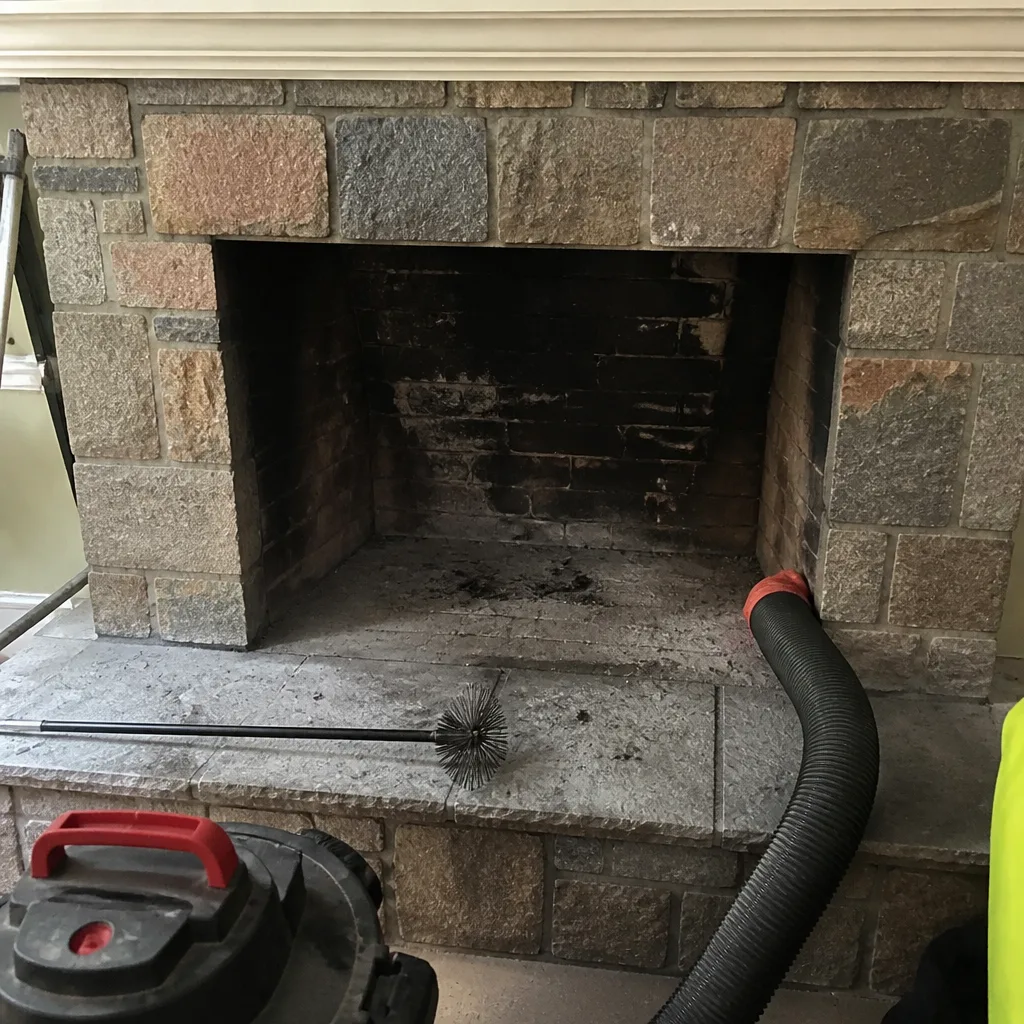 Before
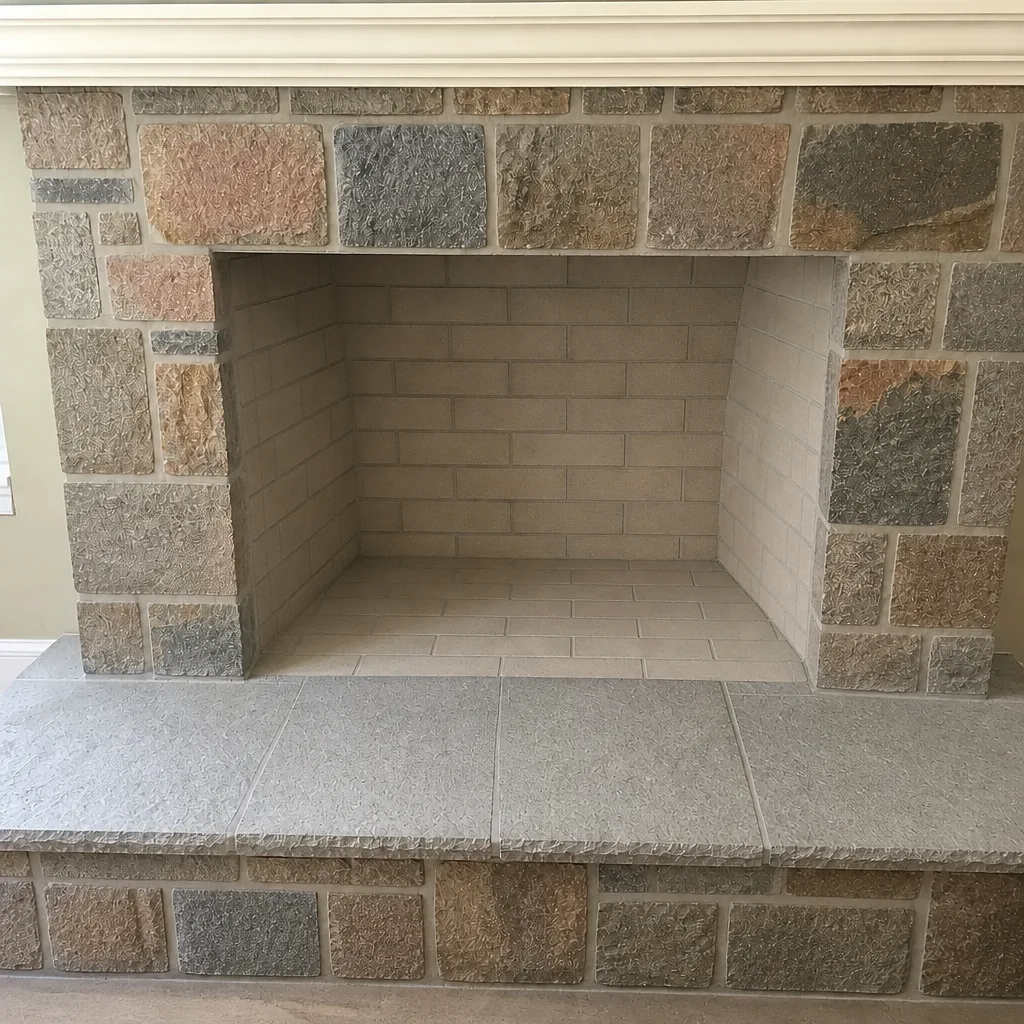 After
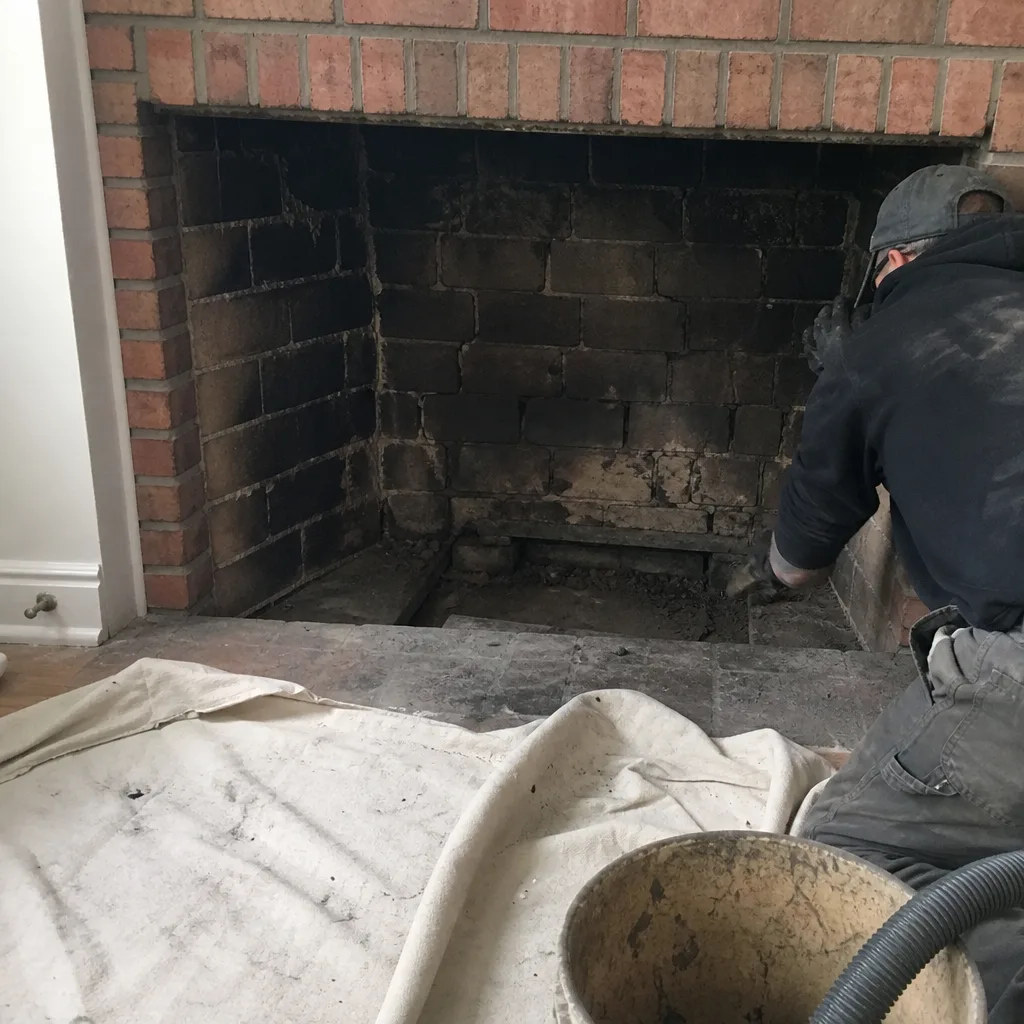 Before
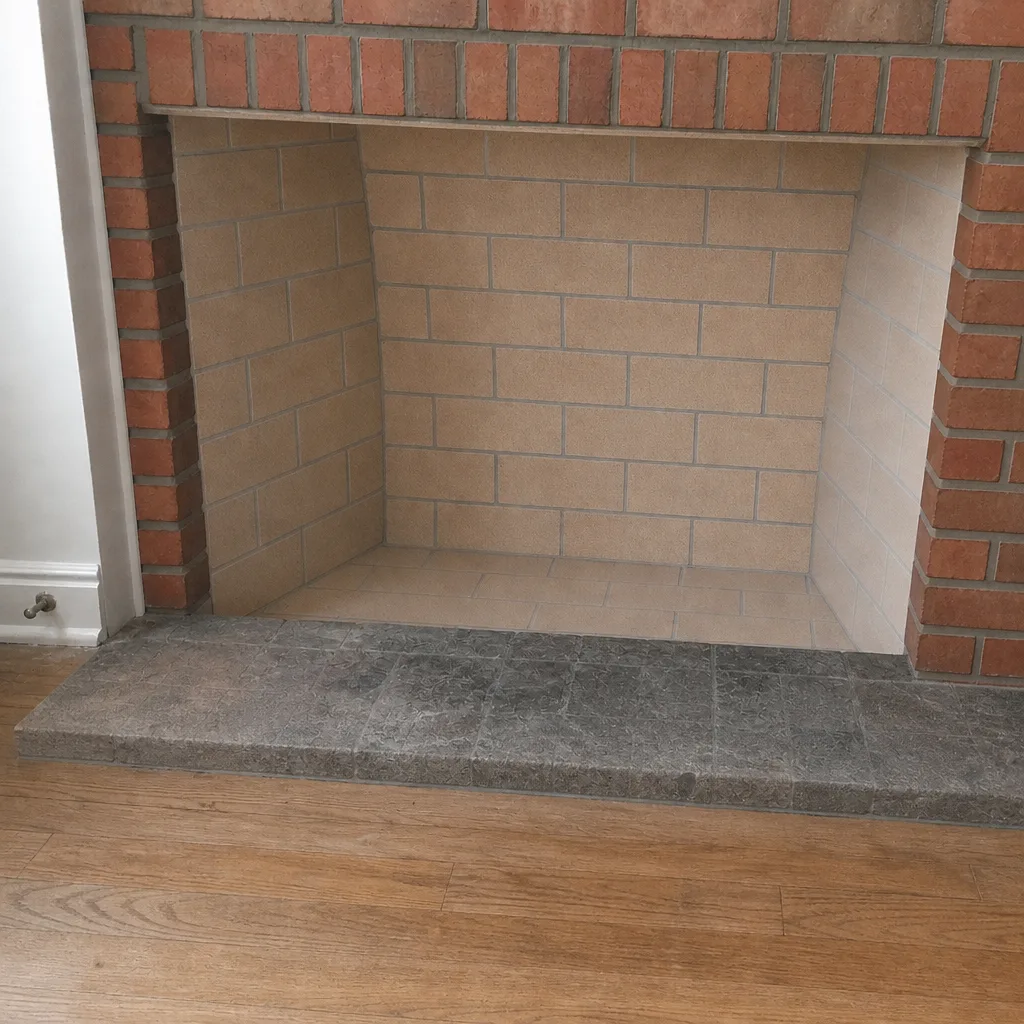 After
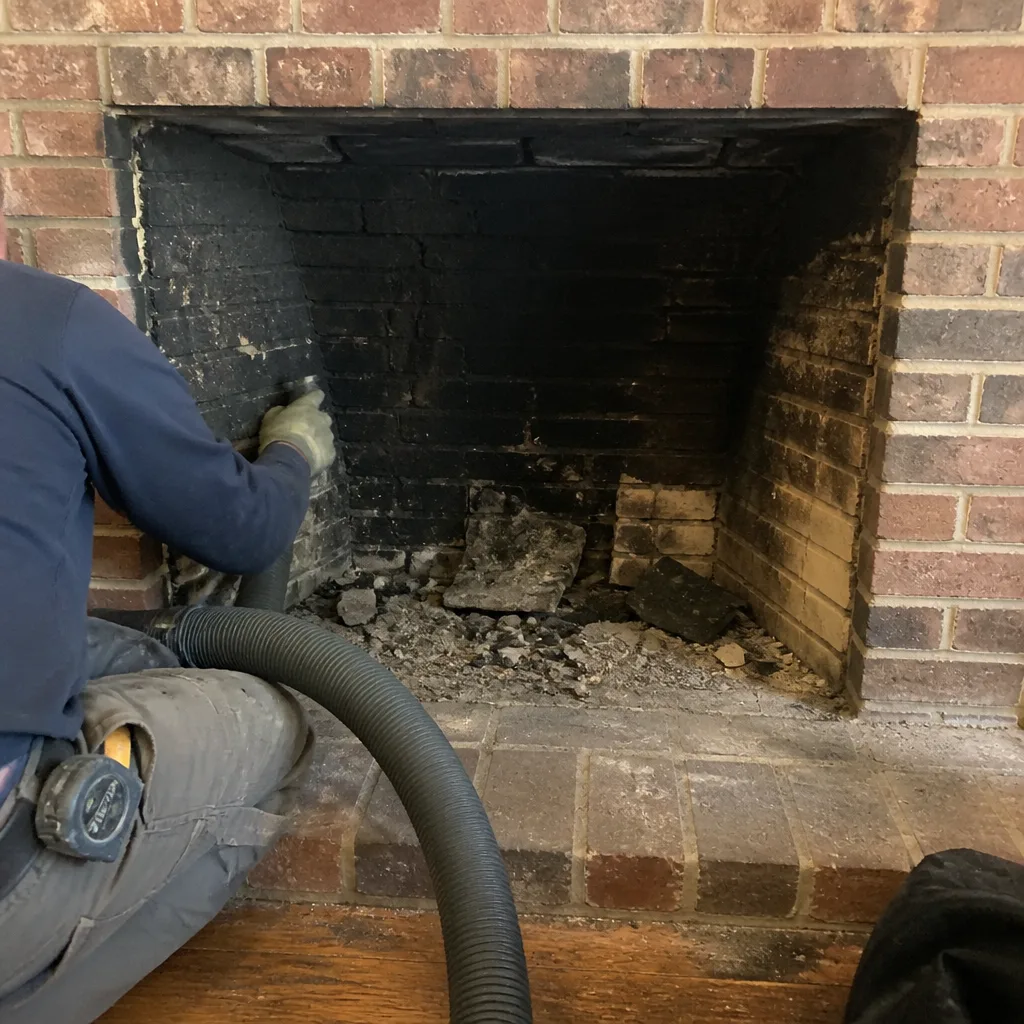 Before
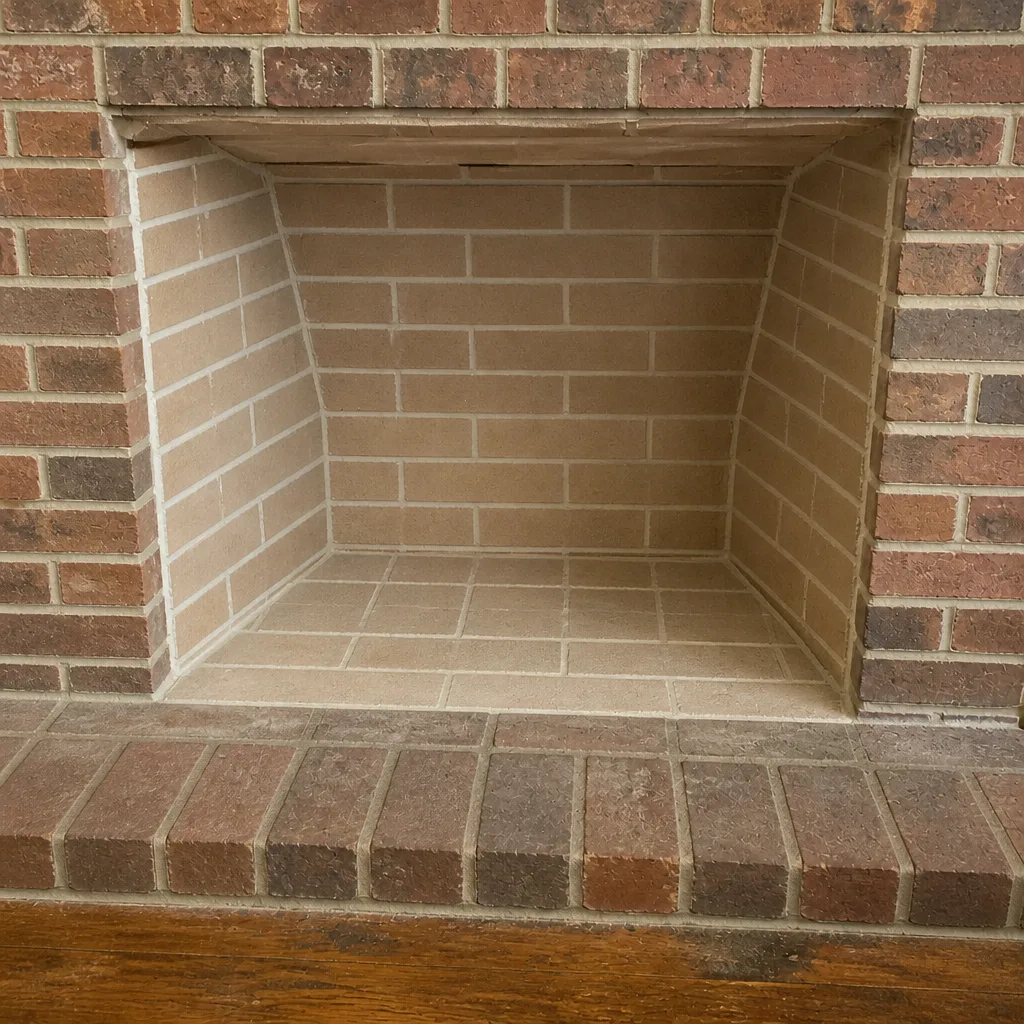 After
When to Call a Professional
Some situations are DIY-adjacent, and most aren’t. Call a professional if: you’ve had an active or suspected chimney fire; a CO alarm has sounded and the building has been cleared by the fire department; you’ve had a significant backdraft that didn’t clear on its own; your chimney cap or crown is missing, loose, or visibly damaged; you’ve moved into a home in Elmhurst and don’t have a maintenance record for the chimney; or it’s been more than a year since the last inspection or sweep. If you’re in an attached building with a shared flue, get both units checked. Elmhurst Chimney Sweep offers free estimates in Elmhurst – call (844) 871-3169. We answer 24/7. Fast dispatch from 7am to 7pm, Sunday through Friday. The written estimate comes first, and nothing is recommended that the inspection evidence doesn’t support – if the work can safely wait, we’ll tell you.
Frequently Asked Questions
Get everyone out of the house and call 911 from outside. Do not try to extinguish a chimney fire with water from inside the firebox – a sudden cool on hot masonry can crack the flue. Close the firebox doors on your way out if you can do so safely, and wait for the fire department to clear the building before re-entering.
Signs to look for include a strong creosote smell weeks after your last fire, cracked or flaking flue tiles visible at the top of the chimney, warped metal components like the damper or rain cap, discolored masonry, or puffy honeycomb-textured creosote at the flue opening. If you suspect a completed fire, stop using the chimney and get it inspected before lighting another burn. Call (844) 871-3169 for an inspection – estimates are free.
Yes. A carbon monoxide alarm that sounds while a fireplace or gas appliance is running means the venting system failed in some way, and that failure won’t fix itself. Even if the alarm was a single short chirp and never repeated, the flue should be examined before it’s used again. Call (844) 871-3169 to book an inspection – the diagnosis comes first, and the estimate is free.
Yes. In attached homes and row houses, one unit’s chimney fire can crack or compromise flue tiles in the adjacent unit, and a blocked flue next door can create pressure problems that affect your draft. If you’re in an attached building and your neighbor has had a chimney fire, get your own flue inspected before the next burn.
Once a year for most homes, ideally in the off-season or just before heating season starts. If you burn heavily through the winter, or if the chimney serves a gas appliance as well as a fireplace, get an annual sweep as well as an inspection. Regular maintenance is what prevents most of the emergencies this guide covers. Call (844) 871-3169 to get on a schedule – estimates are free.
Then it’s time. If you’ve moved into a home in Elmhurst and don’t have a maintenance record, treat the chimney as unknown until an inspection clears it. A thorough inspection is the only way to know whether the flue is sound, whether creosote has built up, and whether the cap and crown are intact. Call (844) 871-3169 for a free estimate on an inspection – the answer will tell you exactly what’s needed and what can wait.
The Bottom Line
Chimney emergencies are rarely dramatic, and the ones we get called for most in Elmhurst are the invisible ones – a blocked flue, a CO alarm at an hour when nobody wants to be awake, a backdraft that fills a room with smoke. The protocol that handles all three is simple: get out, call 911, and don’t relight the fire until a specialist has inspected the flue. Build your pre-season kit now, keep your detectors working, and don’t skip the annual inspection. Then find a specialist you trust for inspection, cleaning, repair, and crown work so you’re not scrambling to find one during a crisis. We answer 24/7 at (844) 871-3169. Fast dispatch from 7am to 7pm, Sunday through Friday. Start at the Elmhurst Chimney Sweep page if you’d like to see the full scope of what we handle before you call.
Written by the team at Elmhurst Chimney Sweep.